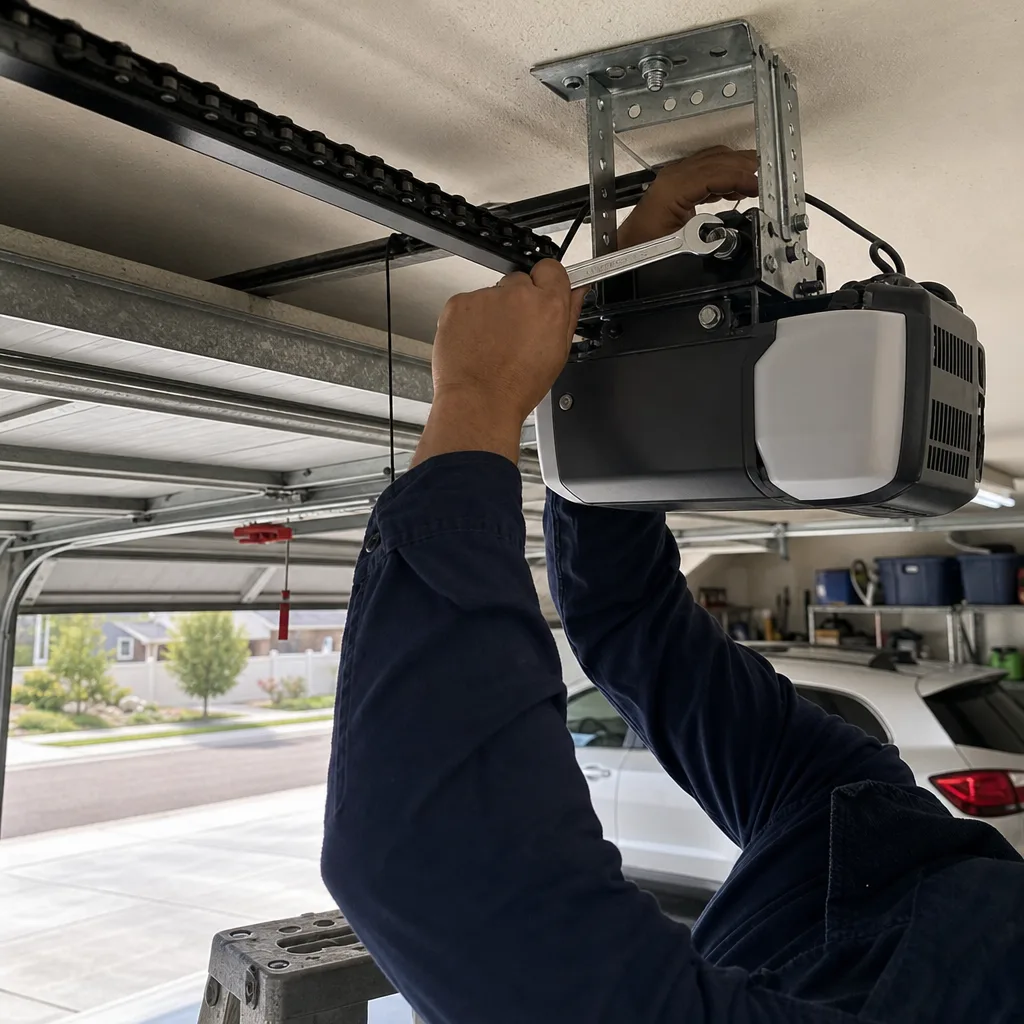
Last updated November 20, 2026
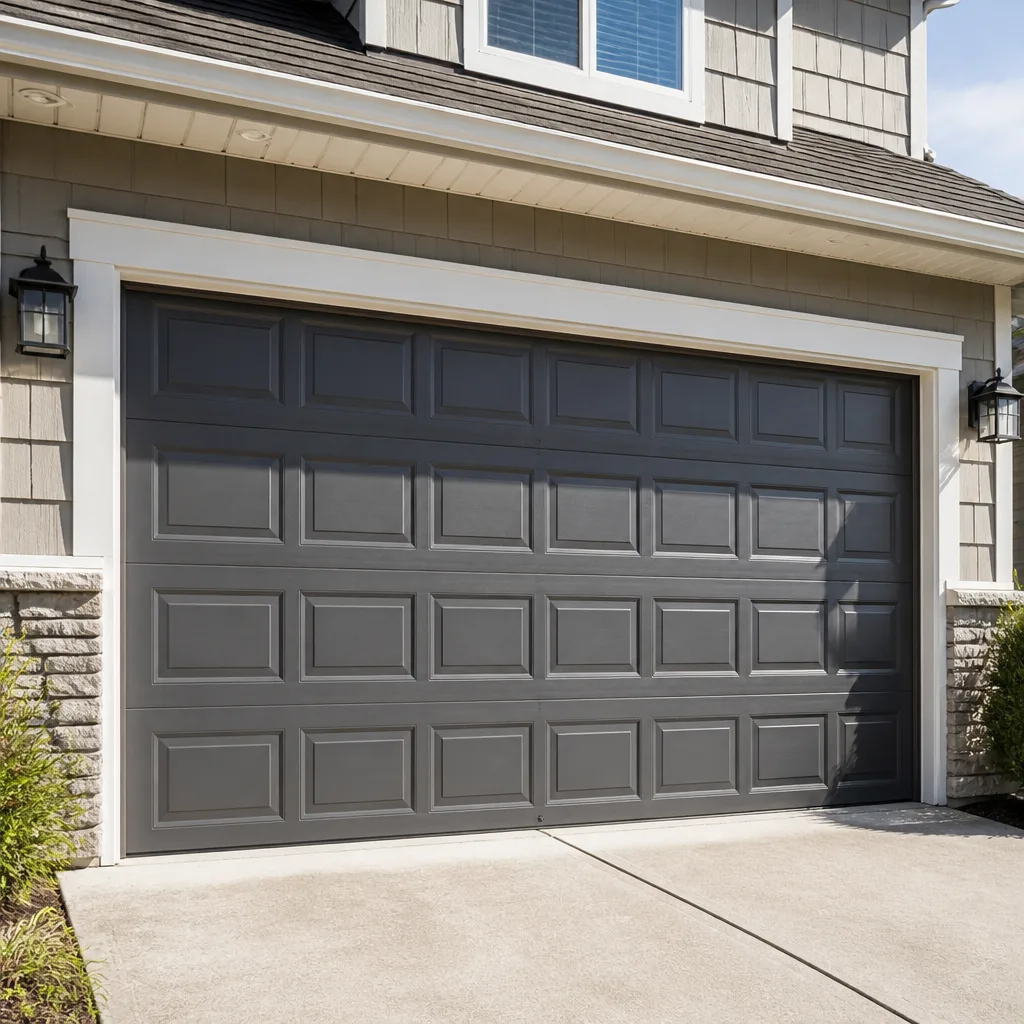 Raised-panel steel
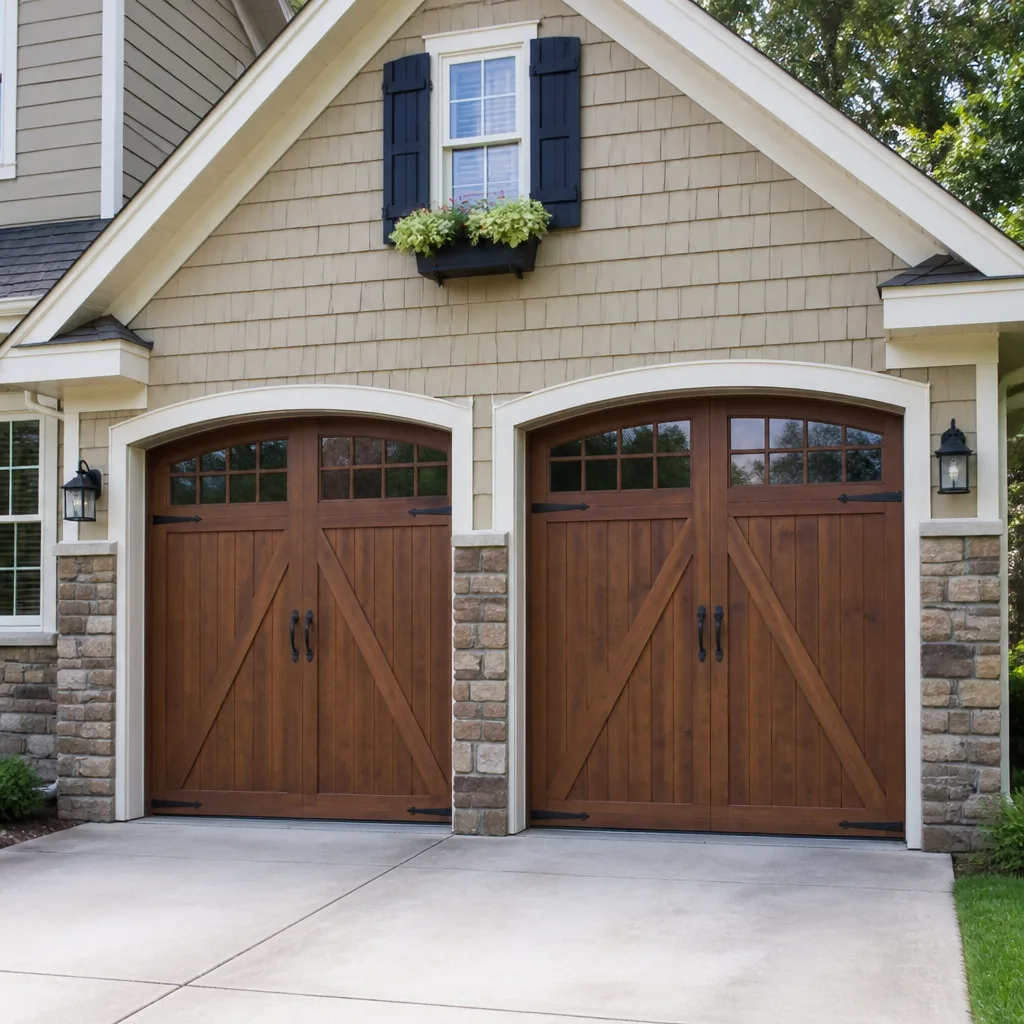 Carriage house
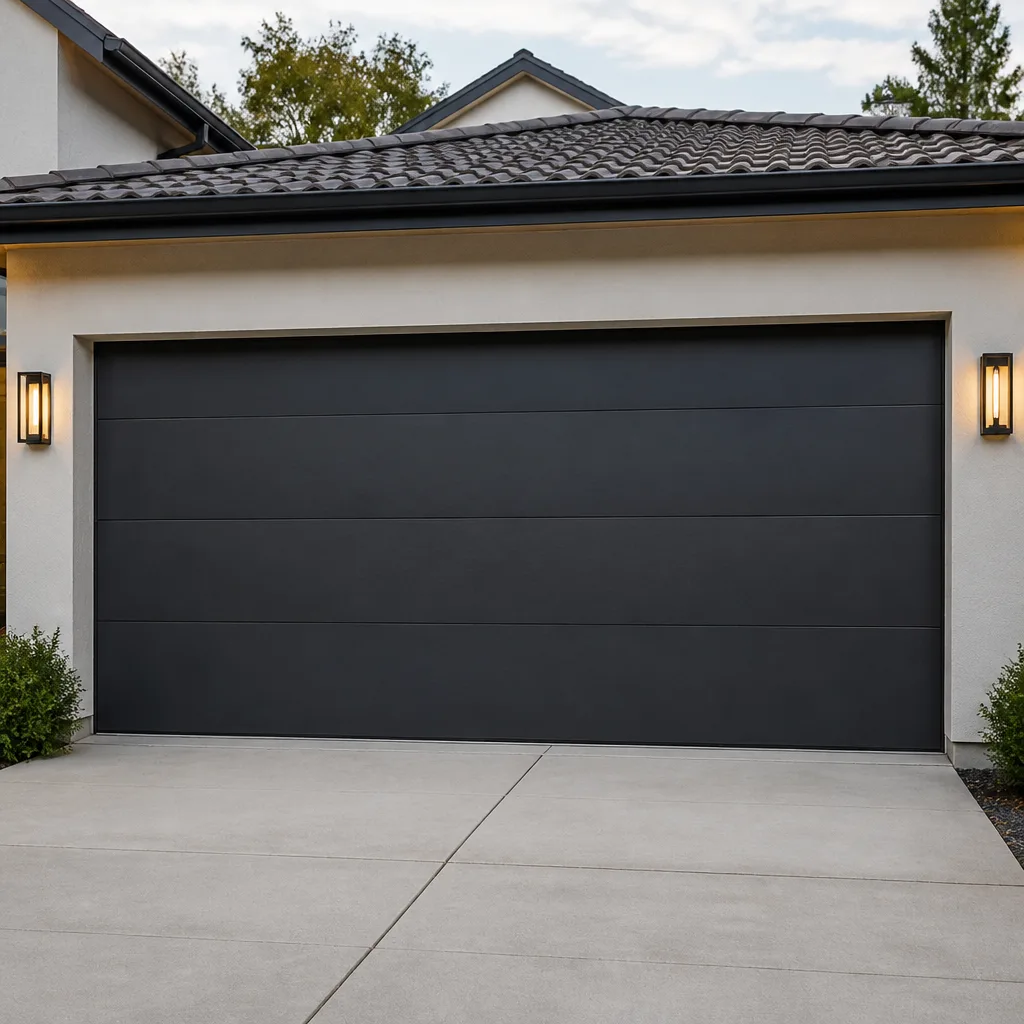 Modern flush
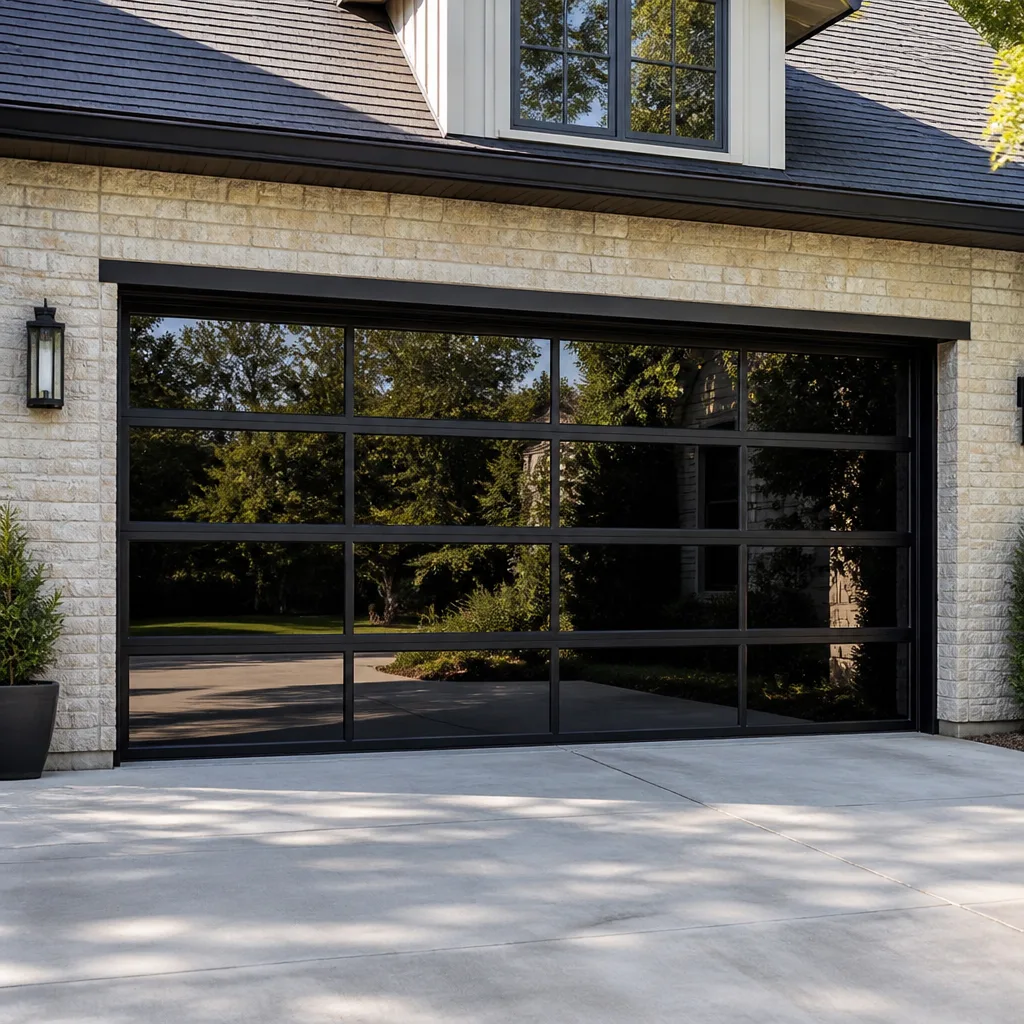 Full-view glass
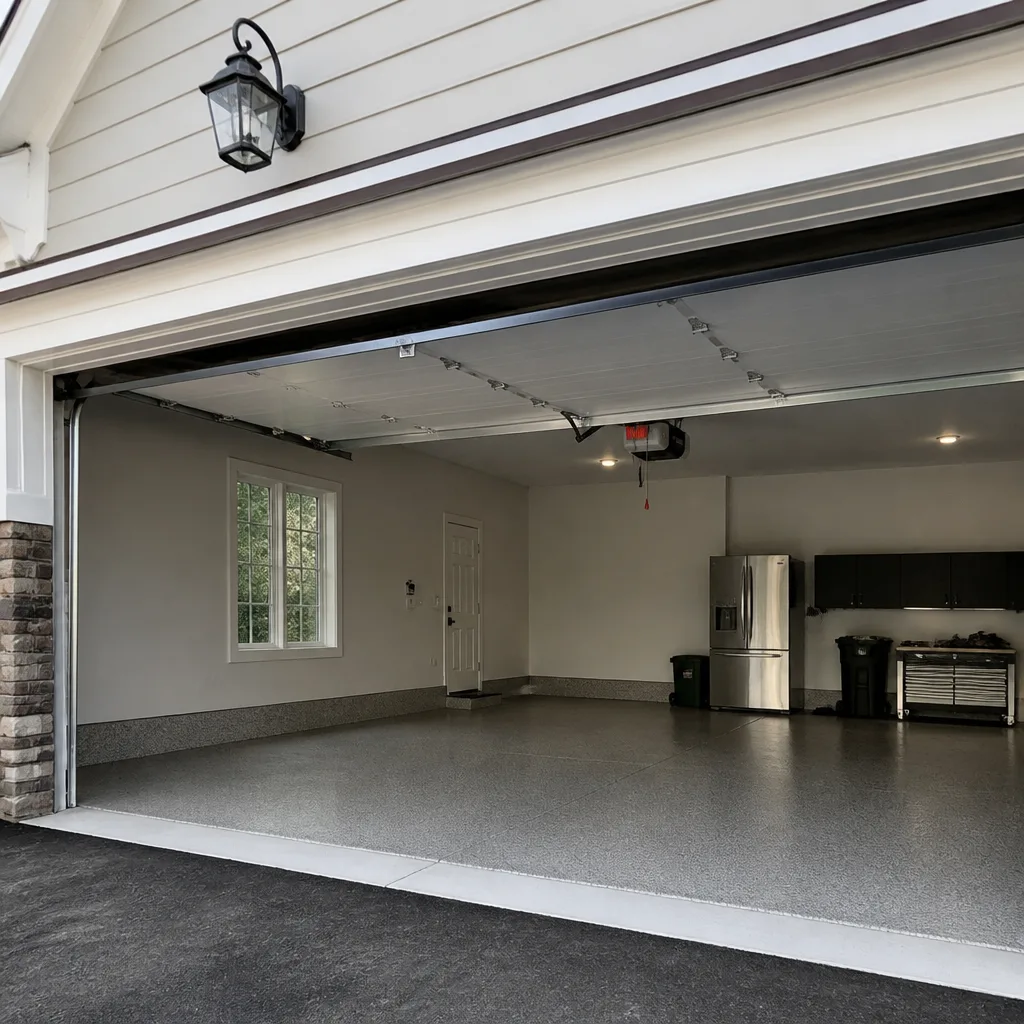 LiftMaster openers
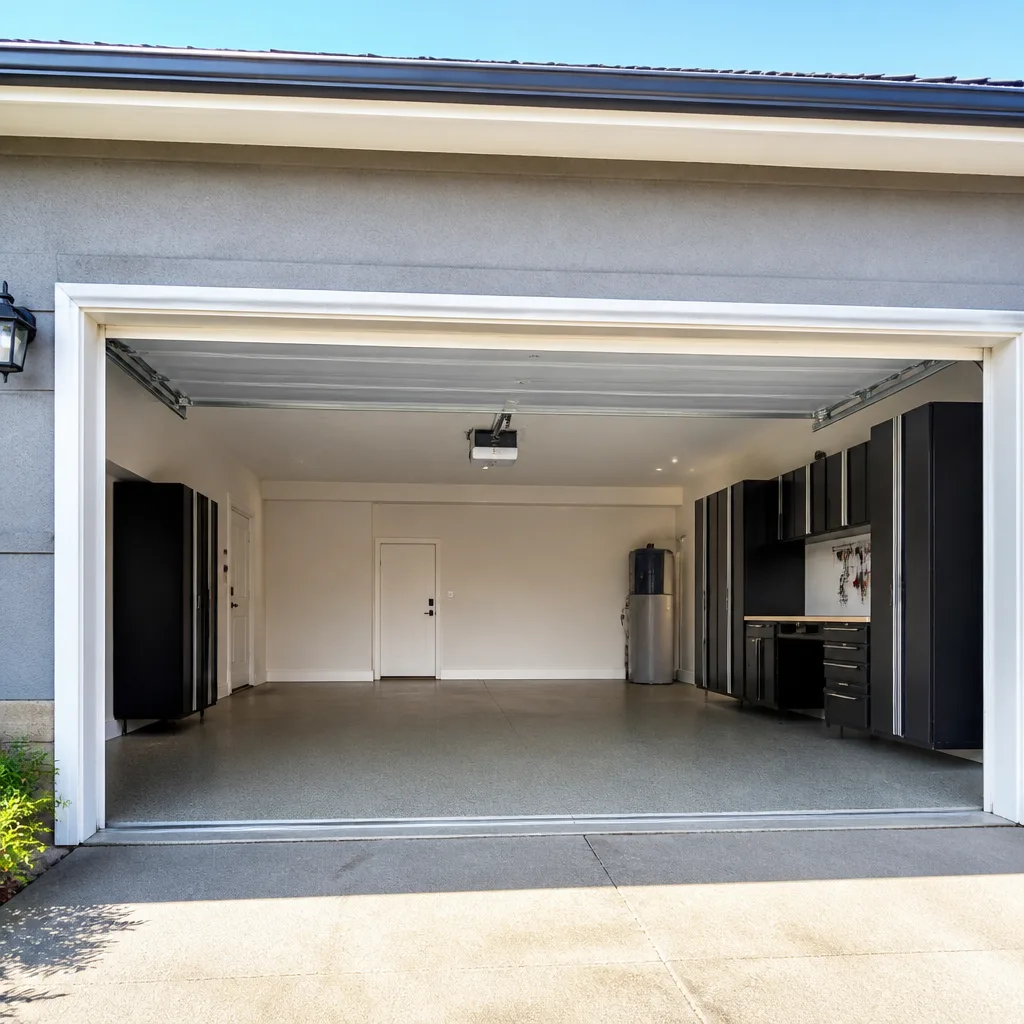 Chamberlain openers
Full 25-point door and opener safety check with every visit - springs, cables, rollers, tracks, and your LiftMaster or Chamberlain opener included
You get a price before we start. It does not change when the pro arrives.
Get your free estimateThe Complete Guide to Garage Doors in Murphy Creek
Most garage door guides are written for a suburb in Ohio. Murphy Creek sits at over 5,400 feet in Colorado’s freeze-thaw corridor, and that changes almost every decision you’ll make about your door. Springs behave differently up here. Lubricants thin out and thicken on a schedule you won’t read about in a manufacturer’s brochure. Builder-grade doors that went up in the newer tracts were never specced for this climate’s daily temperature swings. And the HOA rules that shape most Murphy Creek neighborhoods narrow your options in ways a generic buying guide won’t mention. This guide treats your garage door as a mechanical system shaped by local conditions, not a generic home feature. You’ll learn how altitude affects spring calibration, which materials actually matter at elevation, how to upgrade a door without tripping HOA requirements, and when a problem is worth a professional call.
Quick Answer
Garage doors in Murphy Creek need climate-specific attention: at over 5,400 feet, springs are calibrated for a different operating range, temperature swings wear lubricants faster, and builder-grade doors in newer tracts often underperform in insulation and hardware. The three priorities for local homeowners are spring calibration and safety, a lubricant schedule built for freeze-thaw weather, and replacement choices that meet HOA appearance rules while actually holding up at elevation.
Styles & brands we work with
- Raised-panel steel
- Carriage house
- Modern flush
- Full-view glass
- LiftMaster openers
- Chamberlain openers
Table of Contents
- How Altitude and Temperature Swings Affect Your Door in Murphy Creek
- Springs, Tension, and Why Calibration Matters at 5,400 Feet
- Lubricants and Maintenance Through Colorado’s Freeze-Thaw Cycle
- HOA Door Requirements in Murphy Creek and How to Stay Compliant
- Builder-Grade Doors vs. a Proper Replacement
- Steel Gauge, Insulation, and What Actually Matters at Elevation
- The Garage as a Primary Entry Point in Colorado Winters
- Brands and Systems: What We Work On
How Altitude and Temperature Swings Affect Your Door in Murphy Creek
Altitude itself doesn’t make a garage door heavier, but the climate that comes with it absolutely changes how the door behaves. Murphy Creek sees wide daily temperature swings and a freeze-thaw cycle that runs through much of the year. Metal expands and contracts. Lubricants change viscosity. Springs that were tensioned to a comfortable middle ground in a mild climate end up working against a much wider range of operating temperatures here.
What that means in practice:
- Springs cycle through a wider load range. A torsion spring carries the door’s weight through cold mornings and warm afternoons. The constant flexing shortens its service life compared to the same spring in a stable climate.
- Seals and weatherstripping age faster. Freeze-thaw cycles stiffen rubber and vinyl, and gaps open at the bottom and sides of the door.
- Hardware loosens more often. Bolts, hinges, and track brackets work themselves loose as the assembly expands and contracts day after day.
- Openers labor harder in cold snaps. A door that’s slightly out of balance is a minor annoyance in summer and a real strain on the opener motor on a cold morning.
In our experience, a Murphy Creek door that gets an annual inspection and a fresh balance check lasts noticeably longer than one that’s ignored until something snaps. The climate doesn’t give you the luxury of deferring maintenance the way a milder region might.
Springs, Tension, and Why Calibration Matters at 5,400 Feet
Springs are the most important safety-critical part of your garage door, and at Murphy Creek’s altitude the calibration question deserves real attention. A torsion spring is wound to counterbalance the door’s weight. Get that tension right and the door feels light in your hand. Get it wrong and the door is either backbreaking to lift or slams down hard, and either way the opener and the door’s hardware are taking abuse every single cycle.
Temperature affects spring tension in a way that matters here. Steel springs lose some tension in cold weather and gain it back as things warm up. In a climate with serious day-to-night swings, a spring calibrated at room temperature can feel noticeably different on a January morning. A technician who works in this climate knows to account for that range rather than tuning for one set of conditions.
Why we treat spring work as its own specialty
Torsion and extension springs store an enormous amount of energy. A torsion spring under load can cause serious injury if it’s handled wrong, and this is exactly why many general handymen decline spring work altogether. We handle both torsion and extension systems as a core service, not a reluctant add-on. If a spring is broken, the honest answer is that it’s a job for someone who does it every day with the right winding bars and the right knowledge of the door’s weight and drum geometry.
A matched pair of springs is usually replaced together. Pricing for a single spring is one number; a pair runs about twice that, so budget accordingly when you’re planning the repair. If your door is stuck or you’ve heard the classic bang of a snapped spring, that’s a same-day repair call. Our garage door repair team handles spring replacement and can usually get out the same day.
Lubricants and Maintenance Through Colorado’s Freeze-Thaw Cycle
The single most overlooked maintenance item on a Murphy Creek garage door is lubrication, and the freeze-thaw cycle is the reason. Standard light oils and general-purpose sprays thin out in summer heat and gum up in the cold. What you want is a lubricant that stays put across a wide temperature range. A garage door technician working in this climate will use a product matched to that range, not whatever happens to be in a generic tune-up kit.
A maintenance routine that works here looks like this:
- Lubricate the springs, hinges, rollers, and bearing plates with a lubricant rated for wide temperature swings. Avoid heavy grease, which collects grit and stiffens in the cold.
- Check the balance of the door by disconnecting the opener and lifting the door halfway. It should stay put. If it drifts down or springs up, the springs need attention.
- Inspect the weather seal along the bottom and sides. Freeze-thaw cycles crack rubber and vinyl seals faster than in a stable climate.
- Tighten the track brackets and hinge bolts. Vibration and thermal expansion loosen them over the course of a season.
- Test the safety reverse. Put a roll of paper towels under the door and close it. The door should reverse on contact.
If any of these checks turn up something that looks off, especially anything involving the springs or the cables, stop and call a professional. Those components are under load and are not a DIY project.
HOA Door Requirements in Murphy Creek and How to Stay Compliant
Most Murphy Creek neighborhoods are governed by an HOA, and garage door appearance is one of the most common things those associations regulate. The rules exist to keep a consistent streetscape, but they can feel restrictive when you’re trying to upgrade. The good news is that compliance and a genuinely better door aren’t in conflict once you understand what the HOA is actually asking for.
Typical HOA door requirements you’ll run into include:
- Approved color palette. Most associations maintain a list of acceptable door colors, usually neutral whites, tans, browns, and grays. Some allow a specific accent color for a front-facing street.
- Panel style continuity. Raised-panel and carriage-house styles are common standards; some associations restrict modern flush or full-glass doors.
- No visible hardware changes without approval. Decorative hinges, handles, and window inserts often need sign-off.
- Material restrictions. Some associations specify steel or wood-look steel and don’t allow certain composites.
- Window limits. The number and placement of window panels is frequently regulated.
The practical approach is to check your HOA’s architectural guidelines before you buy, not after. Get written approval for the exact model and color, keep it on file, and then install. If you’re replacing a builder-grade door with something better, most HOAs will approve an upgrade that maintains the same general look. We can help you match a new door to what your association allows, and the written price is set before any work starts.
Builder-Grade Doors vs. a Proper Replacement
The newer construction tracts around Murphy Creek went up fast, and the doors on them reflect that. Builder-grade doors are chosen to hit a price point, and they typically show it in a few predictable places: thinner steel, lighter-gauge hardware, fewer or no reinforcement struts, and an opener sized to the minimum. None of that is dangerous, but it means the door you have is working harder than it needs to in a climate that already stresses it.
What a proper replacement looks like compared to a builder-grade door:
- Heavier-gauge steel panels that resist denting and hold their shape through thermal cycling.
- Reinforcement struts on the top and middle sections, which keep a wide door from bowing.
- Better insulation in the door itself, which keeps the garage warmer in winter and quieter in use.
- Upgraded rollers and hinges that last through more cycles and loosen less.
- A properly sized opener matched to the door’s actual weight rather than the builder’s minimum spec.
If your door is showing sagging panels, a growing gap at the bottom, or hardware that keeps loosening, you’re seeing the signs that a builder-grade door is at the end of its comfortable life. Our garage door installation service includes a free measure and a written price, so you’ll know exactly what you’re getting before you commit. That’s a scheduled project, not a same-day call, and that’s the right way to do it.
Steel Gauge, Insulation, and What Actually Matters at Elevation
Garage door marketing is full of numbers that sound important and aren’t. At Murphy Creek’s elevation, what actually matters comes down to a short list: steel gauge, insulation, seal quality, and hardware grade. The rest is mostly noise.
Here’s how to sort the useful specs from the marketing ones:
- Steel gauge matters more than thickness marketing. A 24-gauge door is measurably stiffer than a 27-gauge door, and in a climate with thermal cycling, that stiffness prevents sagging and denting. Don’t get distracted by “heavy-duty” claims without a gauge number.
- Insulation matters for comfort, not for energy savings claims. An insulated door makes the garage quieter and warmer in winter, which matters when the garage is your primary entry. Treat any energy-savings claim with skepticism; insulation reduces heat loss but doesn’t eliminate it.
- Seal quality matters more than any single spec. A well-sealed garage door with a good bottom seal and side weatherstripping keeps out snow, wind, and pests. In Murphy Creek’s freeze-thaw climate, the seals are the first thing to check.
- Hardware grade is the quiet hero. Nylon rollers and heavy-duty hinges last far longer than the stamped hardware that comes on builder doors.
We work with Clopay and Amarr doors, among others, and can walk you through the actual specs rather than the ones that just sound impressive. If a spec sheet doesn’t list the gauge, ask. If a seller won’t tell you the seal type, that’s a sign to move on.
The Garage as a Primary Entry Point in Colorado Winters
If you’re like most Murphy Creek homeowners, your garage is the door you actually use. You park in it, bring in groceries through it, haul kids and gear through it, and once the snow flies, you’re in and out of it several times a day. That changes what maintenance actually matters: it’s not about the door looking good from the street, it’s about the door working reliably every single day in the cold.
Priorities shift when the garage is your primary entry:
- The safety reverse and auto-reverse must be working. You’re moving in and out with kids and pets. Test it monthly.
- The bottom seal has to be intact. A torn or stiff bottom seal lets in snow, cold air, and meltwater that freezes into the track.
- The opener should be sized for the door’s weight. A tired opener working against a slightly out-of-balance door will fail when you need it most.
- The track needs to stay clear. Ice build-up in the track is a common winter problem; keep the track dry and treat it with a lubricant rated for cold weather.
- The springs need to be holding tension. A spring that’s lost tension is the number one reason doors stop working all at once in cold weather.
If your door won’t close, reverses immediately, or sounds wrong on a cold morning, that’s a repair call, not a wait-and-see. Our garage door opener repair team handles opener issues and emergency cold-weather repairs with same-day service. It’s faster to fix a struggling opener now than to replace a burned-out one later.
Brands and Systems: What We Work On
One of the practical advantages of using a garage door specialist is that we know the specific systems in your home, not just “garage doors in general.” The way a Chamberlain opener behaves and the way a legacy Genie unit behaves are different diagnostic problems. A Clopay door is a different animal from an Amarr door in the way the hardware and panels fit together. Our technicians have up to 11 years of experience across the brands that show up most often in Murphy Creek homes, including LiftMaster, Chamberlain, Genie, Clopay, Amarr, Wayne Dalton, Craftsman, and Raynor.
Why brand-specific knowledge matters in practice:
- Openers have model families with specific quirks. A LiftMaster myQ unit and a Chamberlain myQ unit are related but not identical, and the fix differs.
- Doors have panel and hinge patterns that affect how a repair is executed. Knowing the door family saves time and mistakes.
- Parts need to match. Getting a generic part in a specific door is how repeat repairs happen.
If you need parts, we can help you source the right OEM-compatible components for your specific door or opener. That’s a service in itself, and it’s often the difference between a door that gets fixed once and one that gets fixed repeatedly. If you’re not sure what brand you have, check the sticker inside the opener housing or the label on the door’s hinge side. That label is your starting point for the right part.
Common Mistakes to Avoid
- Ignoring a broken spring because the door still opens partway. A door with a broken spring is dangerously out of balance and can come down suddenly. Stop using the door until a professional can look at it.
- Using the same lubricant year-round without checking the temperature rating. In Murphy Creek’s climate, a lubricant that works in summer can stiffen and gum up in winter. Check the rating before you buy.
- Installing a new door without checking HOA guidelines first. Most Murphy Creek associations have written rules on color, style, and material. Get approval in writing before you buy, not after the door is on order.
- Assuming the builder-grade door is “fine because it works.” A door can be working and still be the wrong spec for this climate. Sagging panels and gaps at the bottom are signs your door is due for an upgrade.
- Skipping the monthly safety reverse test. It takes 30 seconds and it’s the most important safety check on the whole system.
- Hiring a general handyman for spring work. Springs store enormous energy and are the wrong job for someone who doesn’t do them regularly. This is the one repair where the specialist matters most.
- Waiting for the opener to fail before replacing a struggling door. A door that’s out of balance stresses the opener every cycle. Fix the door and the opener lasts.
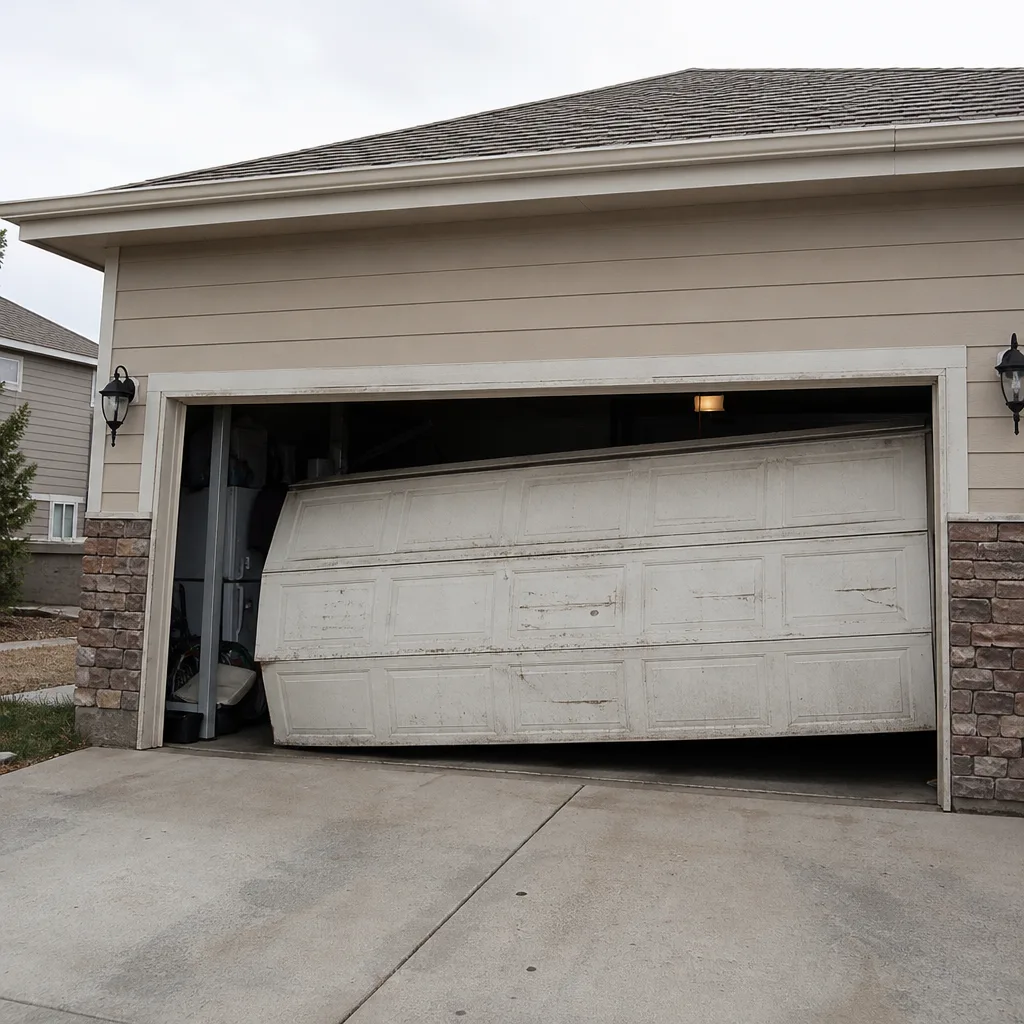
See the difference
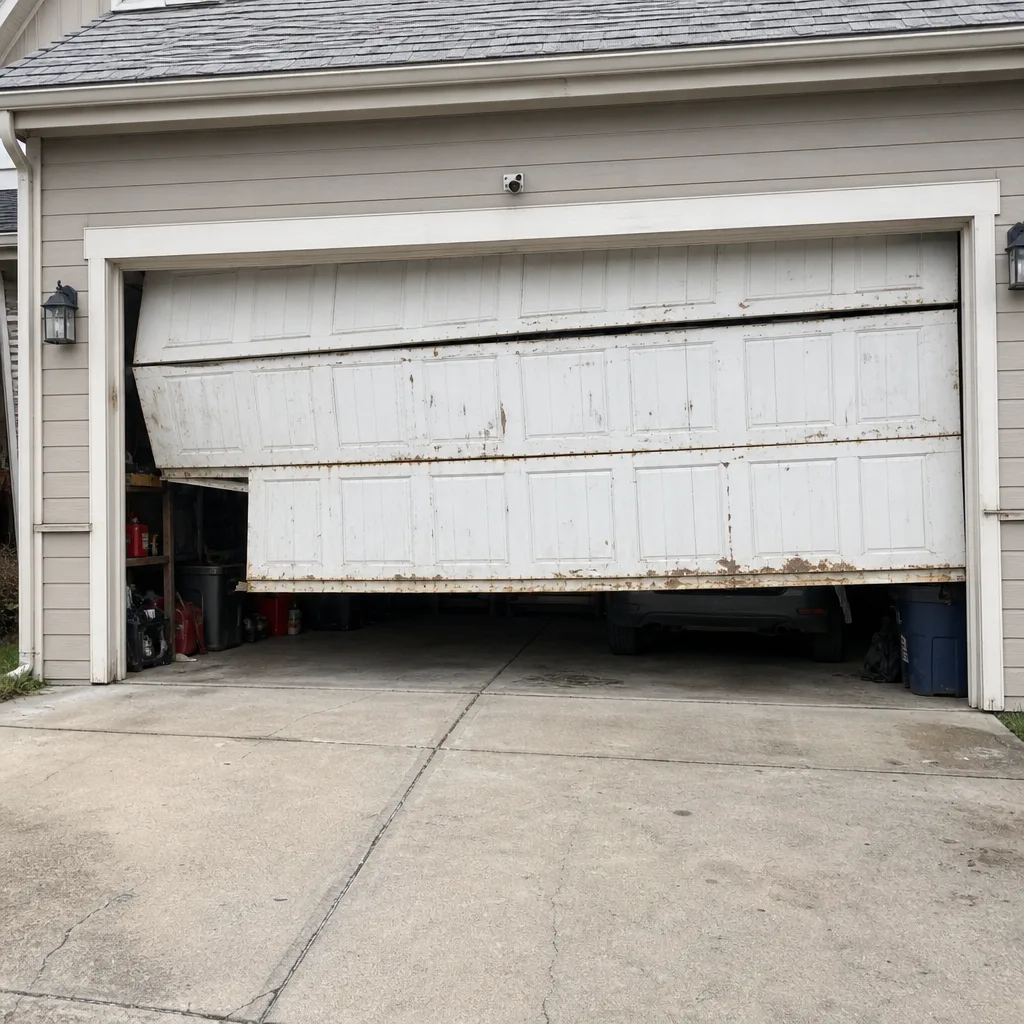 Before
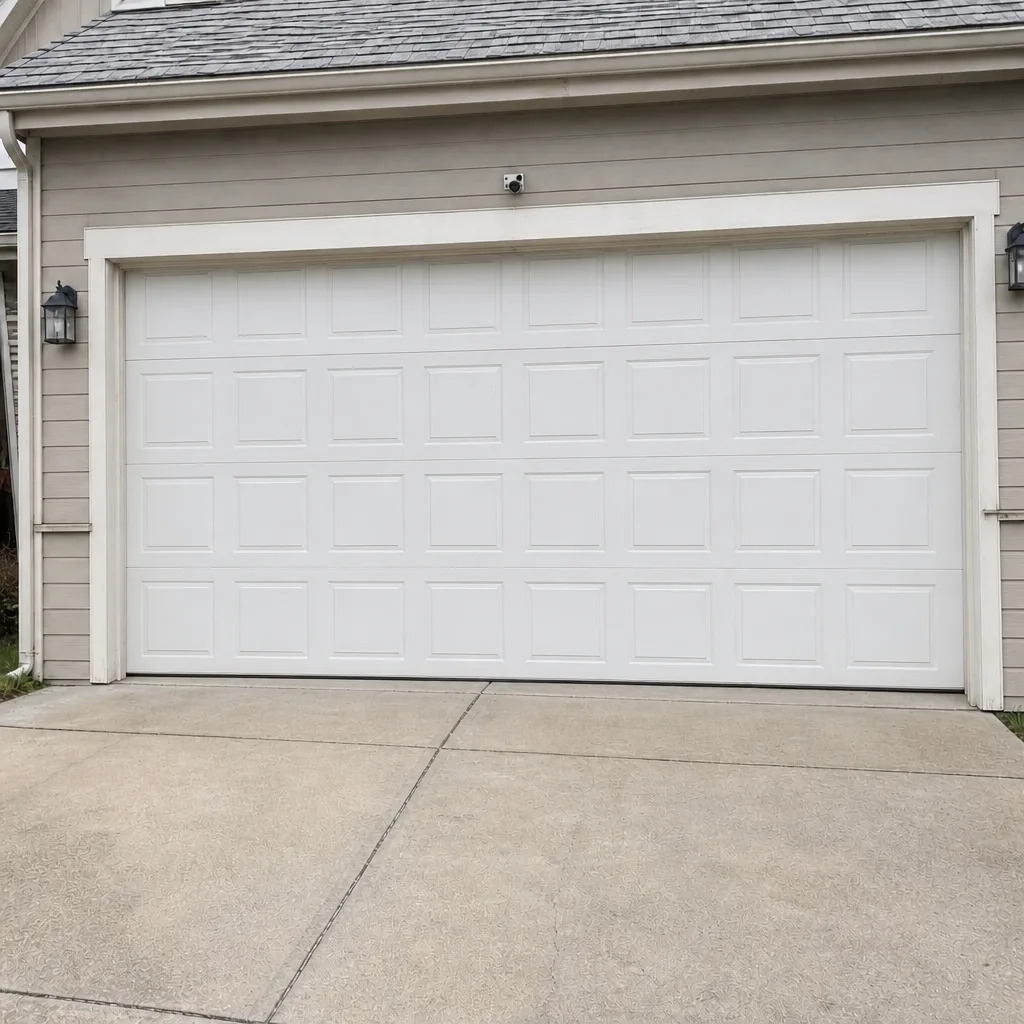 After
 Before
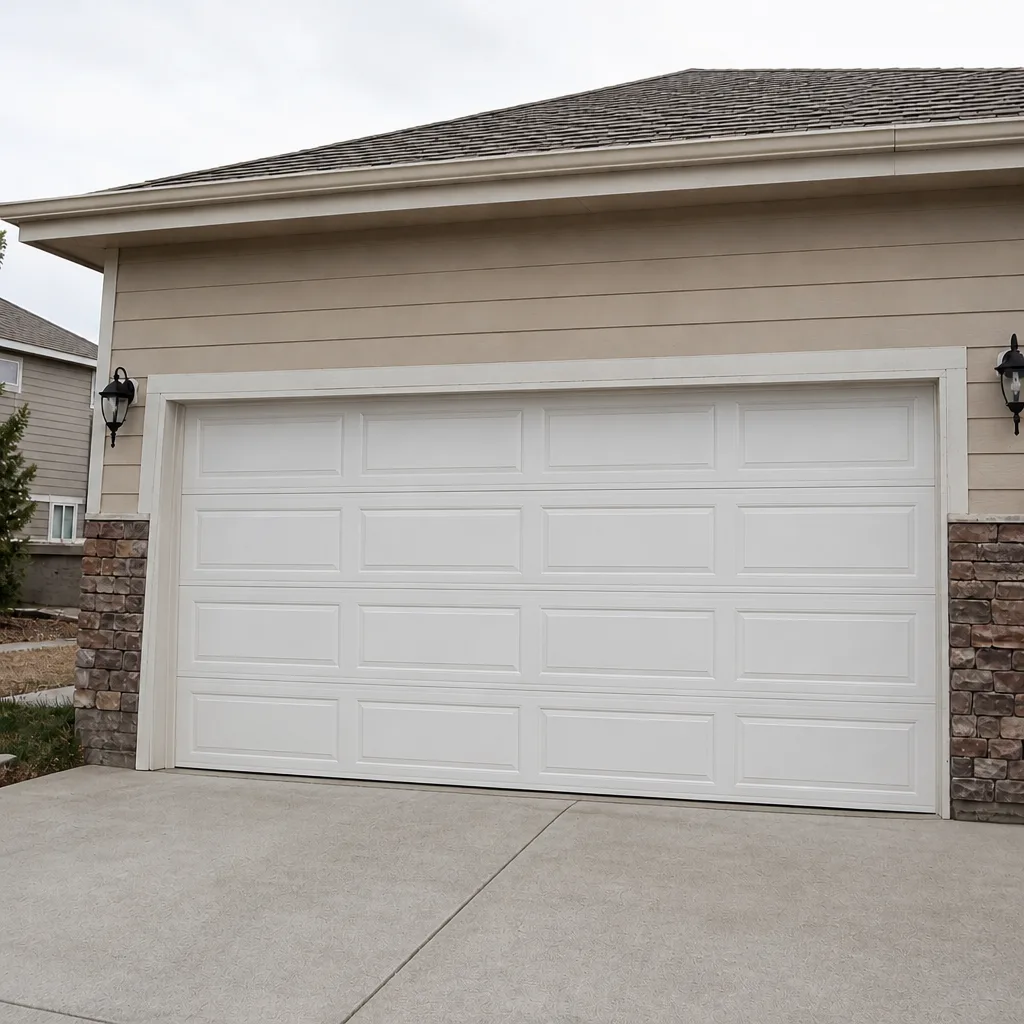 After
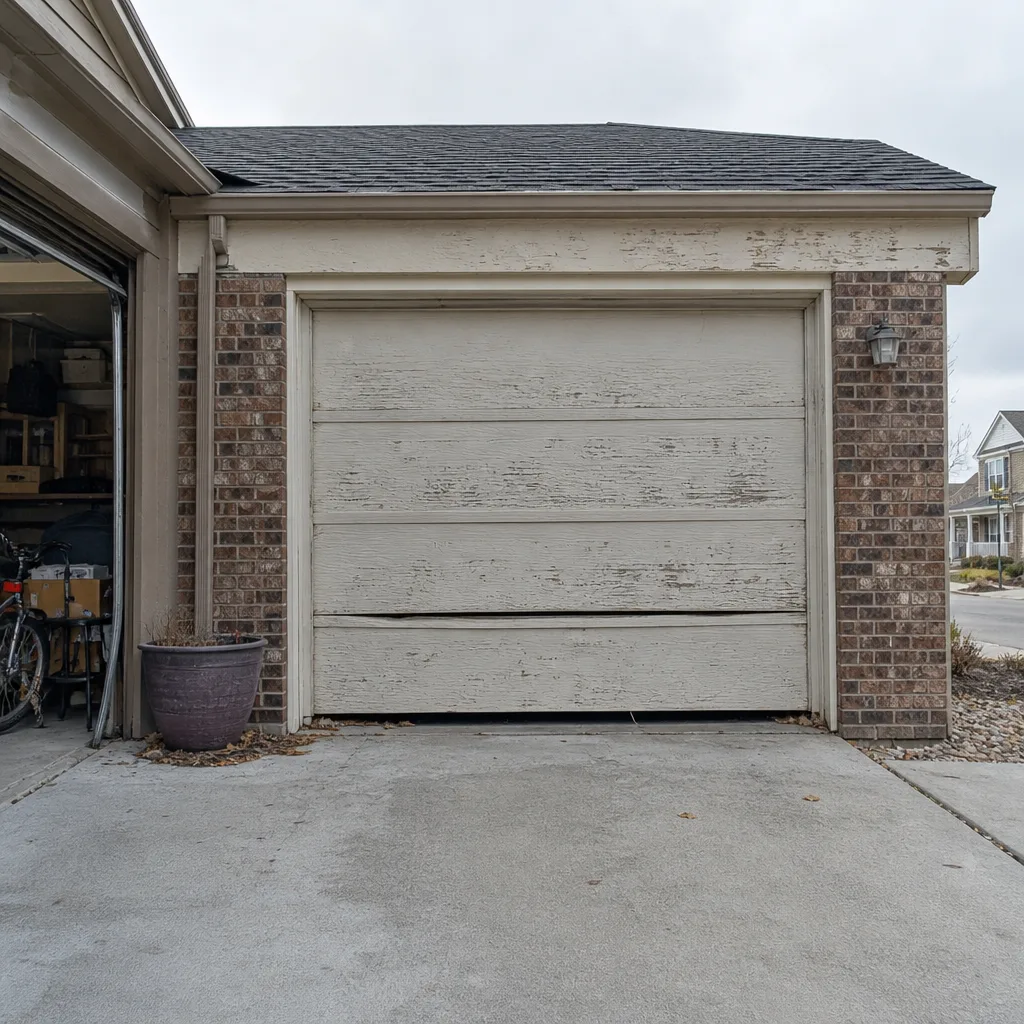 Before
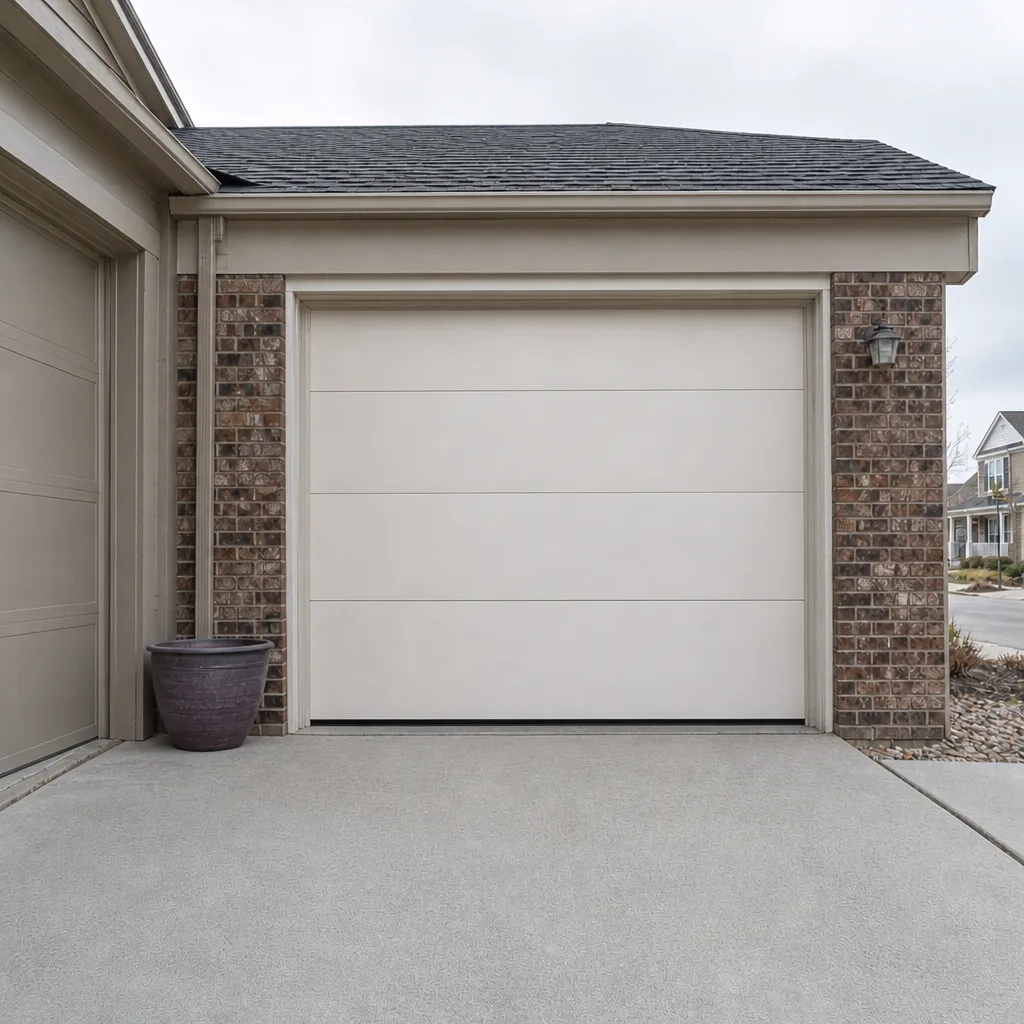 After
When to Call a Professional
Some garage door problems are safe to work through on your own: a noisy roller, a sticky weather seal, a remote that needs a new battery. Others are in a different category entirely. Call a professional if you hear the bang of a snapped spring, if the door comes down hard or won’t stay up, if the cables look frayed or slack, if the door is off its tracks, or if the opener reverses for no reason. These are safety issues, and the door shouldn’t be used until a trained technician has checked it. We connect you with independent local professionals who handle spring and opener work as their core trade, with fast dispatch from 7am to 7pm. Garage Door Repair Murphy Creek offers free estimates in Murphy Creek. Call (855) 658-4235.
Frequently Asked Questions
Most garage door repairs in Murphy Creek fall in a broad range depending on what’s broken. A spring replacement is typically one of the more common repairs, and a matched pair of springs runs about twice the price of a single spring. Opener repairs and hardware fixes generally cost less. The written estimate you get before any work starts sets the final price, so you’ll know exactly what you’re paying before a technician touches anything. Call (855) 658-4235 for an exact quote; estimates are free.
We aim for same-day service on repair calls in Murphy Creek, and we dispatch from 7am to 7pm. Spring replacements and stuck doors are the most urgent calls, so those go first. Call (855) 658-4235 and we’ll tell you what’s available.
Springs in Murphy Creek live through a much wider temperature range than springs in a mild climate. Freeze-thaw cycles and day-to-night swings put the spring through more flexing across a wider load range, which shortens its service life. A spring that lasts a decade in a stable climate can wear out noticeably faster here. That’s why an annual inspection and balance check matters more than it would elsewhere.
Most Murphy Creek neighborhoods have HOA rules that cover garage door color, panel style, hardware, and sometimes material. Check your association’s architectural guidelines before you buy a replacement, and get written approval for the exact model and color. Upgrading to a better door is usually fine; changing the look without approval is what causes problems.
No. We quote the job before work begins, and the written price sets the final price. If we discover something that changes the scope, like a damaged track or a worn opener, we’ll tell you before we do the additional work, so you can decide. Nothing is charged beyond the agreed price without your approval.
Yes. The local professionals we connect you with are licensed and insured as their state requires. Our technicians have up to 11 years of experience and work on all eight of the major brands we service, including LiftMaster, Chamberlain, Genie, Clopay, Amarr, Wayne Dalton, Craftsman, and Raynor. Call (855) 658-4235 for a free estimate.
The Bottom Line
A garage door in Murphy Creek is working against a climate that many doors and springs weren’t really designed for. The altitude itself isn’t the problem; the freeze-thaw cycle and wide temperature swings are what shape how fast your springs wear, how quickly your lubricant breaks down, and how much punishment your door hardware takes over a season. The practical takeaways: treat your springs as a safety issue, not a repair, and get them inspected and balanced regularly. Use a lubricant matched to the temperature range. Check your HOA rules before you replace the door. And when you do replace it, look at real specs like steel gauge and seal quality, not the marketing numbers. If something’s wrong with the door, especially the springs or the opener, don’t wait. We’re here to help at (855) 658-4235, and we’ll get the door working right the first time.
Written by the team at Garage Door Repair Murphy Creek.