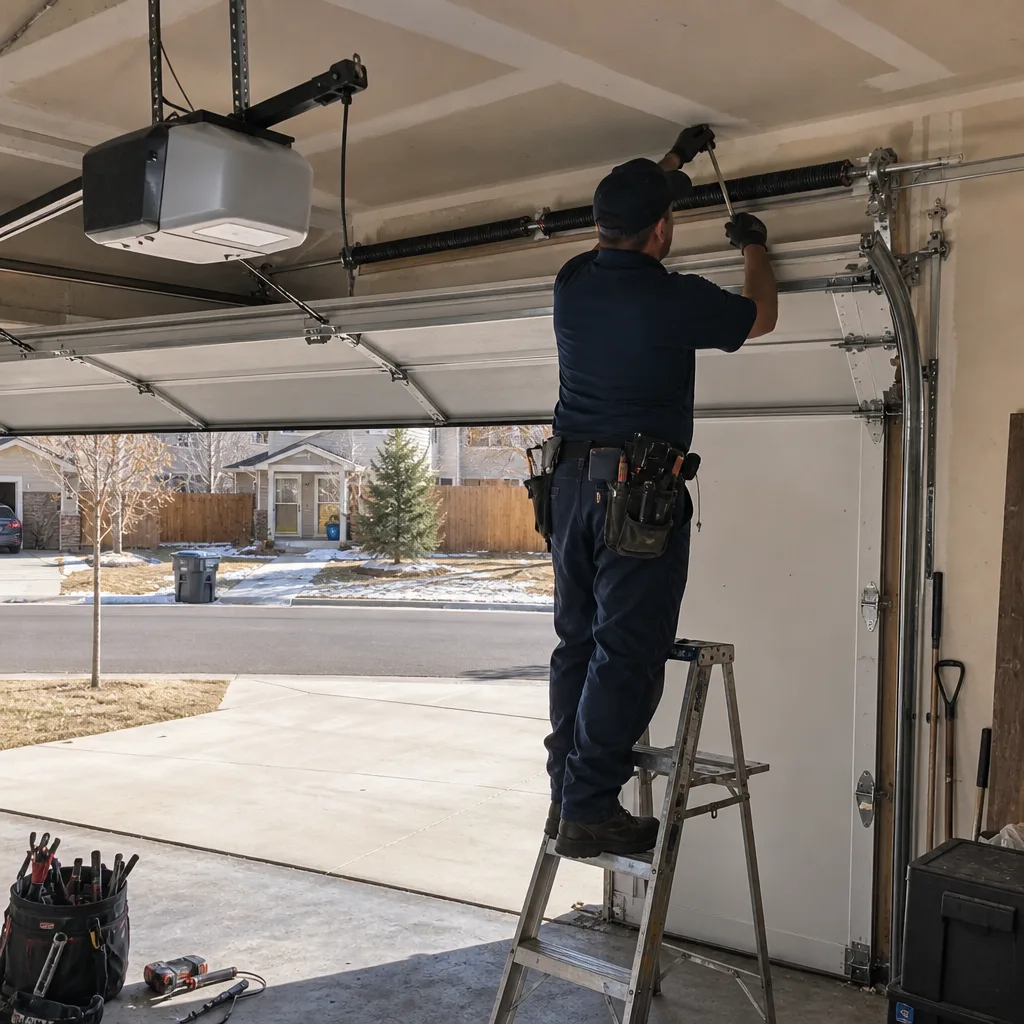
Last updated November 20, 2026
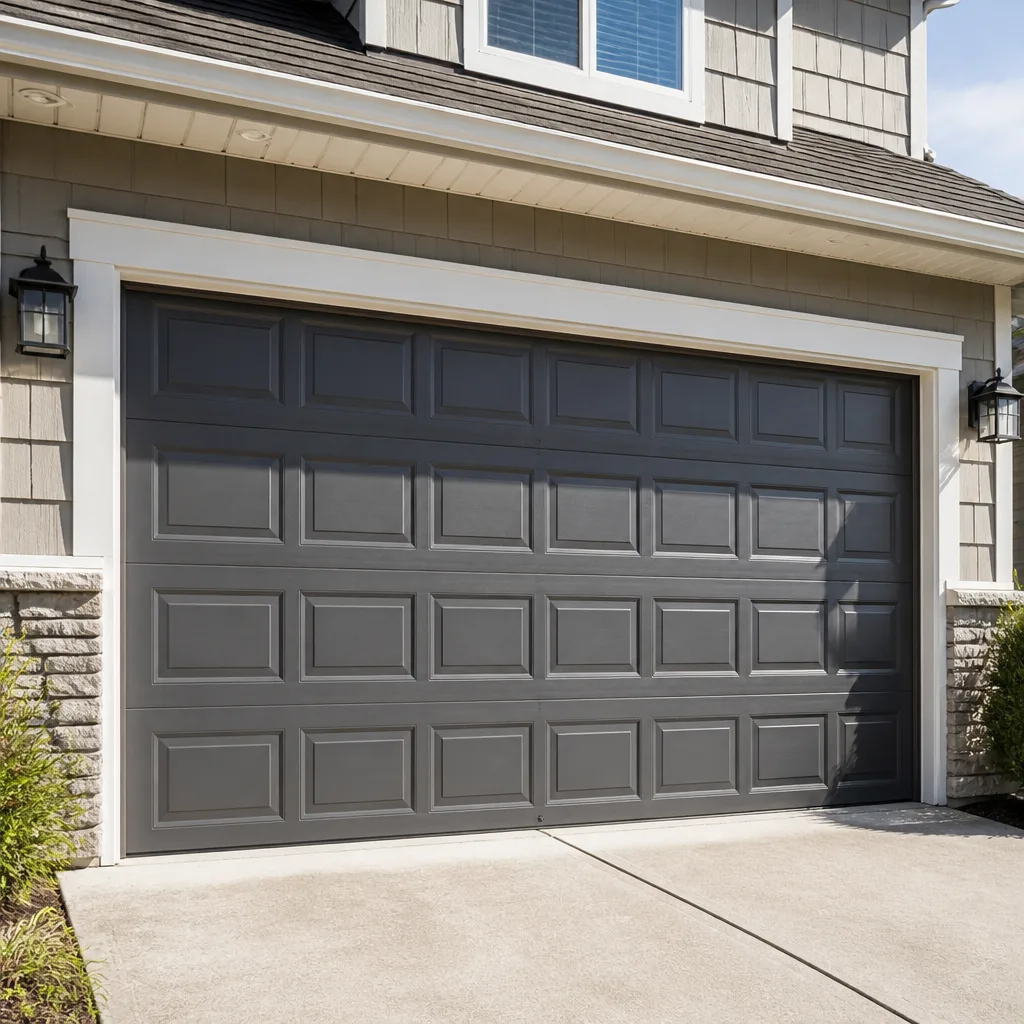 Raised-panel steel
 Carriage house
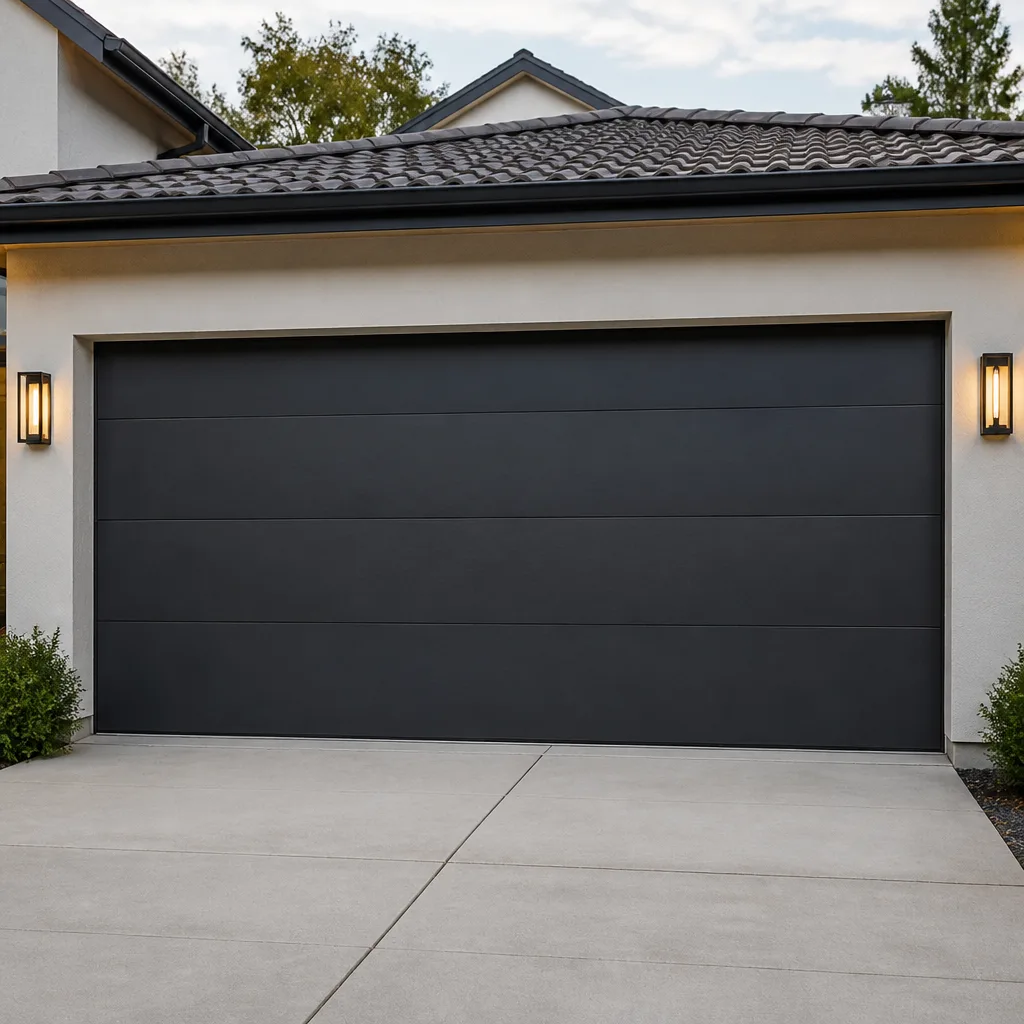 Modern flush
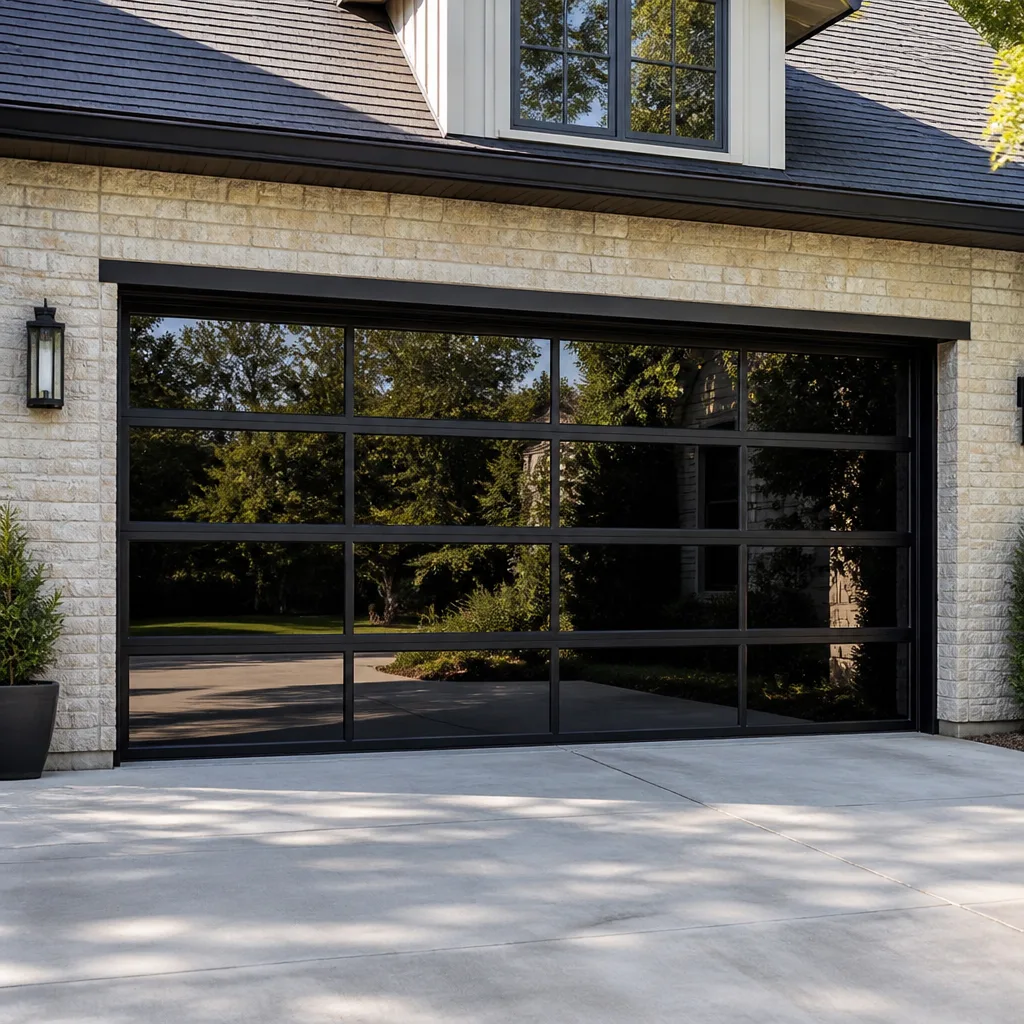 Full-view glass
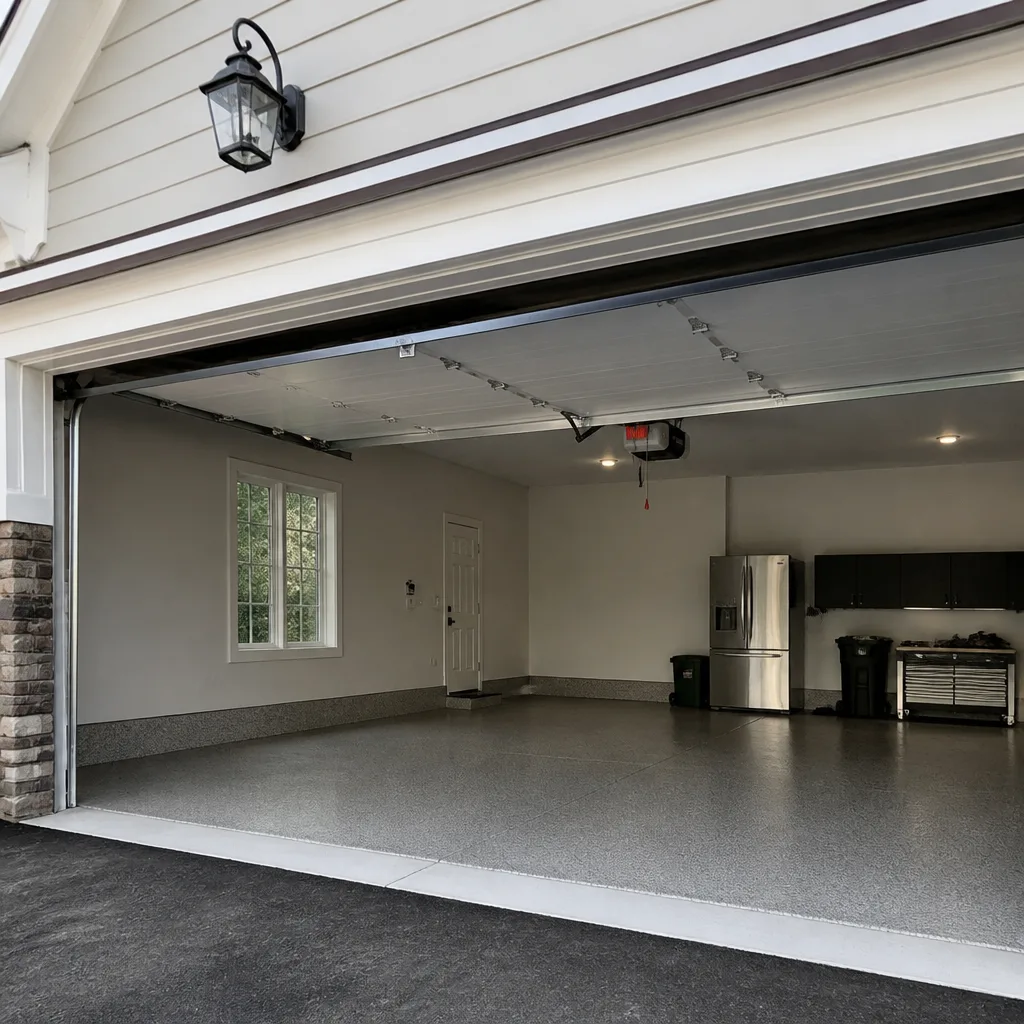 LiftMaster openers
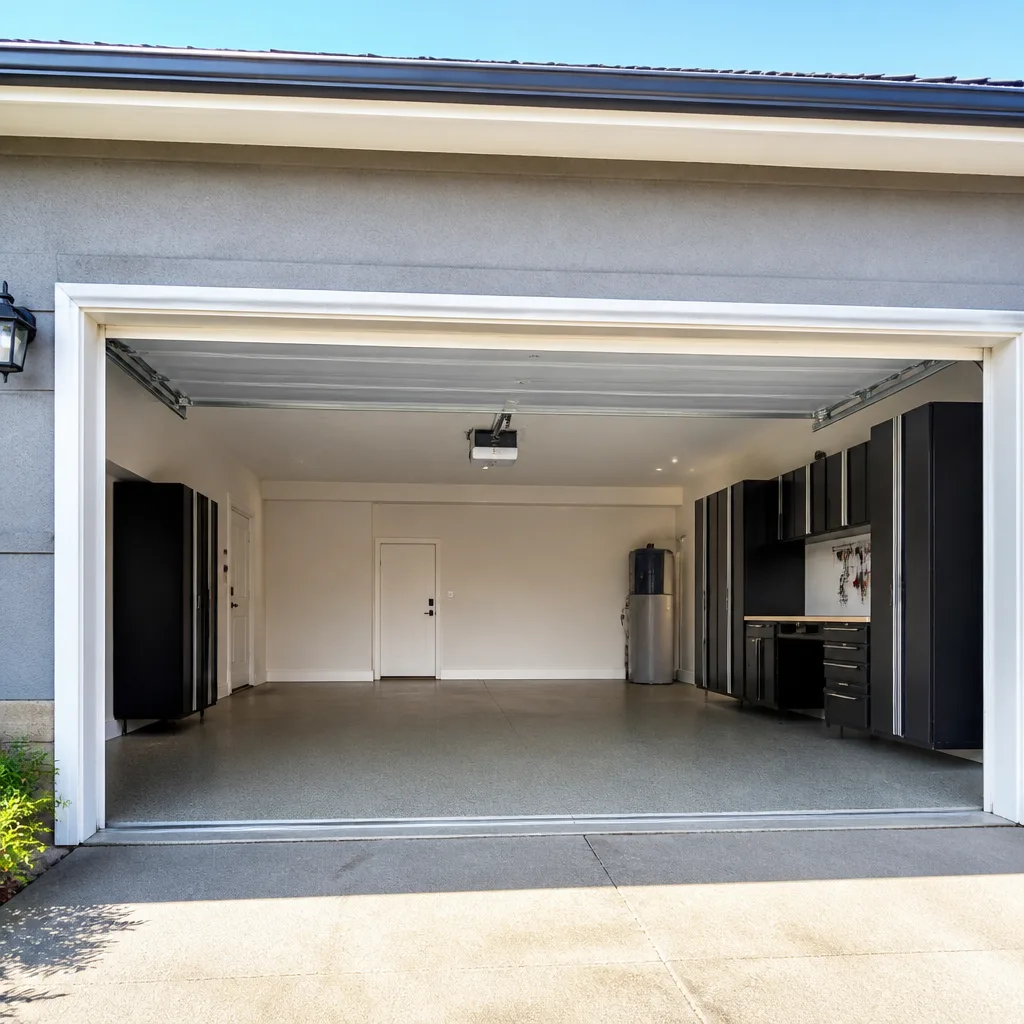 Chamberlain openers
Full 25-point door and opener safety check with every visit - springs, cables, rollers, tracks, and your LiftMaster or Chamberlain opener included
You get a price before we start. It does not change when the pro arrives.
Get your free estimateDIY vs Professional Garage Door: The Murphy Creek Homeowner’s Decision Guide
Most DIY-versus-pro guides draw the line at skill. That’s the wrong line. The real dividing line on a garage door is stored mechanical energy: which tasks involve tension you can’t see and can’t safely release, and which ones are just housekeeping. Weatherstripping is housekeeping. A torsion spring is 150 – 200 pounds of stored tension waiting for one wrong turn, and no amount of confidence changes the physics. This guide sorts the jobs into two honest piles for Murphy Creek homeowners, prices out both paths, and shows you where DIY maintenance actually helps and where it quietly costs you.
Quick Answer
You can safely handle weatherstripping, lubrication, photo-eye alignment, and light track adjustments yourself. You should not touch torsion or extension springs, lift cables, bottom brackets, or opener wiring – those carry stored tension or line voltage and belong to a trained technician. Everything in between comes down to the specific part on your door and whether the fix needs calibration a homeowner can’t measure.
Styles & brands we work with
- Raised-panel steel
- Carriage house
- Modern flush
- Full-view glass
- LiftMaster openers
- Chamberlain openers
Table of Contents
- The DIY-vs-Pro Line Nobody Draws Correctly
- What’s Genuinely Safe to Do Yourself
- Why Springs Are a Non-Negotiable Pro Job in Murphy Creek
- DIY vs Professional Cost: The Full Comparison
- How to Do DIY Maintenance Without Creating New Problems
- The One DIY Mistake That Voids Most Warranties
- Common Mistakes to Avoid
- When to Call a Professional
The DIY-vs-Pro Line Nobody Draws Correctly
Search “DIY garage door repair” and you’ll find two useless camps. One says never touch anything; the other hands you a spring-winding tutorial with a two-by-four and a prayer. Neither respects how a garage door actually works. The system is a balancing act between door weight and spring tension, and every task falls into one of three categories: tasks that don’t affect that balance, tasks that adjust it slightly, and tasks that release it violently.
We work on garage doors every day, and the pattern is clear. Homeowners get into trouble when they treat the whole door as one skill level. They’ll do a perfect job on a bottom seal and then, feeling capable, decide the spring “can’t be that hard.” That’s the leap that causes injuries.
Here’s the honest sorting:
- Safe for most homeowners: weatherstripping and bottom seals, lubrication, photo-eye alignment, cleaning tracks and rollers, tightening visible hardware.
- Depends on the door: minor track adjustments, roller swaps, remote and keypad programming, replacing a wall-mounted push button.
- Professional only: torsion and extension springs, lift cables, bottom brackets, drum and cable work, opener wiring at the motor or panel, and anything structural.
The middle category is where most Murphy Creek homeowners should pause and ask questions rather than guess. A roller that sits slightly wrong or a track that’s out of plumb can bend panels over time. Cheap to fix now, expensive later. When you’re unsure which pile a job belongs in, garage door repair questions are worth a phone call before you pick up a tool – the answer often tells you the job is smaller than you feared, or bigger than you hoped.
What’s Genuinely Safe to Do Yourself
Plenty of routine garage door work is homeowner-appropriate. It’s low-tension, low-voltage, and forgiving of a small mistake. This is the work that keeps the door quiet and the seals tight between professional visits.
Weatherstripping and bottom seals. The rubber seal along the bottom of the door takes the worst of Colorado’s temperature swings. A worn seal lets in cold air, dust, and the occasional field mouse. Replacing a bottom seal is a straightforward project with a $30 part, and swapping the perimeter weatherstrip around the frame is just as manageable. Neither job touches the spring system or the balance of the door.
Lubrication. A few minutes with a garage-door-rated lubricant on hinges, rollers, and the torsion bar bearings keeps the door quieter and reduces wear. Skip anything labeled as a general-purpose spray; a proper garage door lubricant stays put instead of attracting grit.
Photo-eye alignment. If the door closes partway and reverses, nine times out of ten the safety sensors near the floor are misaligned or blocked. Straightening them so the indicator lights glow steady is a safe and quick fix. Just don’t bypass or tape over a sensor – that’s a safety system, not an annoyance.
Light track adjustments. A tap or two on a slightly off track with a rubber mallet, after loosening the bracket bolts, is reasonable for minor misalignment. If a track is bent, crushed, or pulled away from the frame, stop. That’s a professional job and often a sign of a deeper issue.
Remote and keypad programming. Pairing a new remote or keypad on a LiftMaster or Chamberlain opener is a push-button process. We cover this in detail on our opener pages, but no tools or ladders are required.
Why Springs Are a Non-Negotiable Pro Job in Murphy Creek
Garage door springs operate under 150 – 200 pounds of stored tension. That’s not a scare tactic – it’s the working load an average door carries, and it’s enough to send a winding cone or a chunk of spring across the garage at dangerous speed if the tension releases unexpectedly. A torsion spring failure during DIY replacement is not a “whoops” moment. It’s an injury waiting to happen.
The spring systems most common in Murphy Creek’s housing stock are torsion springs mounted on a bar above the door, plus extension springs on some older and lighter doors. Both carry stored energy. Both require specialized winding bars, an understanding of how many turns the door needs for its weight, and the experience to recognize when a spring is fatigued rather than just tight.
Here’s what’s actually involved in a torsion spring job, so you understand why the professional line exists:
- The door is fully closed and the opener is disconnected so no automated force is involved.
- The spring tension is released in controlled increments with the correct bars, keeping hands clear of the winding cone.
- Both springs are usually replaced as a matched pair, since a fatigued spring next to a fresh one will fail first.
- The new springs are wound to the correct number of turns for the door’s specific weight and track system.
- The door is run through a full open-and-close cycle and the balance is checked by hand to confirm it holds at mid-travel.
- The opener is reconnected and the travel limits and force settings are re-tested.
Steps 2 and 4 are where DIY goes wrong. A spring wound too few turns leaves the door heavy and the opener overloaded. One wound too many adds dangerous stored energy. Neither failure feels obvious until the door slams or the spring snaps. We treat spring repair as its own specialty for exactly this reason – a snapped spring, a worn cable, or a door that won’t balance is a job for someone who does it every week, not once.
If your door is unbalanced, sluggish, or making a loud bang when it opens, that’s a spring or cable issue. Call a professional before you run the door again.
DIY vs Professional Cost: The Full Comparison
The price comparison most homeowners make is “part cost versus service cost.” That’s the wrong math, because it ignores tools and the probability of a callback. Here’s the realistic side-by-side.
- Bottom seal replacement (DIY): roughly $30 in parts, an hour of your time, basic hand tools. Pro: a service call plus the part.
- Photo-eye alignment (DIY): free. Pro: minor, often folded into a larger visit.
- Lubrication (DIY): one can of proper lubricant. Pro: not usually a standalone trip.
- Torsion spring replacement (DIY attempt): parts plus the cost of winding bars, plus significant injury risk. Pro: quoted per spring, and a matched pair usually replaces both.
- Cable replacement (DIY): not advisable. Pro: quoted per cable, often done alongside a spring job.
- Opener wiring (DIY): line voltage at the motor end. Pro: diagnosed by brand – LiftMaster, Chamberlain, Genie, and Clopay doors and openers each have their own logic.
The hidden cost of DIY on anything above the safe list is the callback. If the calibration is off, you don’t find out until the door is misbehaving weeks later, and by then you’ve paid for parts twice. A pro visits once with the right diagnosis, fits the correct part, and tests the system before leaving.
If you want the full picture of what a professional job costs on your specific door, garage door installation and repair estimates in Murphy Creek come free, with the price set in writing before work starts. That’s the number worth comparing against your DIY time and tools – not a parts catalog.
How to Do DIY Maintenance Without Creating New Problems
Good DIY maintenance extends the time between professional repairs. Bad DIY maintenance causes the next repair. The difference is in what you touch and how often.
Here’s a simple monthly-and-seasonal routine that keeps a door healthy without stressing the system:
- Listen. Walk out while the door runs. Squeaks, grinding, or a rhythmic thump are early warnings, not background noise.
- Lubricate correctly. A few drops on hinges and rollers, a light coat on the torsion bearings, once or twice a year. More is not better – excess attracts grit.
- Check the balance. With the opener disconnected, lift the door to halfway and let go. A balanced door holds. One that drifts down is telling you the springs are tired.
- Test the safety reverse. Place a roll of paper towels under the closing door. It should reverse on contact. Do the same with the photo-eyes by waving a hand through the beam.
- Look at the cables. Frayed cables, loose slack, or cables that have jumped a drum are a stop-and-call situation, not a tighten-it-yourself situation.
- Check the weatherstrip. A seal that’s flat, cracked, or coming loose is letting in air and pests. Replace it before the next cold snap.
What not to do: don’t adjust the opener’s force setting to compensate for a heavy door. That setting exists to protect people, not to make a struggling door close. If the door needs more force to move, the spring system is out of balance and that’s a professional diagnosis, whether your opener is a LiftMaster, a Chamberlain, or an older Genie.
Seasons matter here. Murphy Creek sits in Colorado’s high plains, where summer heat and winter cold swing fast and wide. That cycle works the seals, the springs, and the opener’s mechanicals harder than a mild climate would. Maintenance done before the season turns is worth more than maintenance done after something breaks.
The One DIY Mistake That Voids Most Warranties
The one DIY mistake that voids most garage door and opener warranties is opening the tension system or the opener housing yourself. Springs, cables, drums, and the internal components of an opener are all covered by terms that assume a trained technician made the repair. A homeowner who winds a spring, replaces a cable, or pulls the cover off an opener to “take a look” can lose warranty coverage on the very part that fails next.
The way to stay on the right side of that line is simpler than it sounds:
- Keep DIY to the low-tension, low-voltage work: seals, lubrication, sensor alignment, light track adjustments, remote programming.
- Don’t open the opener housing. If the motor is dead, that’s a diagnosis question, not a cover-off question.
- Don’t cut, bend, or bypass cables or brackets – even a small “adjustment” here voids coverage on the whole assembly.
- Keep records. If a technician did the spring or cable work, you have a paper trail that protects the warranty.
The weatherstripping and bottom seal you replace yourself won’t affect a door or opener warranty. The spring you wind yourself might. Protect the parts that matter most by leaving them to someone who does the work for a living.
Common Mistakes to Avoid
- Treating a spring like a hardware project. A torsion spring is not a bolt to be tightened. It’s stored energy. Winding it yourself, even carefully, puts your hands and face where a failure can reach them.
- Replacing one spring when the other is just as old. Matched springs share the same life. Replacing one and leaving the other fatigued means the older one fails next, often soon after the new one goes in.
- Cranking up the opener force setting to fix a heavy door. The force adjustment is a safety feature. Raising it to compensate for a failing spring defeats the reverse-on-contact protection that keeps kids and pets safe.
- Bypassing or taping over photo-eyes. If the door reverses on its own, the sensors are doing their job. Fix the alignment; don’t disable the sensor.
- Forcing a bent track back into place. A track that’s been bent or pulled off the frame usually needs a straightening or replacement, and forcing it can stress the door panels.
- Skipping lubrication because the door “seems fine.” Quiet doors don’t stay quiet. Hinges and rollers that dry out wear faster and pull harder on the springs.
- Picking a generalist for a spring or cable job. A handyman who mostly does drywall doesn’t wind torsion springs every week. Springs are a specialty, and it shows in the diagnosis and the finished balance.
When to Call a Professional
Call a professional for any of these: a broken or sagging spring, a snapped or frayed cable, a door that won’t balance, a door that slams or reverses unexpectedly, a garage door opener that hums but doesn’t move, and any wiring work at the opener or wall panel. These jobs carry stored tension or line voltage and are dangerous to diagnose by trial and error. If your door won’t open at all, or opens crooked, stop cycling the opener – the fix gets bigger every time the motor fights the problem.
We work on the brands that fill Murphy Creek garages – LiftMaster and Chamberlain for smart openers, Clopay, Amarr, and Wayne Dalton for the doors themselves, plus Genie and Craftsman systems on older homes. Because we work across repair, opener service, spring replacement, parts, and new installation, you don’t have to hand off a job to a second contractor. Garage Door Repair Murphy Creek offers free estimates in Murphy Creek – call (855) 658-4235.
See the difference
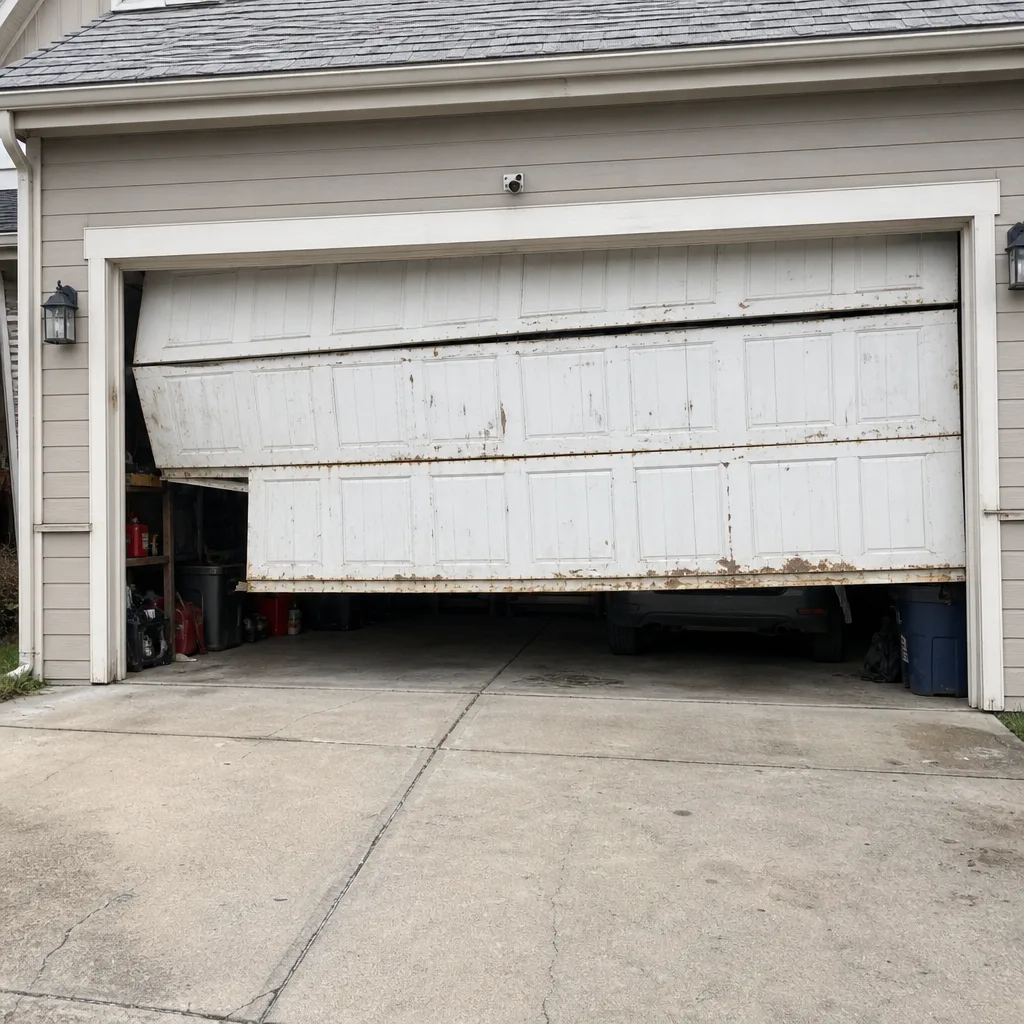 Before
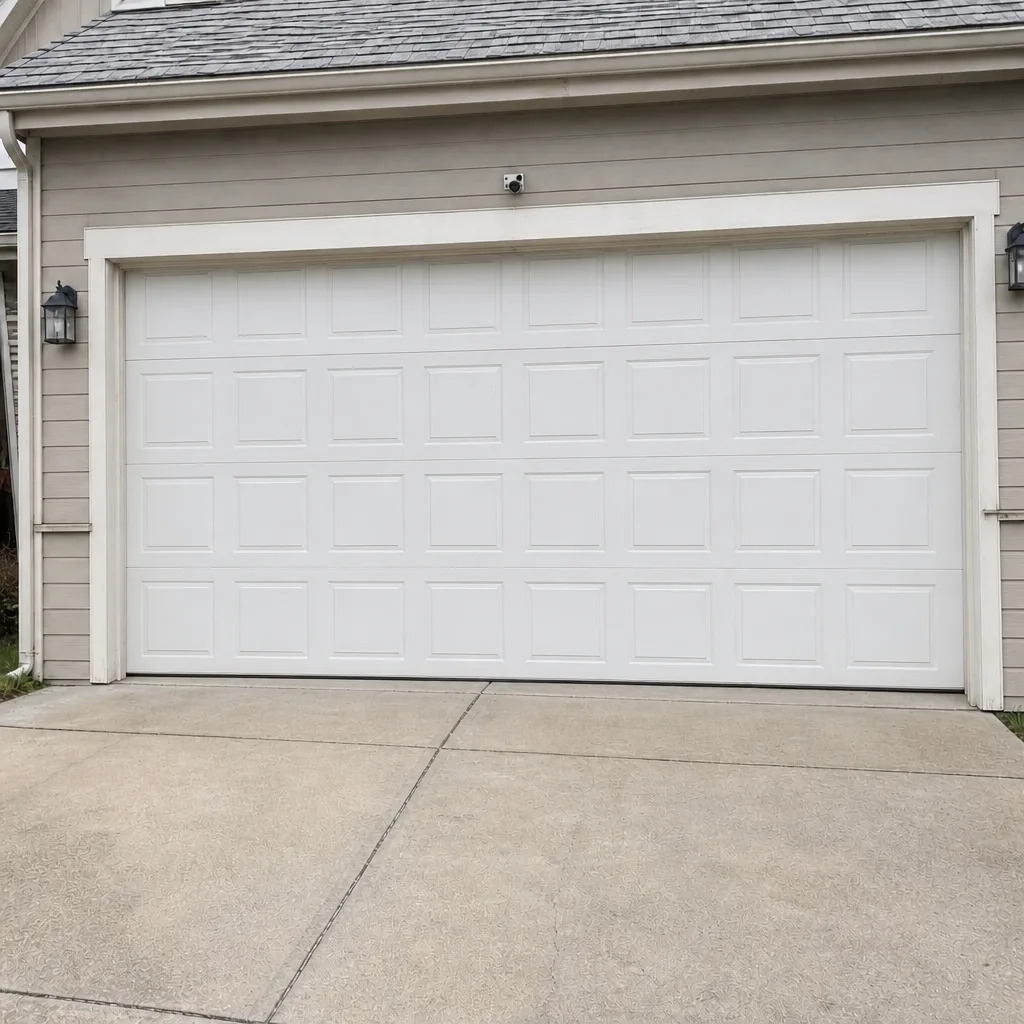 After
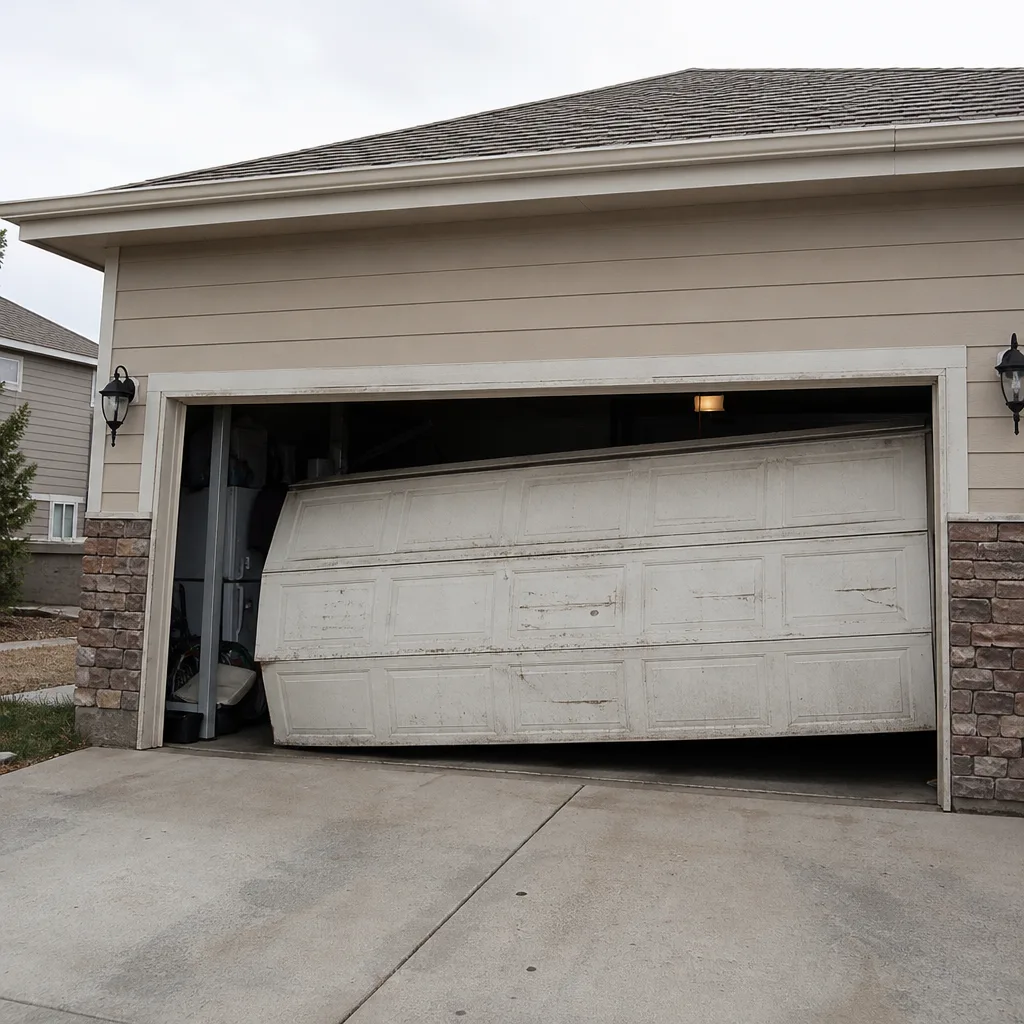 Before
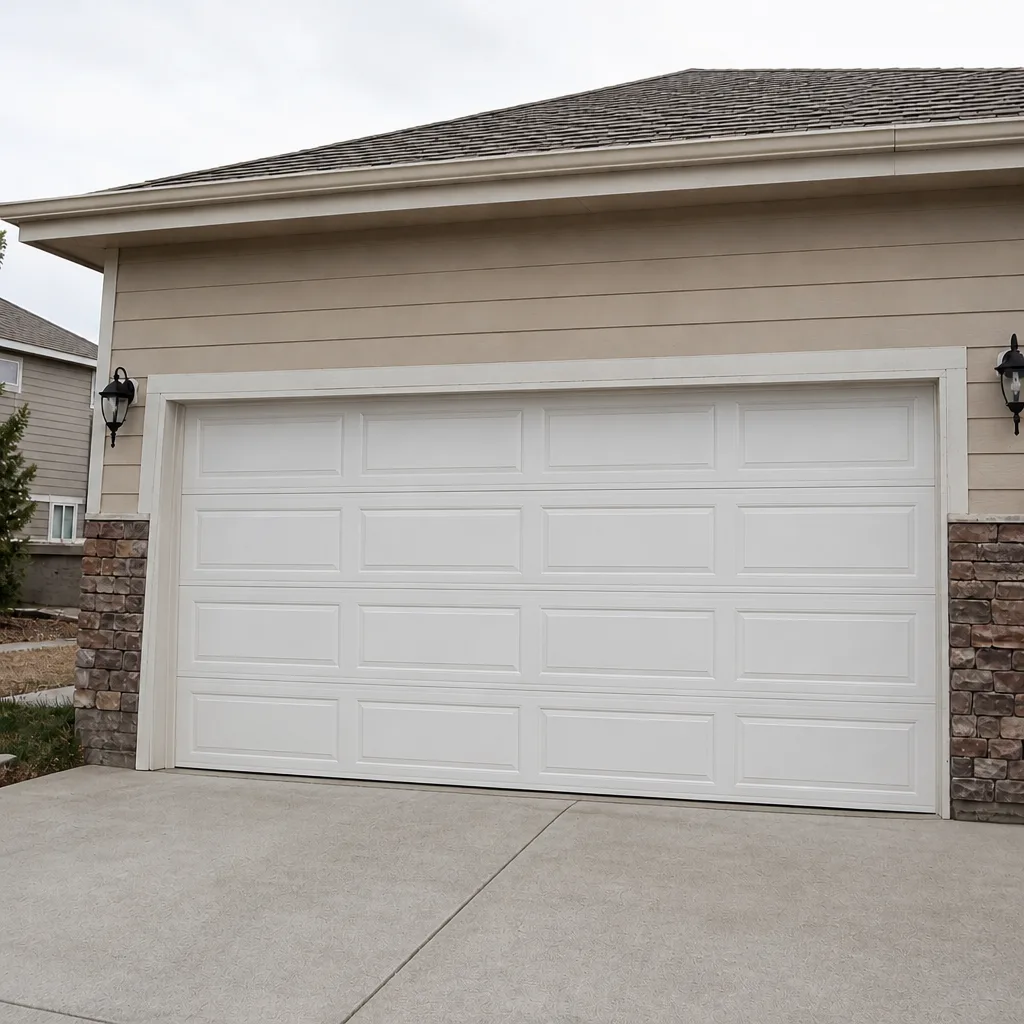 After
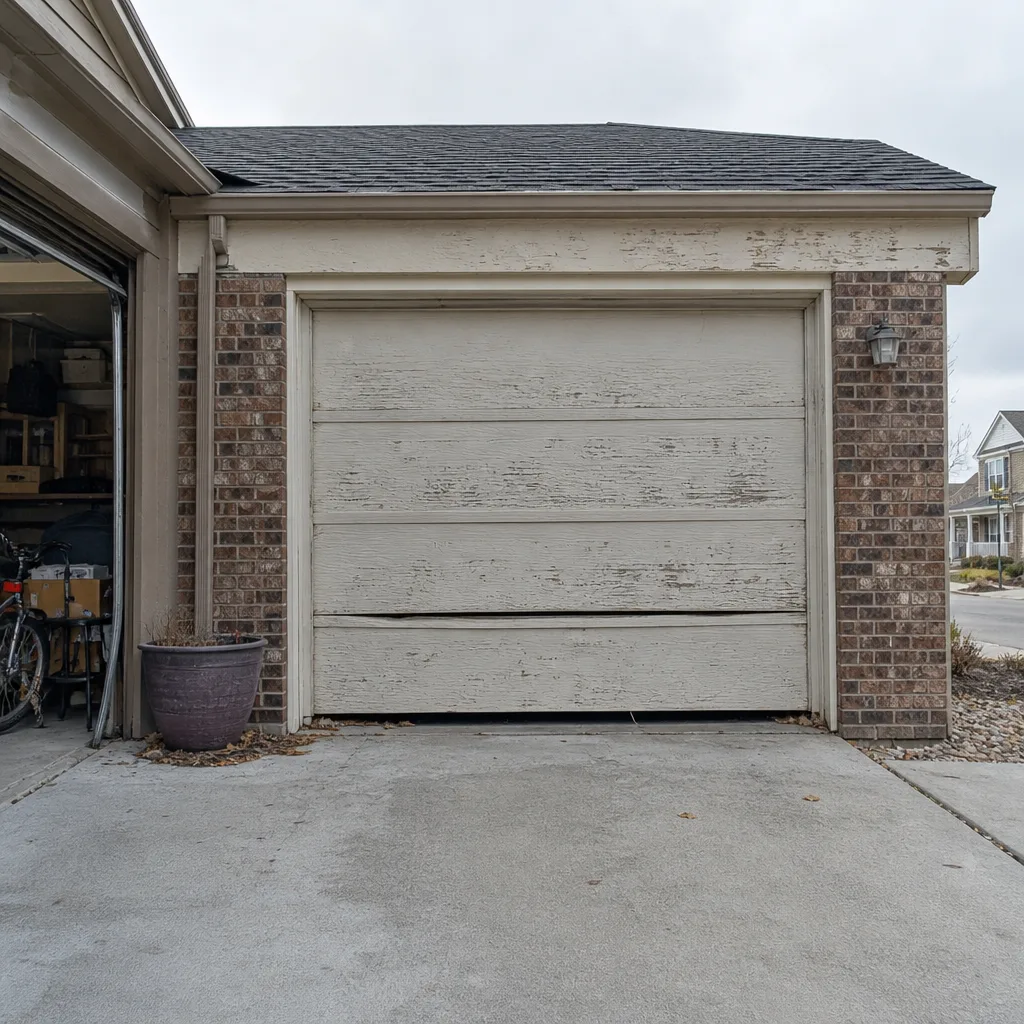 Before
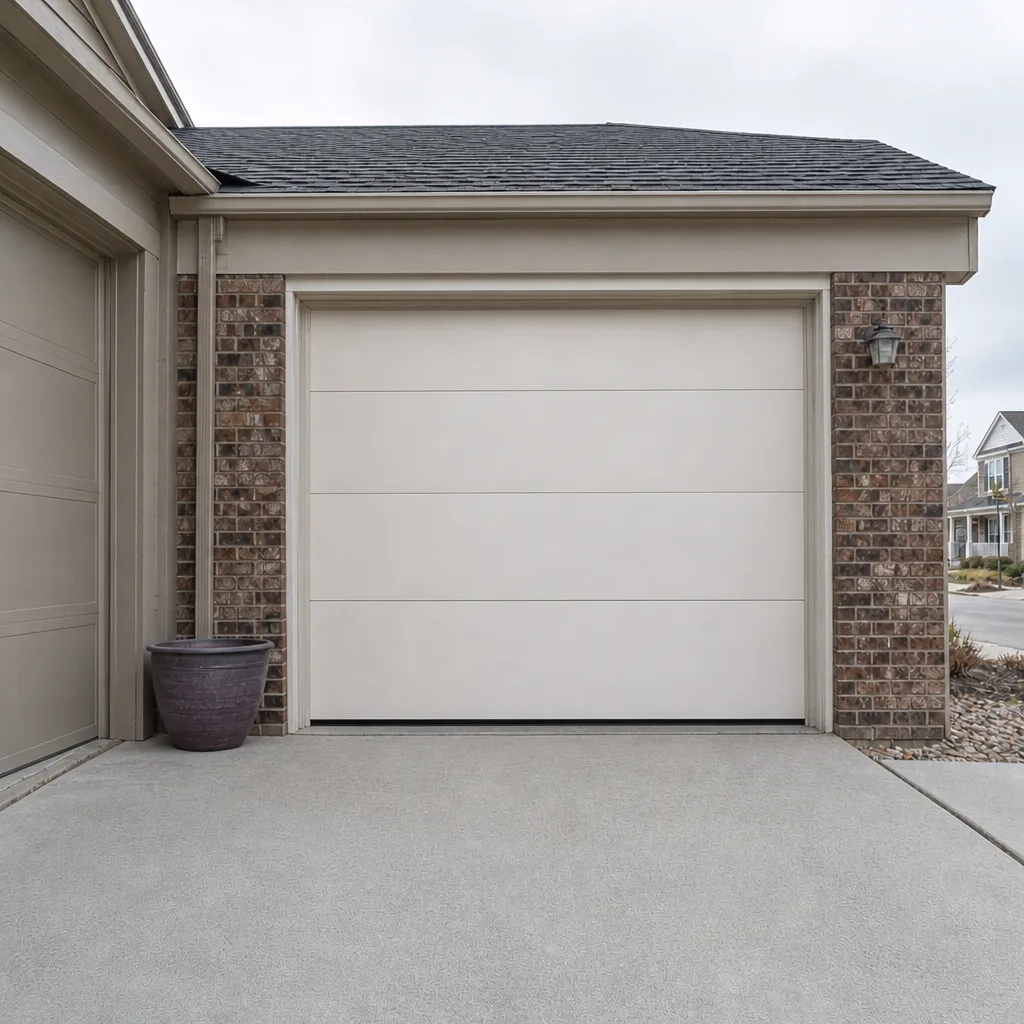 After
Frequently Asked Questions
No. Torsion and extension springs hold 150 – 200 pounds of stored tension, and a release during DIY replacement can send hardware across the garage at speed. The job also requires winding the correct number of turns for your specific door’s weight and balance, which is calibrated by feel and experience. Call a technician who winds springs every week – the risk isn’t worth the savings.
Very little on the finished product, and a lot on your time. Weatherstripping and bottom seals are low-tension, low-voltage work that homeowners handle well. A pro will do it faster and get a tighter fit around the frame, but it’s not a job you need to call in for unless you’re uncomfortable on a small ladder.
Noise, balance, and safety-reverse results tell you. A door that’s noisy but balanced and reverses on contact usually needs lubrication and a seal check. A door that drifts down at mid-travel, slams, reverses on its own, or has a visible cable fray is a professional repair. Stop running the door and get it diagnosed before the problem spreads to the opener or panels.
You can align photo-eyes yourself. They sit near the floor on either side of the door and simply need to face each other with a clear beam between them; the indicator lights tell you when they’re lined up. Never tape over or bypass a sensor that keeps tripping – if realignment doesn’t fix it, the sensor or wiring needs a technician’s look.
Yes, more than a mild-climate homeowner would. Murphy Creek’s summer heat and winter cold swing fast, and that cycle works springs, seals, and opener mechanicals harder. Check the balance and safety reverse twice a year, replace a tired bottom seal before cold sets in, and listen for new noises after the first hard freeze. Catching a fatigued spring early is cheaper than catching it after it snaps.
Professional spring repair is priced per spring, and because matched springs are usually replaced as a pair, the pair costs about twice the single-spring range. DIY saves the labor but adds tool cost, risk, and the real chance of a callback if the winding or balance is off. Call (855) 658-4235 for an exact quote on your door – estimates are free, and the price is set in writing before any work starts.
The Bottom Line
The DIY-versus-pro question for a garage door isn’t about whether you’re handy enough; it’s about which tasks carry stored mechanical energy. Weatherstripping, lubrication, sensor alignment, and light track adjustments save real money done yourself. Springs, cables, and opener wiring don’t belong in a DIY weekend – the physics of stored tension makes them a professional job, not a gray area. We cover the full range from a snapped spring to a full new door because each part of the system has its own safe path. When in doubt, get a free estimate before you decide.
Whether you’re weighing a spring repair, an opener replacement, or just a parts question, we can give you a straight answer and a free estimate. If you need garage door opener repair or spring work, contact us at Garage Door Repair Murphy Creek – call (855) 658-4235. We’re open Sunday through Friday, 7am to 7pm, and closed Saturday.
Written by the team at Garage Door Repair Murphy Creek.