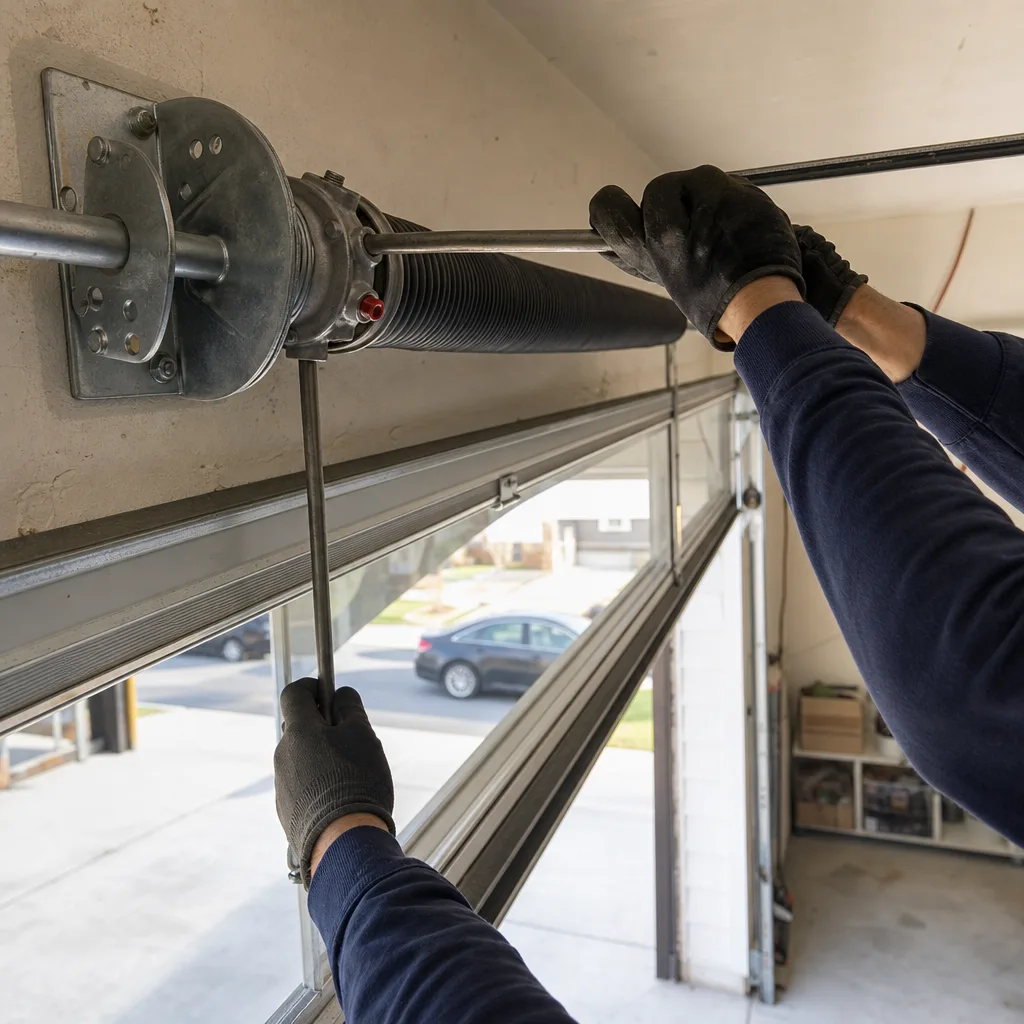
Last updated November 20, 2026
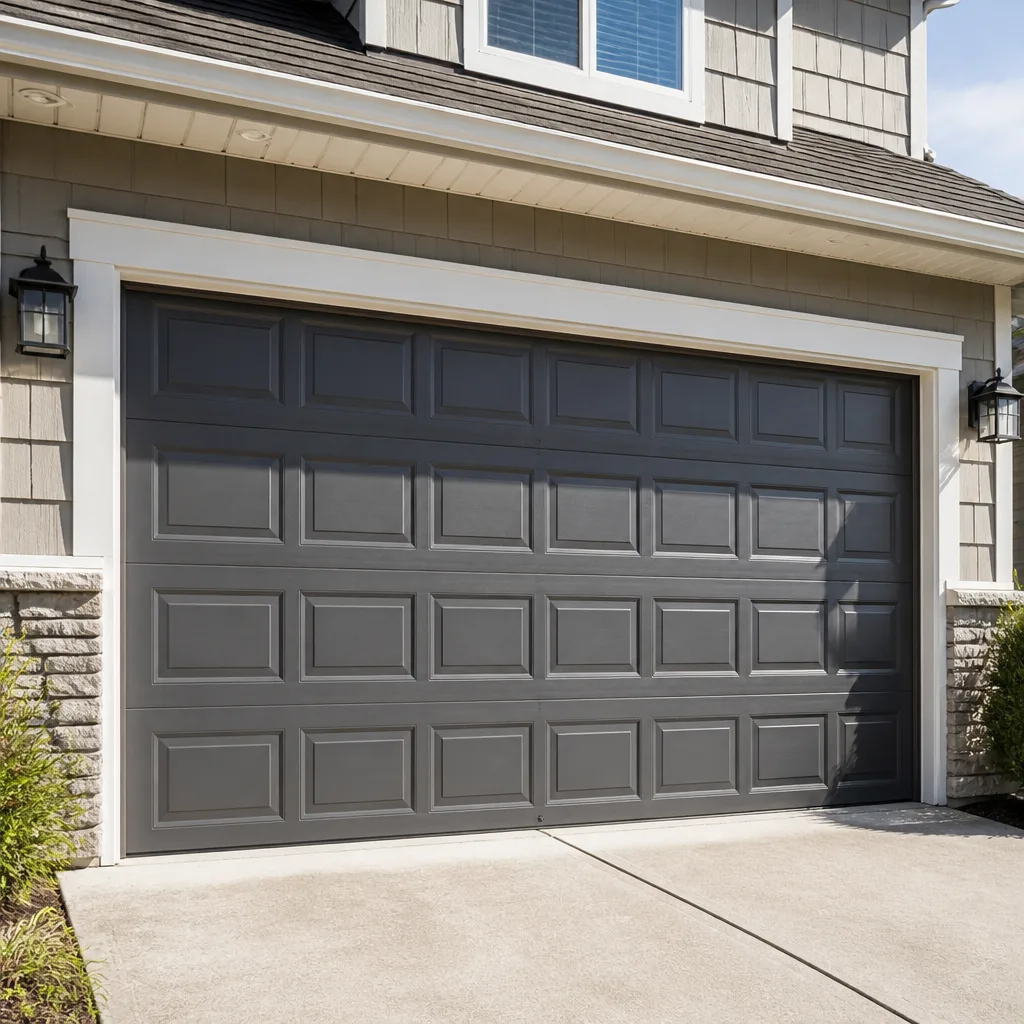 Raised-panel steel
 Carriage house
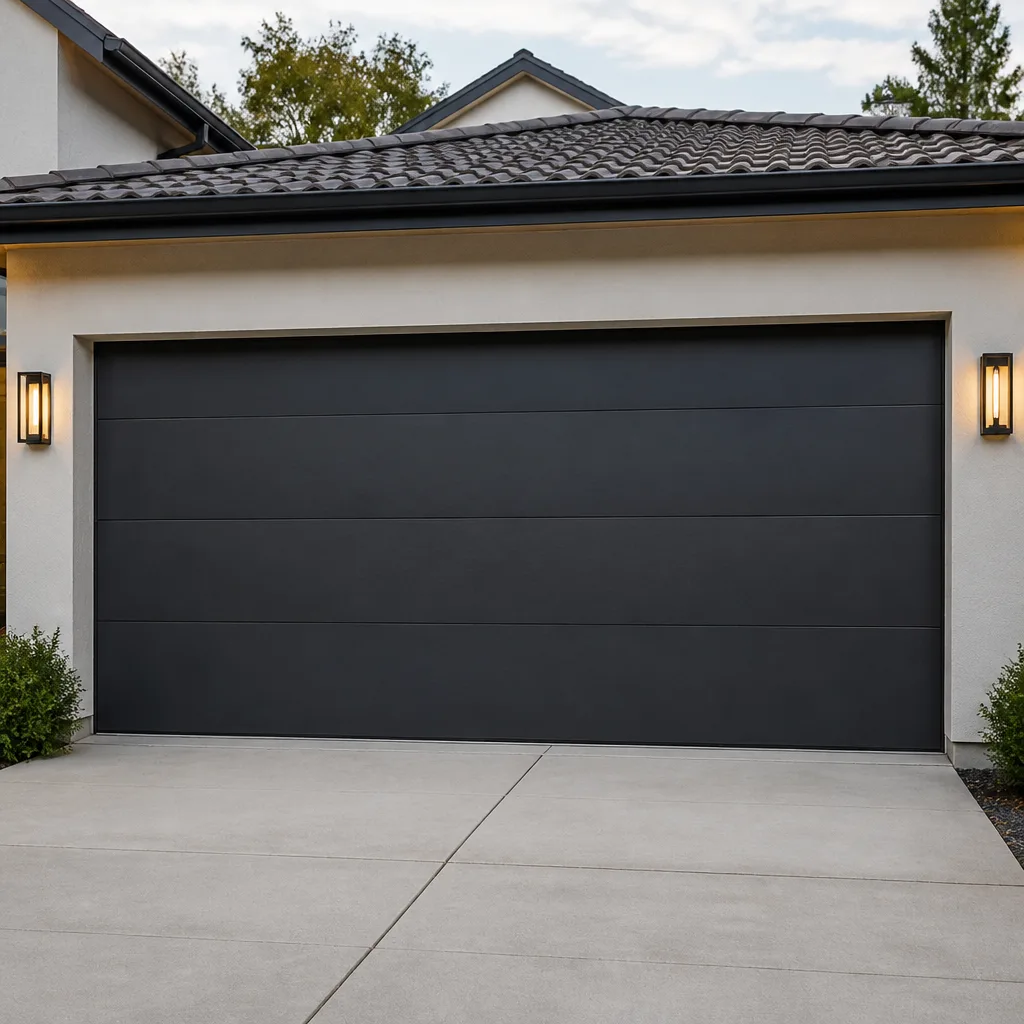 Modern flush
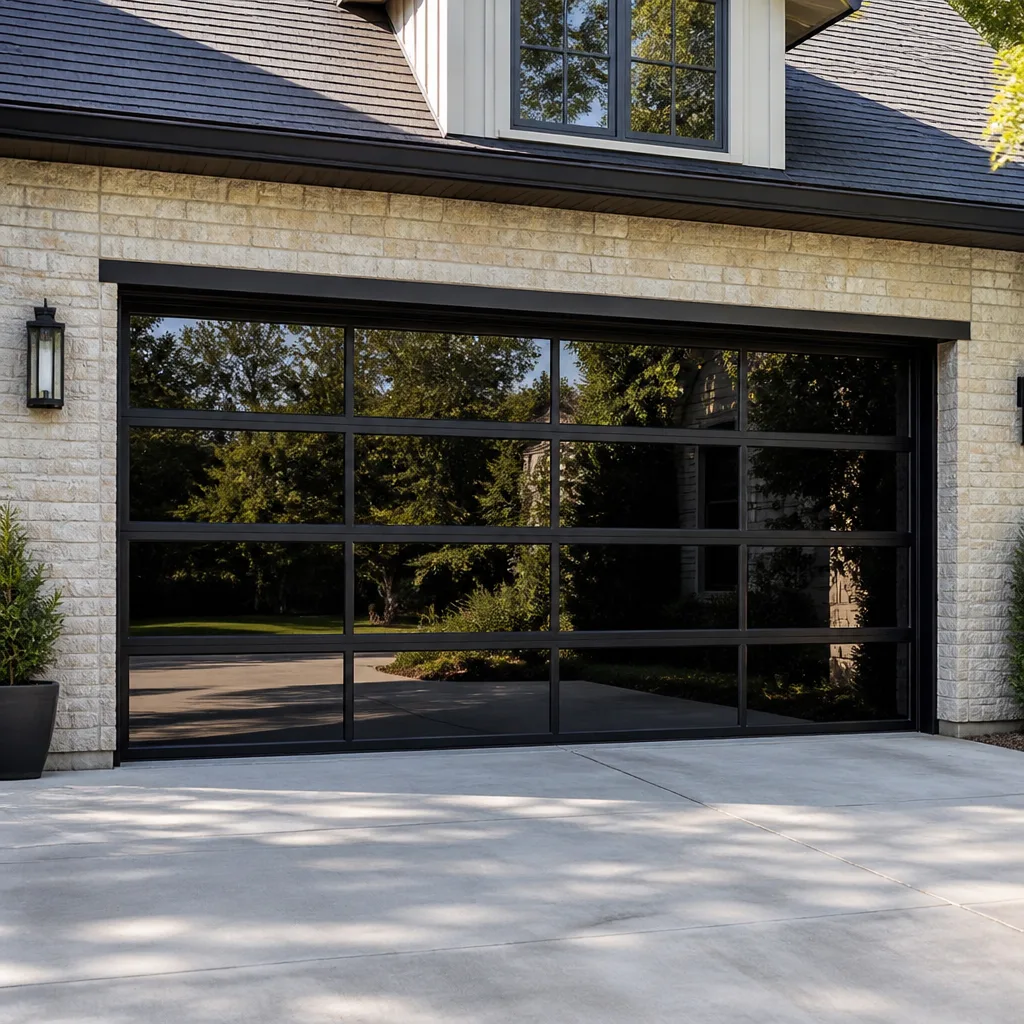 Full-view glass
 LiftMaster openers
 Chamberlain openers
Full 25-point door and opener safety check with every visit - springs, cables, rollers, tracks, and your LiftMaster or Chamberlain opener included
You get a price before we start. It does not change when the pro arrives.
Get your free estimateGarage Door Repair Maintenance Checklist for Murphy Creek Homeowners
Most homeowners who say they maintain their garage door tighten a loose bolt once a year and call it done. That’s not maintenance – it’s a quick glance. The spring that fails had a light gap forming in its coil for weeks before it snapped. The cable that frayed was visibly down to a few strands. The roller that seized was flat-spotted long before it started dragging. None of these failures happen without warning. They happen because nobody knew what to look for. This guide is built around the checkpoints you can actually see and hear, without tools, from the floor of your own garage in Murphy Creek. We’ll cover what each component looks like when it’s healthy, what early failure looks like, and when to stop poking around and call someone.
Styles & brands we work with
- Raised-panel steel
- Carriage house
- Modern flush
- Full-view glass
- LiftMaster openers
- Chamberlain openers
Quick Answer
A useful garage door maintenance checklist covers six checkpoints: spring coil condition, cable strand integrity, roller roundness, track alignment, weatherstripping seal, and lubrication of moving metal parts only. Each one has a visible or audible warning sign that shows up weeks before failure. Run the list once a season, avoid lubricating the tracks or the spring coil, and call a technician the moment you see a gap in a spring or a frayed cable – those two are safety issues, not DIY fixes.
Table of Contents
- Why Most Homeowners Skip Real Garage Door Maintenance
- Springs and Cables: The 30/60/90-Day Failure Signals
- Rollers and Tracks: What Worn Looks Like
- Lubrication: Right Points, Right Product, Wrong Moves
- Weatherstripping and Colorado’s Dry Air
- A Seasonal Timing Framework for Murphy Creek
- The Three Tests: Balance, Reversal, Force
- Common Mistakes to Avoid
- When to Call a Professional
- Frequently Asked Questions
- The Bottom Line
Why Most Homeowners Skip Real Garage Door Maintenance
Homeowners in Murphy Creek and across the Front Range tend to think of garage door maintenance as a single task. The door goes up and down, there’s no obvious noise, so it must be fine. That reasoning fails because a garage door is a balance system, not a simple moving part. The springs carry the weight. The cables connect the spring tension to the door. The rollers guide it along the track. When one component starts wearing, the others compensate – often quietly, without complaint, until they can’t.
Manufacturers who build brands like LiftMaster and Chamberlain publish maintenance guidance that rarely gets read. Owners of Clopay, Amarr, and Wayne Dalton doors get a manual at installation and file it away. The door’s actual condition after three or four years of daily cycles depends on the climate it operates in, the number of open-close cycles per day, and whether anything was ever lubricated correctly. Here in Murphy Creek, where the air is dry, temperature swings are wide, and cycles are heavy in a typical household, the wear path is predictable. The signs are observable. You just have to know what you’re looking at.
What follows is a component-by-component breakdown. It’s the same checklist our technicians work through when a homeowner calls us because the door is behaving strangely and they want to know why before something fails.
Springs and Cables: The 30/60/90-Day Failure Signals
Springs and cables are the first thing to look at because they’re the components that fail catastrophically and the components most commonly ignored. A torsion spring above the door and the two extension springs (on older doors) carry the full weight of the panel assembly. When they wear out, the door stops opening or drops like a stone. Neither failure is something to walk into prepared with a wrench. Torsion springs are under extreme tension even when the door is down – they will cause serious injury if worked on without proper training and tools.
What you’re looking for, in plain terms:
Spring signals (visual)
- A visible gap in the coil. A fresh spring has tightly packed coils that sit flush against each other when the door is down. When the coils start separating or forming a gap anywhere along the coil, the spring has lost tension. A gap that appears within about 30 days of a door cycle change is worth an immediate technician visit.
- Rust or discoloration along the coil, especially if it looks streaked or localized. That’s a stress point, not just surface corrosion.
- A slight bow or warp in the spring body. Springs should look straight. If yours looks like it’s leaning or flexed, it’s close to breaking.
- Banging or popping when the door cycles. This isn’t a normal garage door sound. It’s the spring catching on its own coil as it fails to hold tension evenly.
Cable signals (visual)
- Frayed strands. Look at the cable running along each side of the door. It should be smooth and consistent. If you see a single frayed filament or “birdcage” spot, the cable is compromised.
- Uneven tension. When the door is halfway up, both cables should be tight. If one sags noticeably, the load has shifted.
- Rust creeping along the cable path. Cables are steel, and dry air accelerates rust because it dries out the protective lubricant. In Murphy Creek this is visible earlier than on the coasts.
- Loud snap when the door moves. A cable that’s about to fail will often make a sharp crack as it slips off a drum. Stop cycling the door and call.
Note that a matched pair of springs is typically replaced together, so if one spring has a visible gap or a broken coil, plan for both. A technician will confirm during the visit.
Rollers and Tracks: What Worn Looks Like
Rollers and tracks don’t usually fail catastrophically – they fail gradually, and the result is a door that gets noisier every month. Owners of Amarr and Raynor doors in Murphy Creek often notice this first as a low rumble when the door starts up in the morning. That rumble is the sound of metal on metal where there should be a smooth bearing surface.
Rollers
Steel rollers live inside the track and guide the door up and down. There are usually 10 to 12 of them on a standard two-car door. What to check:
- Flat spots. If a roller doesn’t feel round when you spin it with your finger (door down, of course), it’s flat-spotted. A flat roller will keep thumping every revolution and will wear the track.
- Loose bearings. A good roller turns smoothly and quietly. If you hear grinding or it wobbles side to side, the bearing is worn.
- Nylon roller wear. Newer doors often use nylon rollers. These last longer than steel but develop a visible “lip” at the edge when they’re worn.
Tracks
Tracks are the aluminum rails on each side and across the ceiling. What to check:
- Dents or dings along the inner curve. Any dent in the path of a roller will cause drag and wear.
- Misalignment – the vertical track should be perfectly parallel to the door edge. If you can see a gap that widens toward the bottom, the track is out of alignment.
- Loose mounting bolts. The track attaches to wood framing above and to the sides. If those lag bolts are loose, the whole door shifts and the rollers bind.
- Bent horizontal track after an impact. If the door was bumped at any point (kids, bikes, backing into the garage too far), the track may have a subtle bend that only shows up when the door runs.
When a track is out of alignment, the door’s rollers are under uneven pressure. That accelerates roller wear and puts stress on the cables. Aligning a track is a two-person job with the door properly secured – it’s a call-a-pro moment, not a solo weekend task. We’ve rebuilt tracks on plenty of doors in Murphy Creek and it’s almost always a job that would have been simpler if we’d been called sooner.
Lubrication: Right Points, Right Product, Wrong Moves
Lubrication is where most homeowner maintenance goes wrong, and the mistake runs in two directions. Some people never lubricate anything and let metal wear on metal for years. Others over-lubricate and create a sticky mess that attracts dust, gums up the mechanism, and makes everything worse. Here’s how we break it down.
Where to lubricate
- Roller stems and hinges. A white lithium grease or a silicone-based lubricant on the hinge pivot points and roller stems. A small dab is enough. You’re not greasing a wheel bearing.
- The spring coil (unless it’s an extension spring). A torsion spring benefits from a light coat of lubricant designed for springs. This reduces friction between the coils as they wind and unwind and cuts down the wear that causes snapping. Many technicians skip this step; ours don’t.
- The opener’s rail and chain or belt. Follow the manufacturer’s guidance. Chains generally call for a light grease; belts should be left largely alone. Use something compatible with the brand.
- Door lock and hinge pivot points. Small details but they matter for a smooth cycle.
What NOT to lubricate
- Tracks. The most common mistake. Lubricated tracks attract dust and dirt, and the rollers start skipping instead of rolling. Wipe them clean with a dry or slightly damp cloth; leave them dry.
- Nylon rollers. Nylon is self-lubricating. Grease on a nylon roller can degrade the material.
- Weatherstripping. Standard grease will attract grit and shorten life. Use a silicone spray designed for rubber if anything.
- Cables. A light application of dry lubricant is acceptable in dry climates, but liquid grease on a cable traps dust and accelerates the wear on the strands. In Murphy Creek, dry-lube only.
If you’re not sure what product your door wants, ask before you spray. Our parts supply team can recommend the right lubricant for your specific brand and door type – that saves you from turning a maintenance task into a repair call.
Weatherstripping and Colorado’s Dry Air
Weatherstripping – the rubber or vinyl seal around the door’s perimeter and along the bottom – is the component most affected by local conditions, and it’s the one homeowners miss. Colorado’s dry air pulls moisture out of rubber far faster than the humid climate many generic maintenance guides assume. Weatherstripping that sees 15 years of use in a mild, humid environment may show serious degradation by year seven or eight here on the Front Range.
What to look for on your door in Murphy Creek:
- Cracks and splits in the bottom seal. Run your hand along the bottom edge (door down). Any cracking means the seal is losing its ability to keep out cold air, dust, and insects.
- Shrinking. Dry climate weatherstripping doesn’t just crack – it shrinks. If the bottom seal no longer contacts the floor when the door is closed, or the side seals have pulled away from the door frame, that’s shrinking.
- Stiffness. Healthy weatherstripping feels flexible. If it feels hard or brittle, it will stop sealing at low temperatures.
- Visible daylight along the bottom edge. This is a fast visual check – if you see light coming under the door when it’s closed, the seal is failing.
Replacing weatherstripping is frustratingly cheap compared to the consequences of leaving it: a draft that makes the attached garage noticeably colder, dust ingress, and eventually pests finding a way in. It’s one of the highest-impact maintenance items in this climate and one of the least expensive.
A Seasonal Timing Framework for Murphy Creek
Generic garage door guides tell you to inspect “in spring and fall.” That’s not wrong, but it misses the drivers of wear in this part of Colorado. Our climate puts more stress on the door in specific windows:
Late fall (before the first hard freezes)
This is the most important inspection window of the year. Door seals harden when temperatures drop, so any weatherstripping that’s already stiff will fail outright in the first cold snap. Springs also lose some tension in the cold, and a weak spring that was holding together in October can snap in December. Run every checkpoint on this list before the first hard freeze.
Late winter (after the freeze-thaw cycle)
Colorado winters bring repeated freeze-thaw swings. Metal contracts and expands; wood framing shifting slightly at the garage header is normal. That shift can put a track out of alignment or loosen a mounting bolt. A track check right after the worst of the cold weather catches alignment drift before it wears out the rollers.
Spring (allergy season – the dust window)
Dry windy spring weather in Murphy Creek sends a lot of dust through the air. Dust collects in the tracks and on lubricant. This is the best time for a full wipe-down of tracks and hinges, and a fresh coat of lubricant where it’s needed.
Summer (inspect the seal and the opener)
Summer heat stresses weatherstripping. It’s the easiest season for the balance and reversal tests, and a good window to check the opener’s safety features and battery backup.
Two formal checkpoints per year – one before cold season, one after – plus an informal visual scan you can do in under a minute are all most doors need. That’s the framework we’d recommend to any Murphy Creek homeowner, along with a technician inspection if anything on the list raises a flag.
The Three Tests: Balance, Reversal, Force
These are the three tests that reveal hidden problems before they become emergency calls. They take about five minutes in total and require no tools. Do them in a safe place: nobody under the door, no objects on the ground, door in view.
1. The balance test
- Disconnect the opener (usually a pull cord or release lever on the opener rail).
- Move the door by hand to about halfway up.
- Let go.
- It should stay in place without drifting.
If it sags down, the springs are losing tension. If it drifts up, the spring tension is too high. Either way, the door’s counterbalance is out of spec – a spring issue rather than a motor issue, and a technician call. If you’re not comfortable disconnecting the opener, skip this test and let a technician handle it; there’s nothing here worth risking your back over.
2. The reversal test
This checks the door’s automatic safety reverse. Close the door using the wall control. As it’s coming down, wave a broom handle (or a 2×4 block laid across the threshold) in the door’s path. The door should reverse direction immediately on contact with the object. If it doesn’t, the opener’s safety system needs attention – that’s a repair, and if you have young kids or pets, it’s a same-day repair. Many LiftMaster and Chamberlain openers have a test button right on the head unit that runs this check automatically; consult the manual for the exact procedure on yours.
3. The force test
Stand at the wall control, hold the button down so the door begins to close, and let go mid-travel. The door should stop and reverse. Then hold a broom handle under the door as it closes – the door should reverse on contact with light resistance. If the door pushes through or takes more than a moment to reverse, the force setting is too high. That’s an opener adjustment, and it’s an easy visit for a technician who knows the brand. It’s also a safety issue, not a perfunctory check.
The three tests together are another reason to know your opener’s exact model. A Craftsman opener from years past and a modern Chamberlain smart opener test differently because the safety logic differs. That’s why our garage door opener repair work starts with identifying the system in place before we run any diagnostics.
Common Mistakes to Avoid
- Greasing the tracks. The most common mistake in garage door care. Lubricated tracks turn into dust magnets, and rollers start skipping. Wipe tracks clean and leave them dry – lubricate only the moving metal, not the path it travels.
- Trying to replace a spring without training and tools. Torsion spring replacement is one of the most dangerous jobs a homeowner can take on. The spring is under extreme tension even with the door down. This is a safety-critical job; if something looks wrong with your spring, call us or a trained technician.
- Ignoring a small cable fray. A single frayed strand means the cable has already lost part of its load capacity. In Murphy Creek’s dry air, cables rust faster than in humid climates because the protective oil dries out, so a small spot gets worse quickly.
- Assuming a noisy door is normal. Noise is the door’s way of telling you a component is wearing. If it wasn’t noisy last year and it is now, something needs inspection.
- Skipping weatherstripping because the door “still works.” Weatherstripping doesn’t stop the door from opening. It just stops the cold, dust, and pests. Dry air in Colorado wears it out faster than the rest of the country, and a failed seal often takes a detour through the whole garage’s energy budget.
- Running the door after the opener behaves oddly. If the opener lights flicker, hesitates, or reverses without cause, the force setting, sensor alignment, or chain tension is off. Continuing to cycle it can damage the opener and the door.
- Mixing parts from different brands. A General-purpose roller or cable may fit, but it won’t wear the same way. Using the right OEM-compatible part for your door keeps the system balanced and slows wear. Not sure what fits? Our garage door repair team can source the correct part for your exact door or opener brand.
When to Call a Professional
Most of the list above is safe for any homeowner to run. A few items are not. Call a technician if any of the following is true: you see a gap in a torsion spring, a spring is visibly broken, a cable is frayed or has snapped, the door has stopped balancing in the middle, a track is visibly bent, or the door closes on its own or reverses inconsistently. These are safety issues and loading problems, and every one of them is a same-day call rather than a weekend project. Spring work in particular carries real injury risk. Our Garage Door Repair Murphy Creek technicians handle torsion and extension springs as a core service, alongside garage door installation when a full replacement makes more sense than repair. Garage Door Repair Murphy Creek offers free estimates – call (855) 658-4235. We’ll walk through what you’re seeing, give you a straight answer, and quote the price in writing before anything is touched.
Frequently Asked Questions
Twice a year is enough for most homes – once in late fall before hard freezes, and once in late winter after the freeze-thaw cycle. If your household opens the garage door more than a dozen times a day, or the door is 10+ years old, run the visual checkpoints monthly. The full balance, reversal, and force tests are worth doing every three months.
A worn torsion spring shows a visible gap where the coils have separated, especially near the center. It may look bowed, and there may be rust streaking along the coil. When you cycle the door you’ll hear a popping or banging sound that wasn’t there before. Any of those signs means a technician visit soon; do not try to adjust it yourself.
No. Torsion springs are under extreme tension even when the door is fully closed. Working on one without proper tools and training can cause serious injury. This is one of the few garage door jobs where we recommend no DIY attempt at any stage. Our technicians handle both torsion and extension springs as a dedicated service, and it’s the job we’d most want to be called for before anyone gets hurt.
Colorado’s dry air pulls moisture out of rubber and vinyl weatherstripping faster than humid climates do elsewhere. That doesn’t make it fail within a year or two, but it does mean it dries out, cracks, and shrinks noticeably sooner than the “replace every 10-15 years” guidance you’ll see in generic national maintenance guides. Inspect it every fall before hard freezes.
Our technicians work on doors and openers from LiftMaster, Chamberlain, Genie, Clopay, Amarr, Wayne Dalton, Craftsman, and Raynor. That covers the systems installed in most Murphy Creek homes, both newer smart-home openers and legacy openers from earlier decades. Knowing the specific model family matters for diagnosis, spring compatibility, and safety test procedures.
No. The written estimate sets the price, and that conversation happens before any work starts. If a technician discovers something the initial call didn’t cover, you’ll hear about it before it’s touched, at the quoted number. We don’t run up the bill by discovering things mid-job. Call (855) 658-4235 for a free estimate – the number we give you is what you’ll pay for the agreed scope.
Usually, yes. A door that reverses mid-travel is telling you the opener’s safety sensor sees an obstruction, or the force setting is calibrated too low, or the chain or belt tension is off. It’s not a door failure – it’s an opener diagnostic. In most cases it’s a short visit and adjustment, but if the door is genuinely binding (rollers or track), the opener may be reacting correctly to a door problem. Our garage door opener repair diagnostics identify which fault you’re looking at. Often it’s a small fix that would have been a larger problem if left alone.
The Bottom Line
A garage door maintenance checklist works only if it tells you what you’re looking at. Springs fail with visible gaps weeks before they break. Cables fail with single-strand frays you can spot from the garage floor. Rollers fail with flat spots and rumble sounds. Weatherstripping fails with cracks and shrinking, made faster by Murphy Creek’s dry air. Run the visual checkpoints twice a year, do the balance, reversal, and force tests every three months, lubricate the right parts with the right product, and call a technician for anything spring- or cable-related. That’s the whole system, and it’s the difference between a routine repair and an emergency replacement.
If anything on this checklist raises a flag, we’re a phone call away. Garage Door Repair Murphy Creek is a dedicated garage door specialist providing repair, opener repair, spring repair, parts, and new door installation. Our technicians have up to 11 years of experience, and we work on the specific model of door you have, not garage doors in general. Call (855) 658-4235 for a free estimate. We’ll give you a straight read on what you’re seeing, quote the price in writing, and only start work when you say go.
Written by the team at Garage Door Repair Murphy Creek.
See the difference
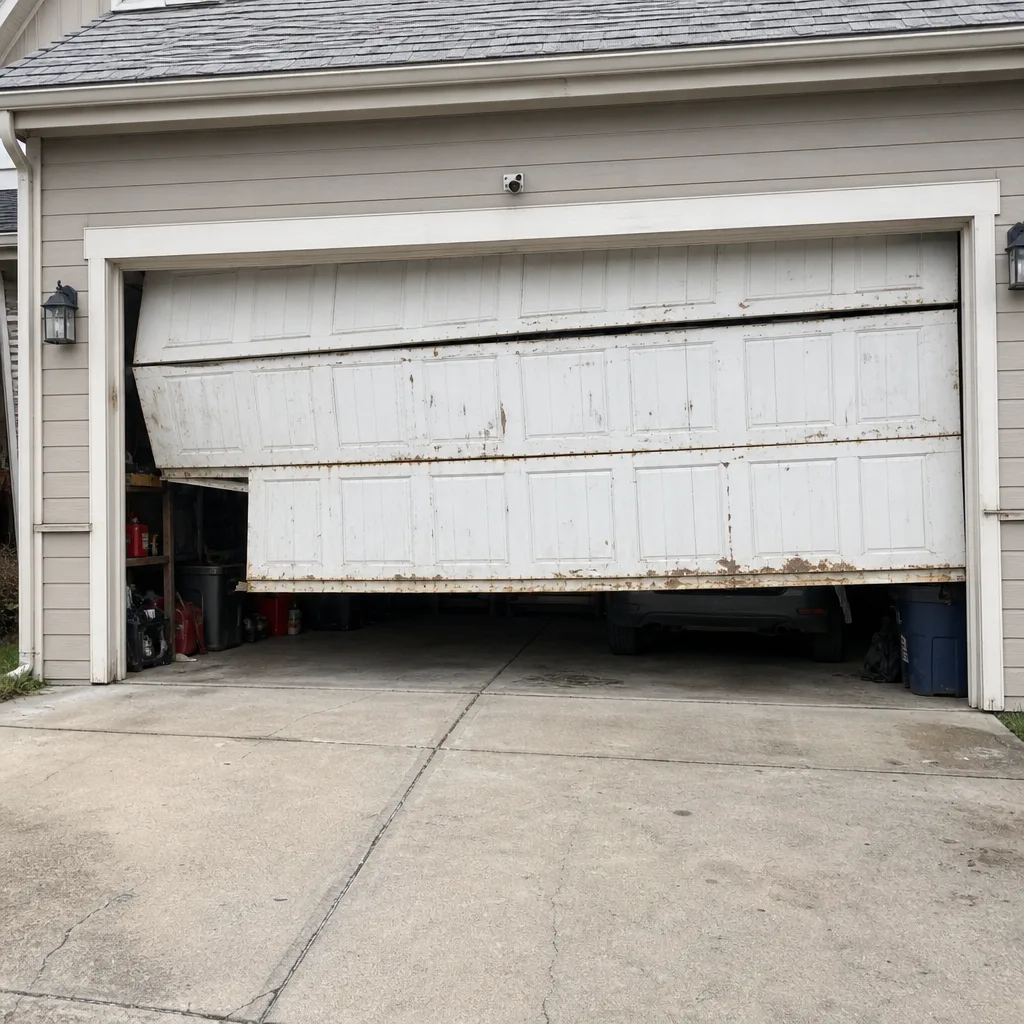 Before
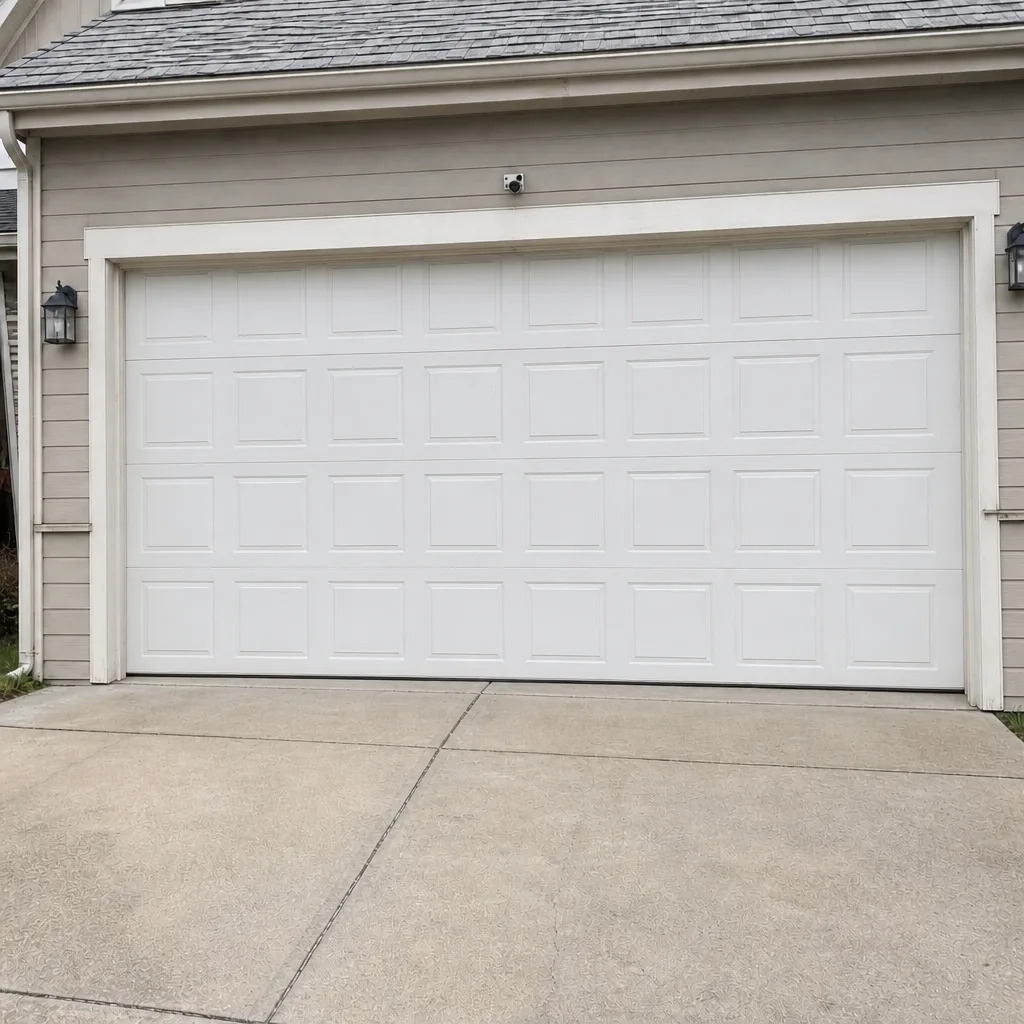 After
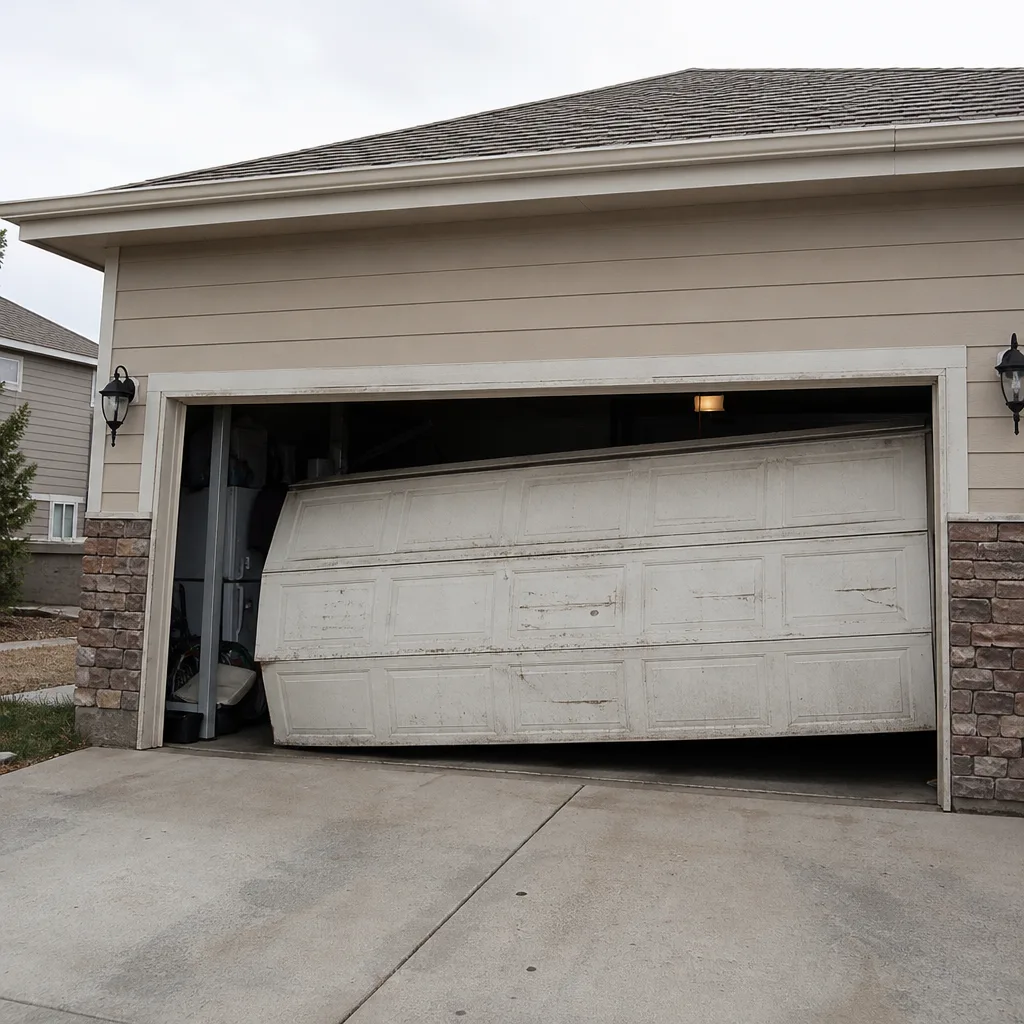 Before
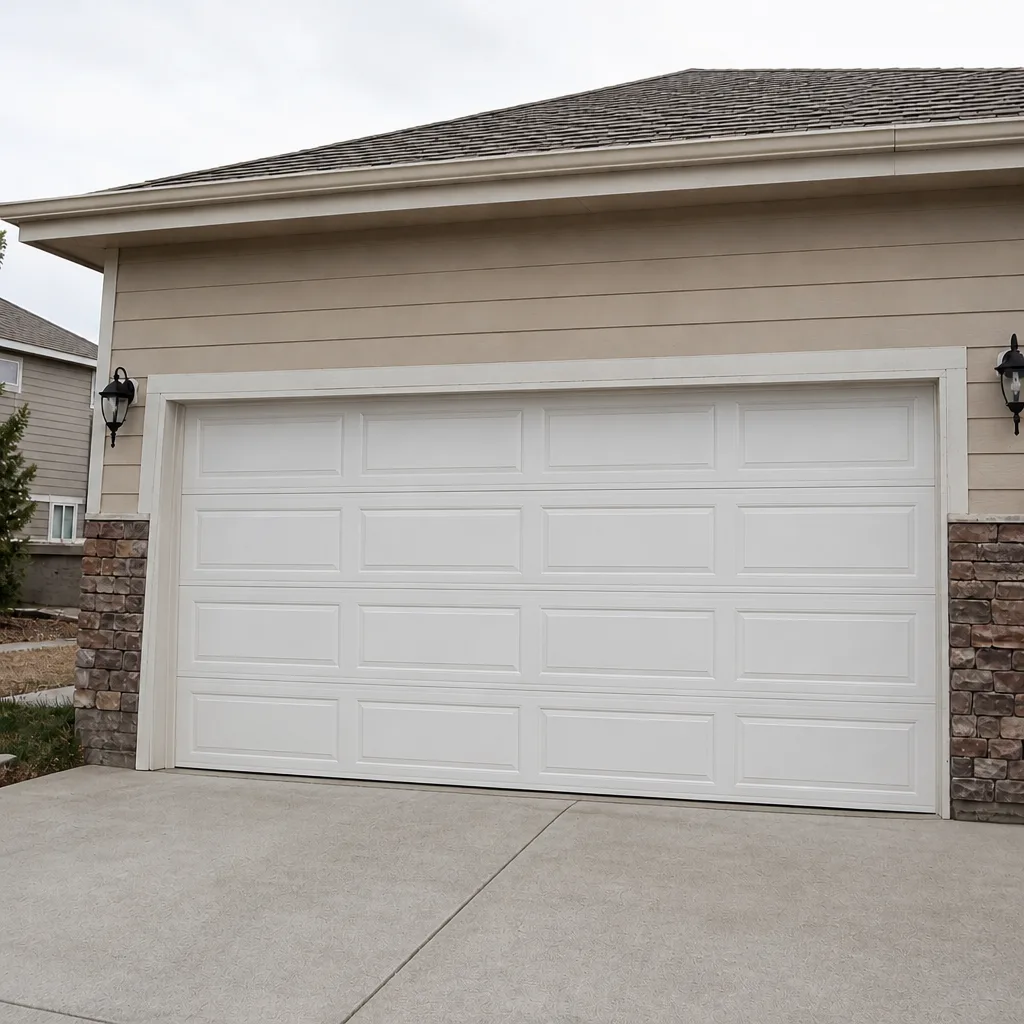 After
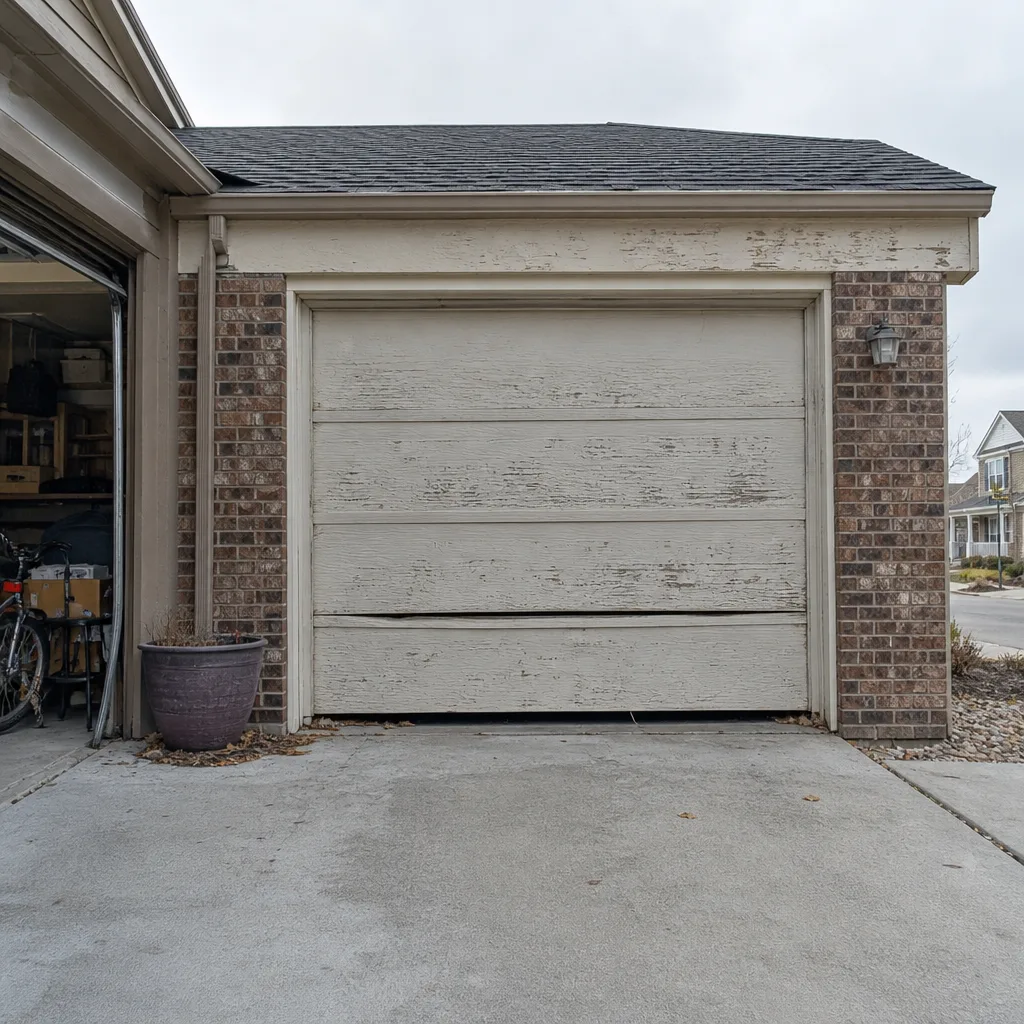 Before
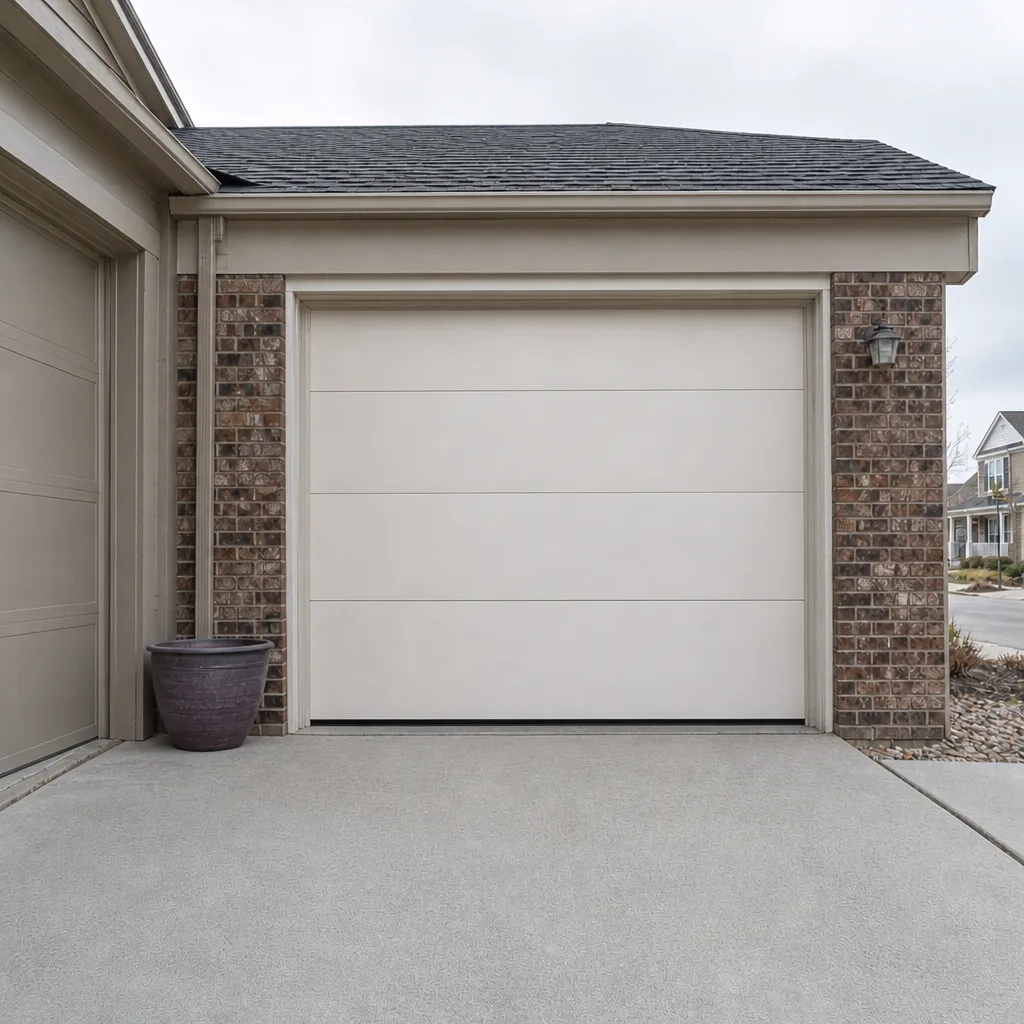 After