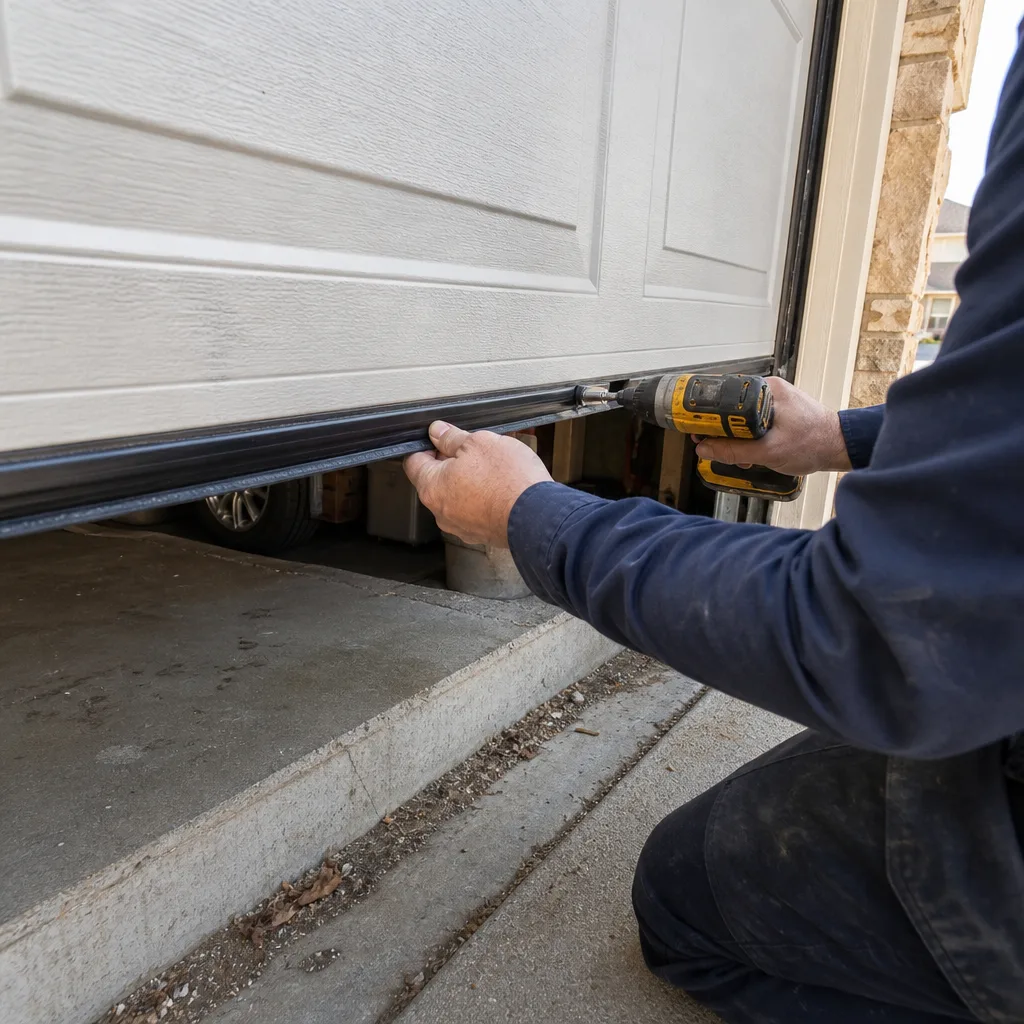
Last updated November 20, 2026
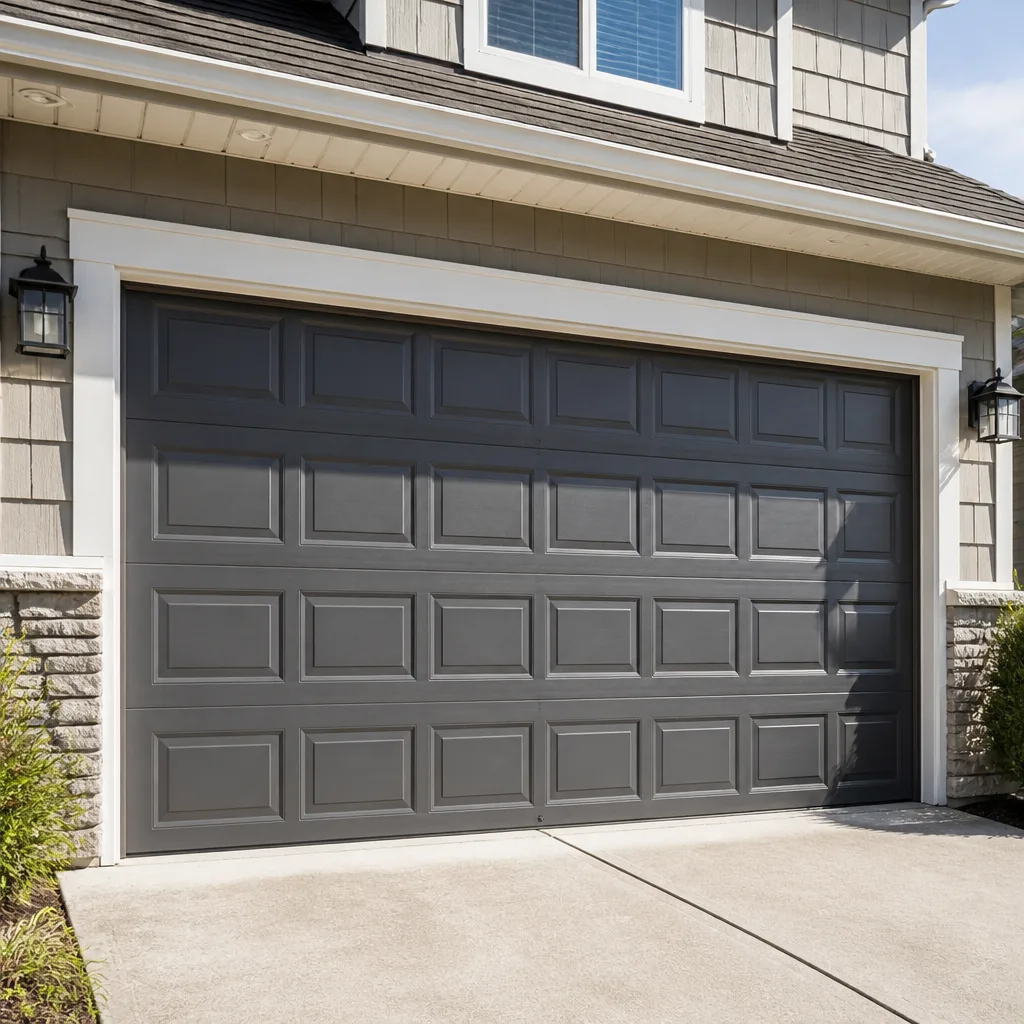 Raised-panel steel
 Carriage house
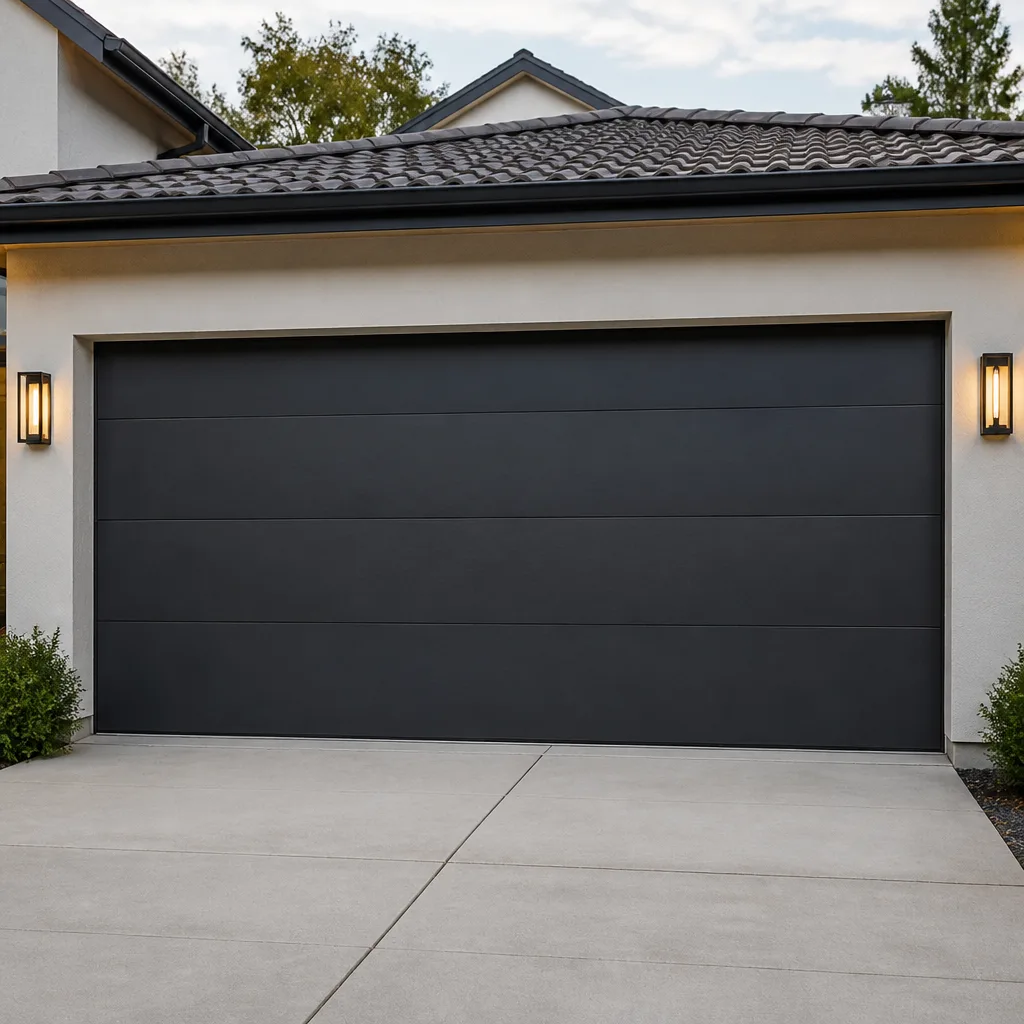 Modern flush
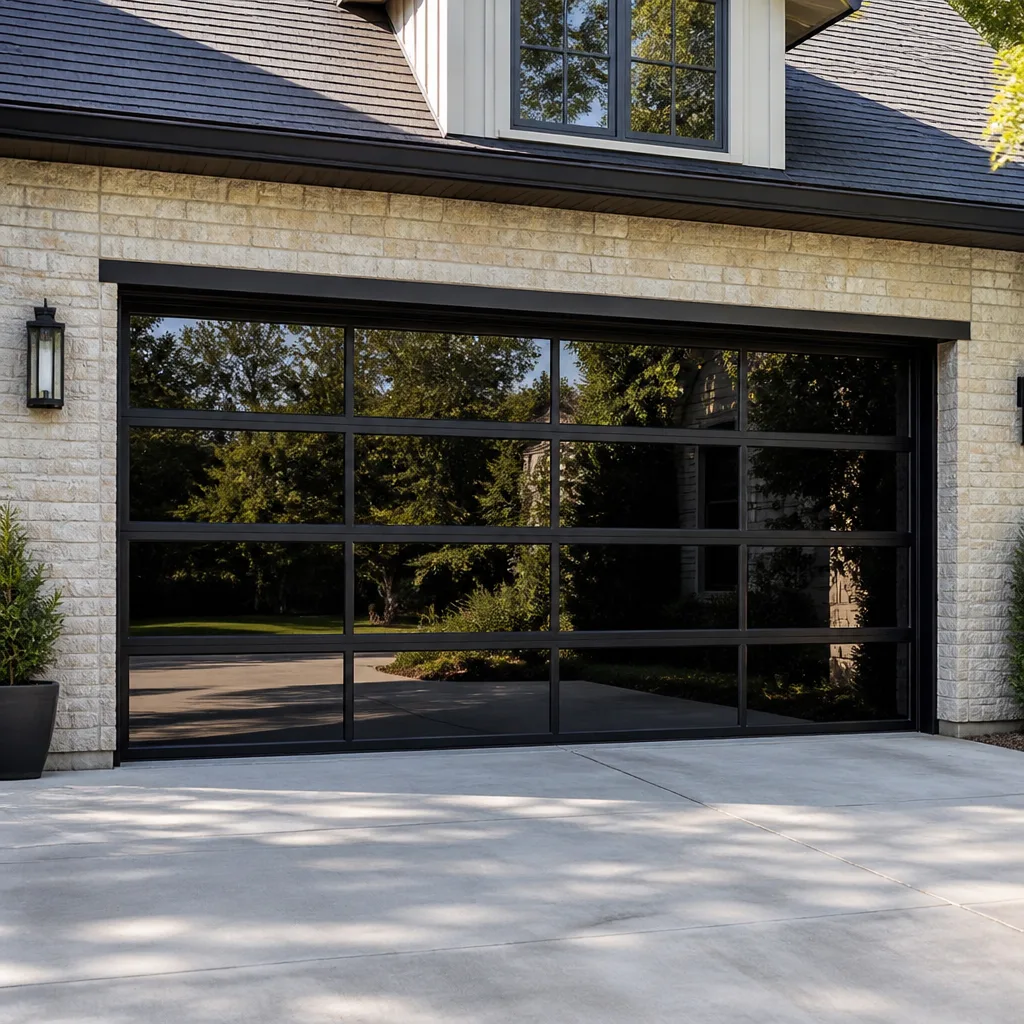 Full-view glass
 LiftMaster openers
 Chamberlain openers
Full 25-point door and opener safety check with every visit - springs, cables, rollers, tracks, and your LiftMaster or Chamberlain opener included
You get a price before we start. It does not change when the pro arrives.
Get your free estimateSeasonal Garage Door Care for Murphy Creek: Year-Round Homeowner’s Guide
The busiest emergency calls we get in Murphy Creek don’t come in the dead of winter. They come in the first week of November and the first week of March, when the season turns faster than most homeowners are ready for. In November it’s the first hard freeze locking up a door that never got adjusted in October. In March it’s the freeze-thaw churn pulling hardware loose just when the weather feels like it’s finally cooperating. So this guide doesn’t hand you four interchangeable seasons of advice. It gives you a cold-entry protocol for October, a thaw-damage check for March, and a heat-and-dust strategy for July, tuned to how garage doors actually behave in Murphy Creek.
Quick Answer
Garage door care in Murphy Creek runs on three seasonal checkpoints, not four identical routines: an October pre-winter adjustment (spring tension, bottom seal, lock cylinder lubrication), a March freeze-thaw inspection after each thaw, and a July heat-and-dust pass covering UV degradation, thermal expansion on dark doors, and dust infiltration in the opener track. Handling these three checkpoints is what prevents the most common failures we see in Murphy Creek, and none of them require special tools – just timing and a trained eye on the moving parts.
Styles & brands we work with
- Raised-panel steel
- Carriage house
- Modern flush
- Full-view glass
- LiftMaster openers
- Chamberlain openers
Table of Contents
- Why Murphy Creek Doors Fail by Season, Not by Month
- October: The Pre-Winter Protocol
- March: Why Freeze-Thaw Hurts More Than Deep Cold
- Summer in Murphy Creek: Heat, UV, and Dust
- How an Attached Garage Creates Heat-Sink Dynamics
- The Month-by-Month Task Calendar for Murphy Creek
- Common Mistakes to Avoid
- When to Call a Professional
- Frequently Asked Questions
Why Murphy Creek Doors Fail by Season, Not by Month
The standard national maintenance advice tells you to check your door “once in spring and once in fall.” That advice is written for a climate with gentle transitions, and Murphy Creek doesn’t have those. What we have is a sharp swing in both directions – a fall that can go from mild to freezing inside a couple of weeks, and a spring that thaws by day and refreezes by night for weeks on end. Each of those transitions stresses a different part of the door.
Garage door systems are built around two things that react to temperature: steel and springs. Steel contracts when it cools and expands when it warms. Torsion springs change their stored energy with temperature too. And every seal, hinge, roller, and lubricated joint sits in between those two materials, absorbing the movement. When the change is gradual, the hardware has time to settle. When the change is abrupt, something has to give – and it’s usually the seal, a hinge, or a spring that was already near the end of its life.
That’s why seasonal care for a Murphy Creek home is less about following a national checklist and more about anticipating the two or three weeks each year when the door gets stressed hardest. If you handle those windows, the rest of the year mostly takes care of itself. If you don’t, the door still works – until the morning it doesn’t, and you’re standing in the cold calling for Garage Door Repair Murphy Creek before you’ve had coffee.
The point of this guide is to shift you from reacting to anticipating. A door that gets attention in October rarely fails in January. A door that gets checked after the March thaws rarely develops the loose-hinge, misaligned-track problems that show up in April.
October: The Pre-Winter Protocol
October is the single most important maintenance month of the year for a Murphy Creek garage door. What you do in October determines whether the door glides through winter or fights you every cold morning from November to March. The protocol has three parts, and each one addresses a specific failure mode.
1. Check and adjust spring tension
Torsion and extension springs both lose a small amount of tension as the temperature drops. A spring that was perfectly balanced in September can feel slightly heavy by December. You can’t safely adjust spring tension yourself – it’s a stored-energy component, and the wrong move can cause serious injury. What you can do is test the balance and note the result:
- Close the door, then disconnect the opener using the manual release.
- Lift the door halfway by hand and let go.
- A balanced door stays roughly where you left it. A door that sags or drops hard is telling you the springs need attention before winter.
- If the door feels heavy or drops, call a specialist – do not attempt to adjust the spring yourself.
A technician can correct tension, inspect the spring coils for fatigue, and replace a spring that’s near failure before the cold catches it. We handle spring work as a dedicated service, not an add-on, because we know how much of a Murphy Creek winter depends on those springs holding their set point.
2. Inspect and reseal the bottom seal
The bottom seal is the weatherstrip that runs along the bottom edge of the door. It’s the barrier against cold air, snow, and blowing dust – and it’s also the part that takes the most abuse from the concrete floor it seals against. In October, look for cracks, flattening, or gaps you can see daylight through. A worn seal lets cold air in (which strains the opener) and lets snowmelt under the door (which can pool and refreeze). Replacing a bottom seal is one of the least expensive winter-proofing steps you can take, and it makes a noticeable difference on the coldest mornings.
3. Lubricate the lock cylinder and all moving joints
Cold weather thickens grease and makes locks stiff. Lubricate the lock cylinder with a graphite or silicone-based product (not a heavy grease), then lubricate the hinges, rollers, and track joints with a garage-door-specific lubricant. If you have a Wayne Dalton or Raynor door with a built-in lock handle, this is the step most homeowners skip – and it’s the one that leads to a frozen lock cylinder in January.
March: Why Freeze-Thaw Hurts More Than Deep Cold
Here’s a counterintuitive fact about garage doors: sustained deep cold is usually easier on the hardware than the repeated thaw-and-refreeze cycle of early spring. In January, once the temperature settles into a cold pattern, everything contracts once and stays contracted. In March, a Murphy Creek door can cycle from freezing to thawing and back again several times in a single week – and each cycle is a small stress event.
What happens during freeze-thaw:
- Track fasteners loosen. The track expands and contracts against the wall, and the fasteners that hold it lose their grip over dozens of cycles. A loose track is a leading cause of doors that bind or come off their rollers.
- Hinges and rollers create micro-gaps. Small gaps that show up in the metal-to-metal contact points collect moisture during a thaw, then freeze in place during the next cold snap.
- Bottom seals re-deform. A seal that flattened against the floor in the cold re-expands unevenly during warm days, and repeated cycles can cause the seal to pull away from the door.
- Concrete floor heaves slightly. The concrete slab under your garage door moves with the freeze-thaw cycle, and if the movement is uneven, the door can start dragging on one side.
What to check after each thaw
You don’t need to inspect after every single thaw, but a quick check when you notice the temperature has swung hard in either direction:
- Lift the door halfway and look for daylight at the edges. If light is visible where it wasn’t before, the track has shifted.
- Watch the door run up and down. Any wobble, grind, or hesitation means something is out of alignment.
- Feel the bottom seal for gaps or a hard, brittle texture. If it feels stiff, the material has aged through the winter.
- Check the hinges at each panel joint. Any loose screws or rust streaks are worth cleaning up before they spread.
Most March problems are small – a loose screw, a slightly off track, a stiff roller. Caught early, they’re simple adjustments. Left alone, they compound. A track that’s off by a quarter inch in March can put the whole door at risk by May. If you notice anything you’re not comfortable with, that’s what garage door repair is for – a professional inspection can catch the small problems before they turn into emergency calls.
Summer in Murphy Creek: Heat, UV, and Dust
Summer is the season most garage door guides ignore, and in Murphy Creek that’s a mistake. The combination of intense sun, dry air, and dust creates three distinct problems for a garage door, and each one has a different fix.
UV degradation on door panels and seals
Ultraviolet light breaks down the polymers in weatherstripping, plastic rollers, and the finish on wood or composite door panels. On a door facing south or west, the sun exposure can accelerate that aging, which is why a door that faces the afternoon sun usually shows wear earlier than one facing north. The practical check: run your hand along the seal on a hot afternoon. If it feels chalky or leaves residue, the material is degrading. If it cracks when you flex it, it’s ready for replacement. Rub a UV-protectant product on wood panels if you have them; for steel and composite doors, the factory finish is the protection and the check is for any chipping that would let moisture get to the metal underneath.
Thermal expansion on dark-colored doors
Dark-colored doors absorb more heat than light ones, and that matters because garage door panels are long, thin, and mounted in a frame that expands less. On a hot Murphy Creek afternoon, a dark panel can expand noticeably; if the door sits in direct sun, the panel can bow slightly, and in extreme cases the door can stick in the track. The fix is not to repaint – it’s to make sure the track has enough play and the door is balanced correctly. If your dark door sticks on hot afternoons and runs fine in the morning, that’s thermal expansion, not a failing opener.
Dust infiltration in dry months
The dry summer months in Murphy Creek bring dust, and dust is abrasive. It works into the tracks, the rollers, and the opener chain or belt. The result is a door that grinds, an opener that strains, or a chain that wears faster than it should. The fix is simple – clean and lubricate the tracks and rollers monthly during the dry months, and wipe down the opener rail. It takes five minutes and adds months to the life of the moving parts.
How an Attached Garage Creates Heat-Sink Dynamics
Most Murphy Creek homes have an attached garage, and that single design feature changes how the garage door behaves more than any other variable. An attached garage acts as a heat sink: in winter, it holds some of the warmth from the house, which keeps the garage above outdoor temperature; in summer, it traps heat from the house and from the sun and can run hotter than the outdoor air. For the opener motor, that swing is the main source of stress.
What happens in practice:
- Winter: the garage stays warmer than the outside air, which is good for the door but means the opener is running a motor in a space that’s still much colder than the house. LiftMaster and Chamberlain openers in older Murphy Creek garages can slow down noticeably in the cold – the motor is doing the same work with less reserve. If your opener hesitates on cold mornings and runs fine by afternoon, it’s the motor reacting to temperature, not a failing unit.
- Summer: the attached garage can get well above outdoor temperature, and a dark door plus a hot garage equals motor stress. A lifetime-belt or chain drive like the ones on LiftMaster and Chamberlain units handles heat better than older screw-drive systems, but any opener that’s been running hot for weeks will show it in the form of slower response or intermittent reversing.
We work on all four major opener families – LiftMaster, Chamberlain, Genie, and Craftsman – and the diagnosis for heat-related or cold-related opener problems always starts with asking what the garage does during the extreme seasons, not just what the door does. That’s the difference between fixing a symptom and solving the problem. If your opener misbehaves in specific seasons, garage door opener repair should start with understanding those dynamics.
The Month-by-Month Task Calendar for Murphy Creek
Here’s the calendar we’d recommend to any homeowner in Murphy Creek. It’s not a national schedule – it’s built around the actual seasonal timing here, where the transition windows matter more than the seasons themselves.
October
- Full pre-winter inspection: balance test, spring tension check, bottom seal inspection.
- Lubricate hinges, rollers, track joints, and lock cylinder.
- Schedule a professional spring check if the door feels heavy or drops during the balance test.
November
- Listen for new noises on cold mornings – grinding, scraping, or hesitation.
- Test the opener’s reverse function and safety sensors.
- Keep the track clear of any early snowmelt or debris.
December – February
- Monthly visual check: no daylight at the bottom seal, no visible gaps in the tracks.
- Keep the track clear of ice and snow buildup – a single frozen track can take the whole door out of service.
- Don’t force a cold door that won’t move – that’s when the spring or the opener gets damaged.
March
- Post-thaw inspection after each significant temperature swing: check track alignment, hinge tightness, bottom seal pliability.
- Note any wobble or grinding in the door’s run.
- Schedule professional inspection if anything looks off – spring problems caught in March are cheaper than spring problems that show up in April.
April – May
- Full spring inspection and lubrication after the thaw cycle ends.
- Check the door for panel warping or seal cracking from winter stress.
- Prepare for the transition to summer: clean the tracks and lubricate the opener rail.
June – August
- Monthly clean-and-lubricate pass on tracks and rollers (dust infiltration).
- Check the bottom seal for UV degradation – especially on south- and west-facing doors.
- Watch for thermal-expansion sticking on dark doors during hot afternoons.
- Watch the opener for heat-related hesitation or reversing.
September
- Pre-October check: is the door balanced, is the seal intact, is the opener responding cleanly?
- Schedule any repairs before the October pre-winter rush.
See the difference
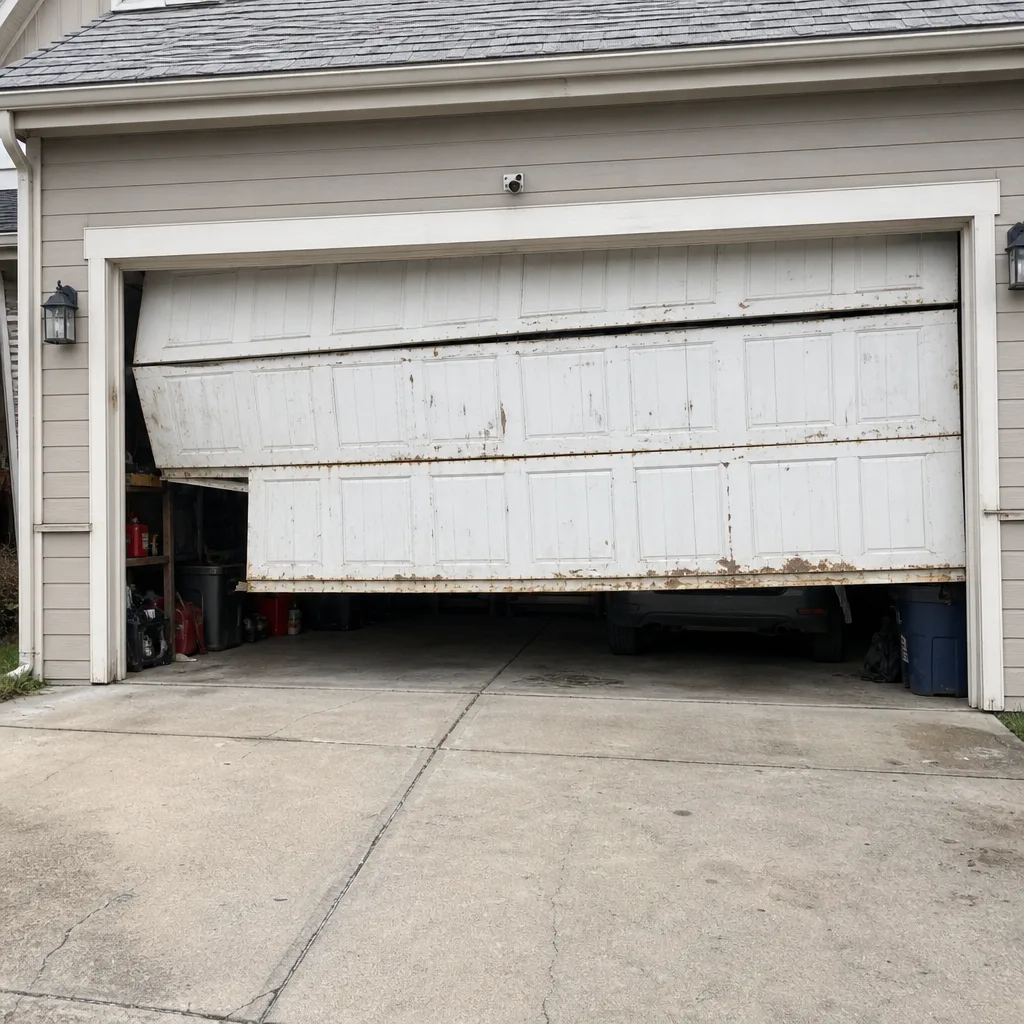 Before
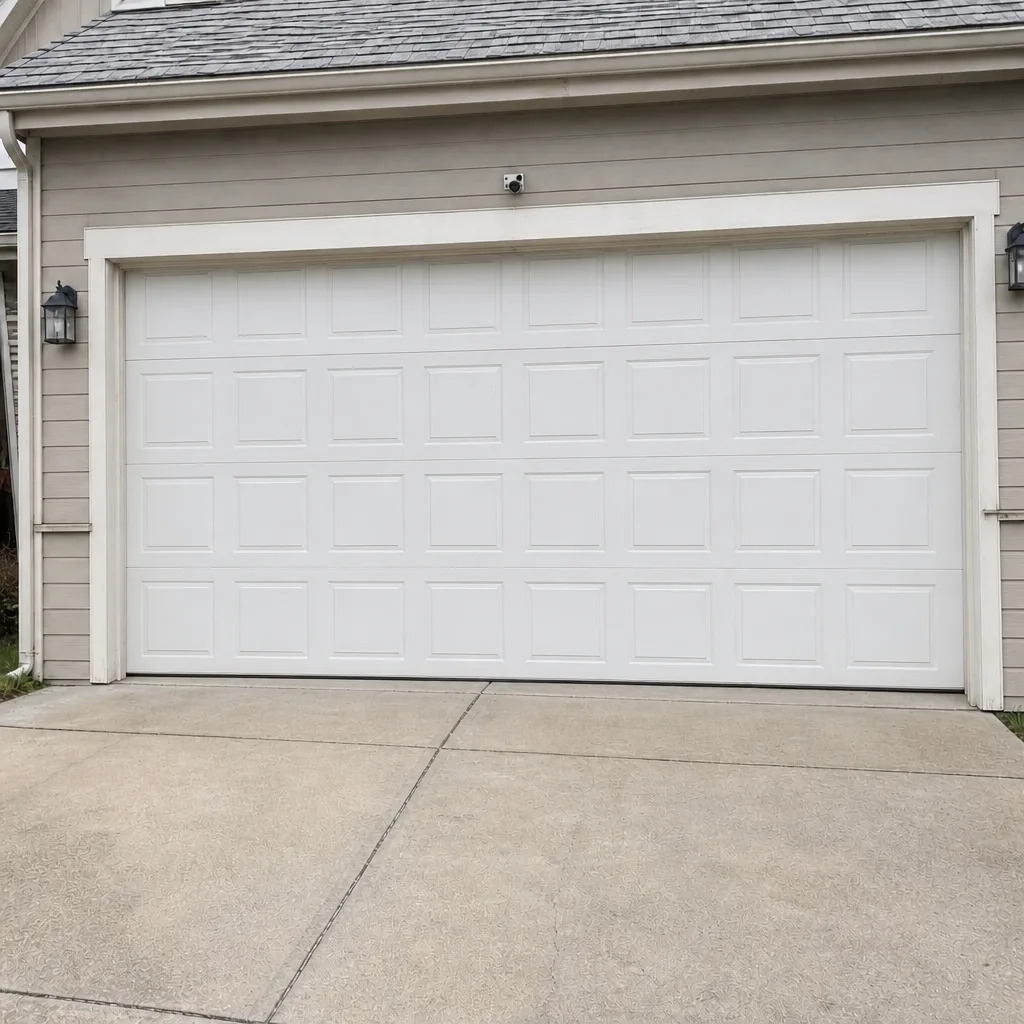 After
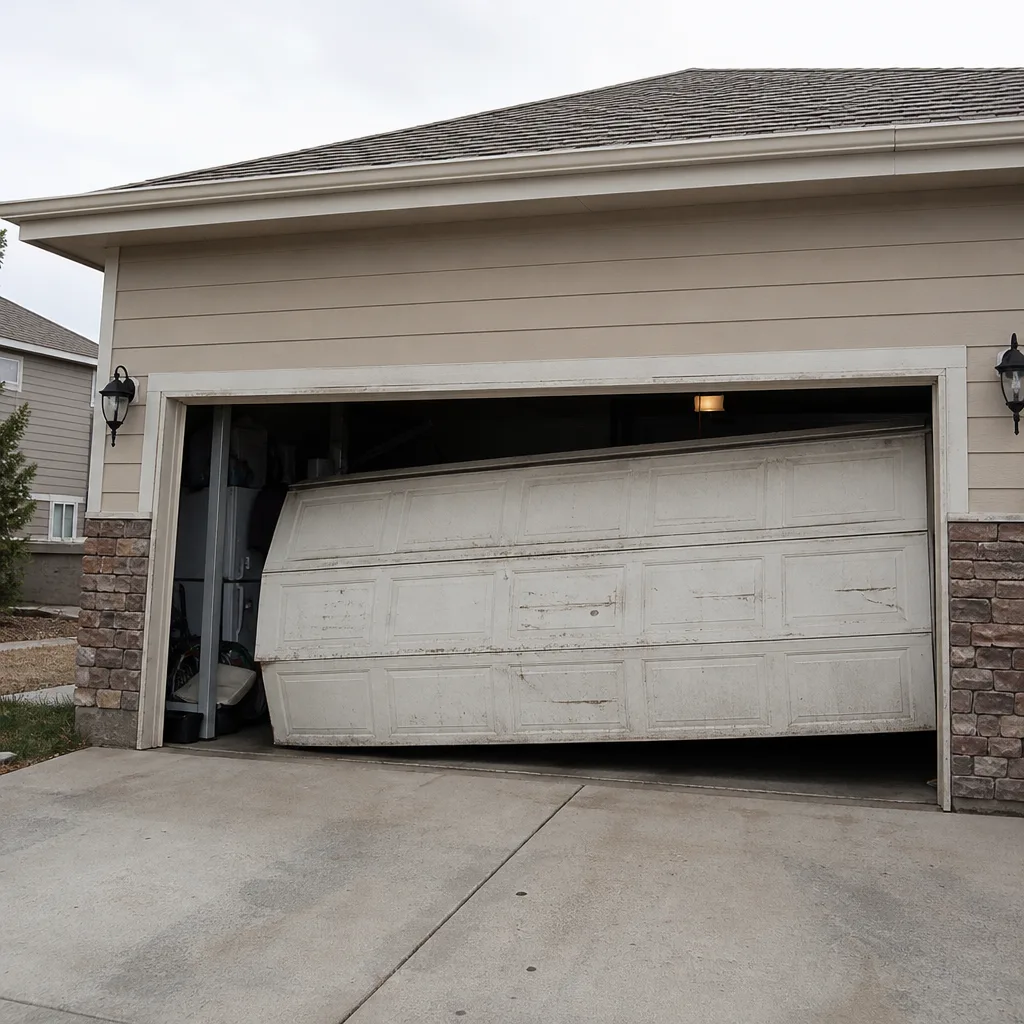 Before
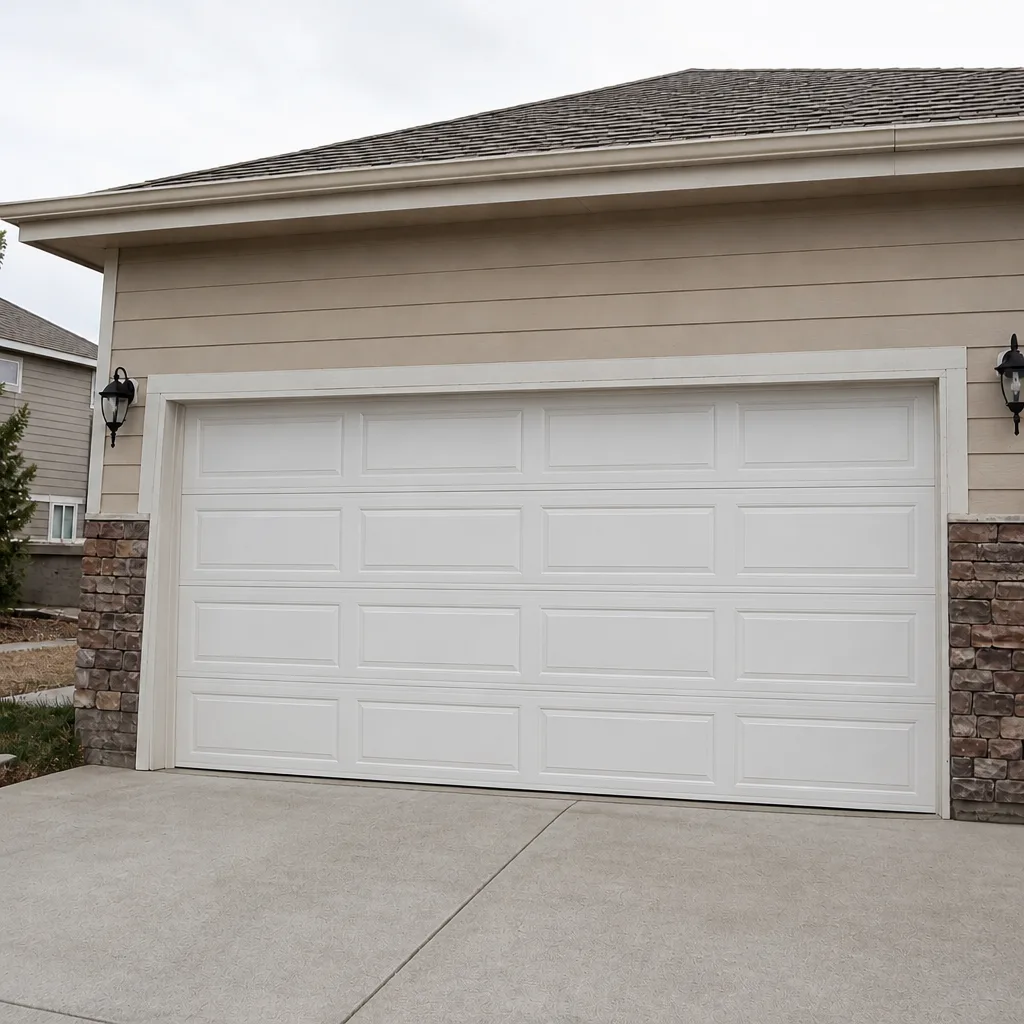 After
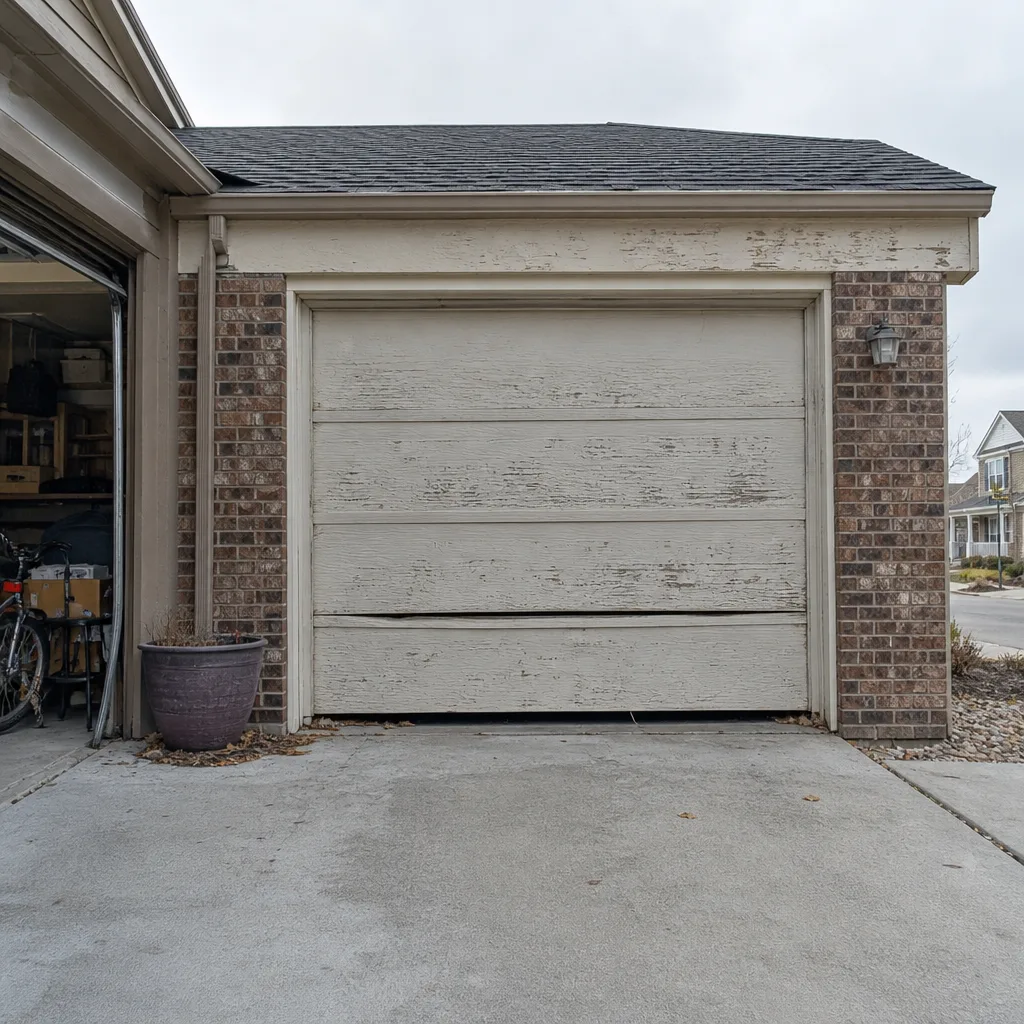 Before
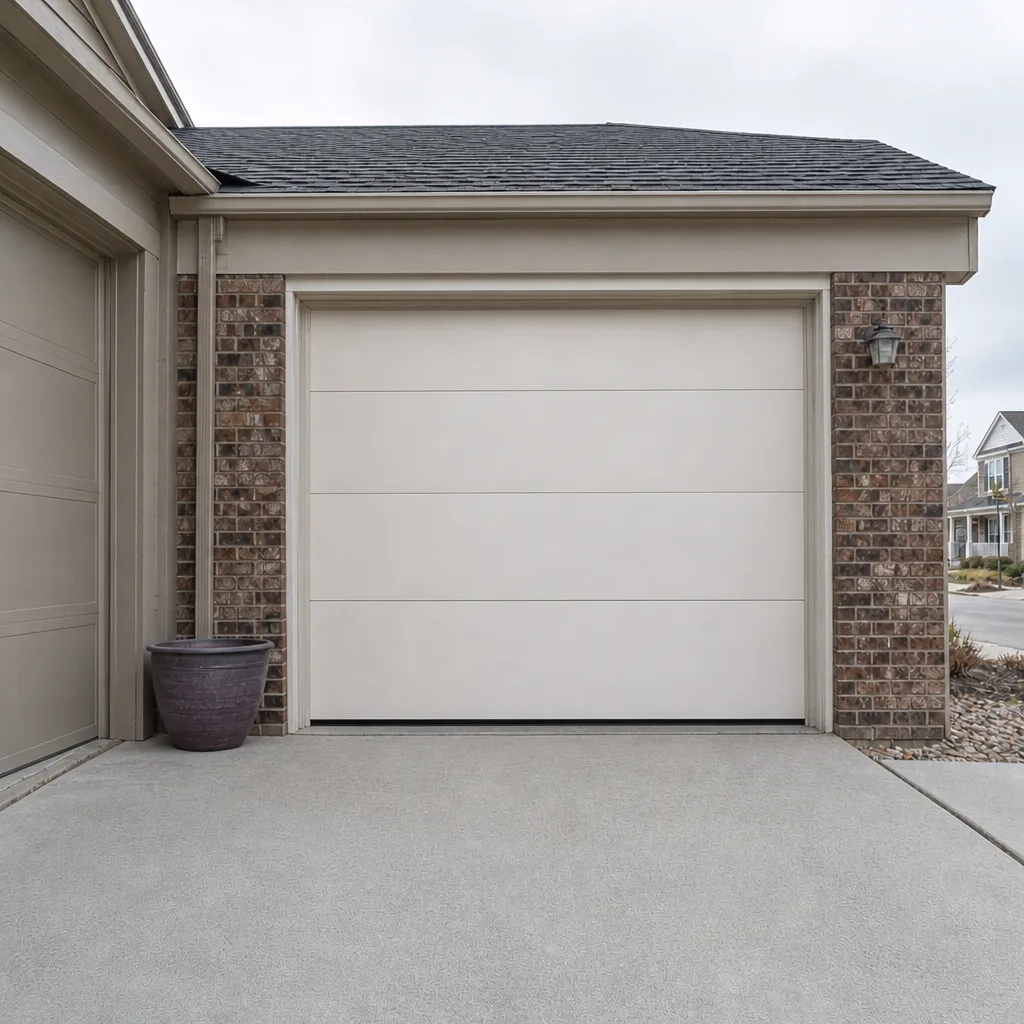 After
Common Mistakes to Avoid
- Treating spring adjustment as a DIY project. Garage door springs store hundreds of pounds of energy, and the wrong move can cause serious injury. This is a job for a trained technician, not a weekend project – a mistake here can cost far more than a repair.
- Skipping October because the door still works. A door that runs fine in October can fail in December, and the failure usually happens on the coldest morning of the year. Pre-winter adjustments are cheap; emergency winter repairs aren’t.
- Ignoring the March thaw. Freeze-thaw cycling is the most damaging seasonal force on Murphy Creek garage doors, and a track that’s off by a fraction of an inch in March can fail entirely by May.
- Over-greasing the tracks. A light coat of garage-door-specific lubricant is enough. Heavy grease collects dust and grit, which is exactly what you don’t want in a dry summer.
- Repainting a dark door a lighter color to “fix” thermal expansion. The sticking problem is almost always track play or balance, not paint. Repainting is fine for appearance but won’t solve a mechanical issue.
- Assuming the opener is failing when the door is the problem. On a heat-sink garage, symptoms that look like opener failure are often door balance or track problems in disguise. Diagnose both before replacing an opener.
- Buying a generic seal or roller to save money. Fitting the right part for your door matters more than the part price – an incorrect seal on a Wayne Dalton or Raynor door can leave gaps that make the problem worse. That’s why we make parts available directly, sourced to fit the specific door model.
When to Call a Professional
Some seasonal care is genuinely DIY – lubrication, visual inspection, cleaning tracks, testing balance. Other tasks are not. Call a professional if any of the following is true:
- The balance test shows the door sagging, dropping hard, or refusing to stay halfway.
- You hear a loud snap or bang from the spring area (even if the door still opens – a broken spring can hide).
- The door comes off its track, binds, or runs at an angle.
- You see a visible gap at the bottom seal after the October reseal.
- The opener reverses on its own, hesitates on cold mornings, or runs hot in summer.
- You’ve had the door for several years and never had a professional inspection.
Garage Door Repair Murphy Creek offers free estimates in Murphy Creek – call (855) 658-4235. Our technicians have up to 11 years of experience working across LiftMaster, Chamberlain, Genie, Clopay, Amarr, Wayne Dalton, Craftsman, and Raynor systems, and we handle everything from a snapped spring to a full new door. If your door needs replacing rather than repairing, we also handle garage door installation.
Frequently Asked Questions
Twice a year is the baseline minimum – once in October for the pre-winter protocol and once in March after the freeze-thaw cycle. Add a quick monthly check during the summer months for dust and UV exposure, and a spot check whenever the temperature swings hard. If your door is more than several years old or you’ve never had it professionally inspected, start with a professional check on the balance and spring tension before anything else.
That’s thermal expansion on a dark-colored door. The panels expand in the heat and can bind against the track, especially on south- or west-facing doors. It’s usually a track-play or balance issue, not a failing door. Call (855) 658-4235 for a free estimate and we’ll check the track and balance before you spend money on anything else.
That’s almost always a torsion spring breaking. The cold can push a fatigued spring past its limit, and the snap is the coil letting go. Don’t operate the door after hearing it – a broken spring leaves the door unsupported and dangerous. Call (855) 658-4235 right away for spring repair.
Yes, lubricating hinges, rollers, and track joints is safe and recommended. Use a garage-door-specific lubricant (not heavy grease) and apply a light coat – over-lubricating collects dust. For the lock cylinder, use graphite or silicone, not grease. Never attempt to adjust spring tension yourself – that’s a job for a trained technician.
Most bottom seals last several years, but the sun exposure and freeze-thaw cycle here can shorten that. Check the seal in October and again in March – if it’s cracked, chalky, or leaves gaps, replace it before the cold season starts. Call (855) 658-4235 for a free estimate on seal replacement.
Not if it’s installed correctly and balanced with the door. The main source of opener stress is heat-sink dynamics in an attached garage – the motor runs in a space that swings hot in summer and cold in winter. If your opener hesitates in the cold or runs hot in summer, the first step is a professional check of both the door and the opener, not a replacement. Call (855) 658-4235 for a free estimate.
The Bottom Line
Murphy Creek garage door care comes down to three checkpoints, not four identical seasons. A cold-entry protocol in October – balance test, spring check, bottom seal, lock cylinder lubrication – gets your door through the winter. A March freeze-thaw check catches the small track and hinge problems before they compound. And a summer clean-and-lubricate pass handles UV, thermal expansion, and dust. Everything else is maintenance on top of those three. If you build the calendar into your year, you’ll spend far less time and money on emergency repairs than the average homeowner – and your door will last longer because of it.
If you’d like a professional to walk through your Murphy Creek door before the next seasonal window, call (855) 658-4235 for a free estimate. Our technicians have up to 11 years of experience working on the door and opener brands you actually own, and we’ll tell you honestly what needs attention now and what can wait.
Written by the team at Garage Door Repair Murphy Creek.