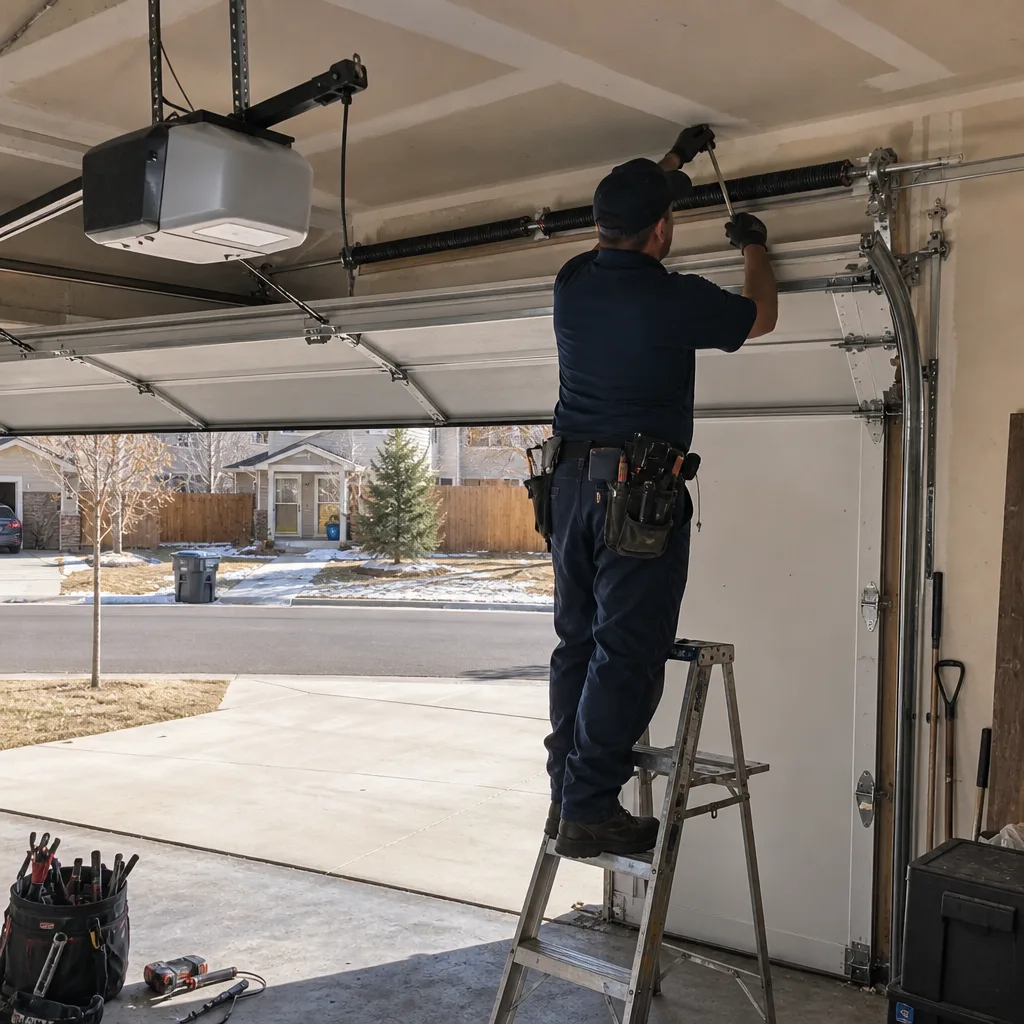
Last updated November 20, 2026
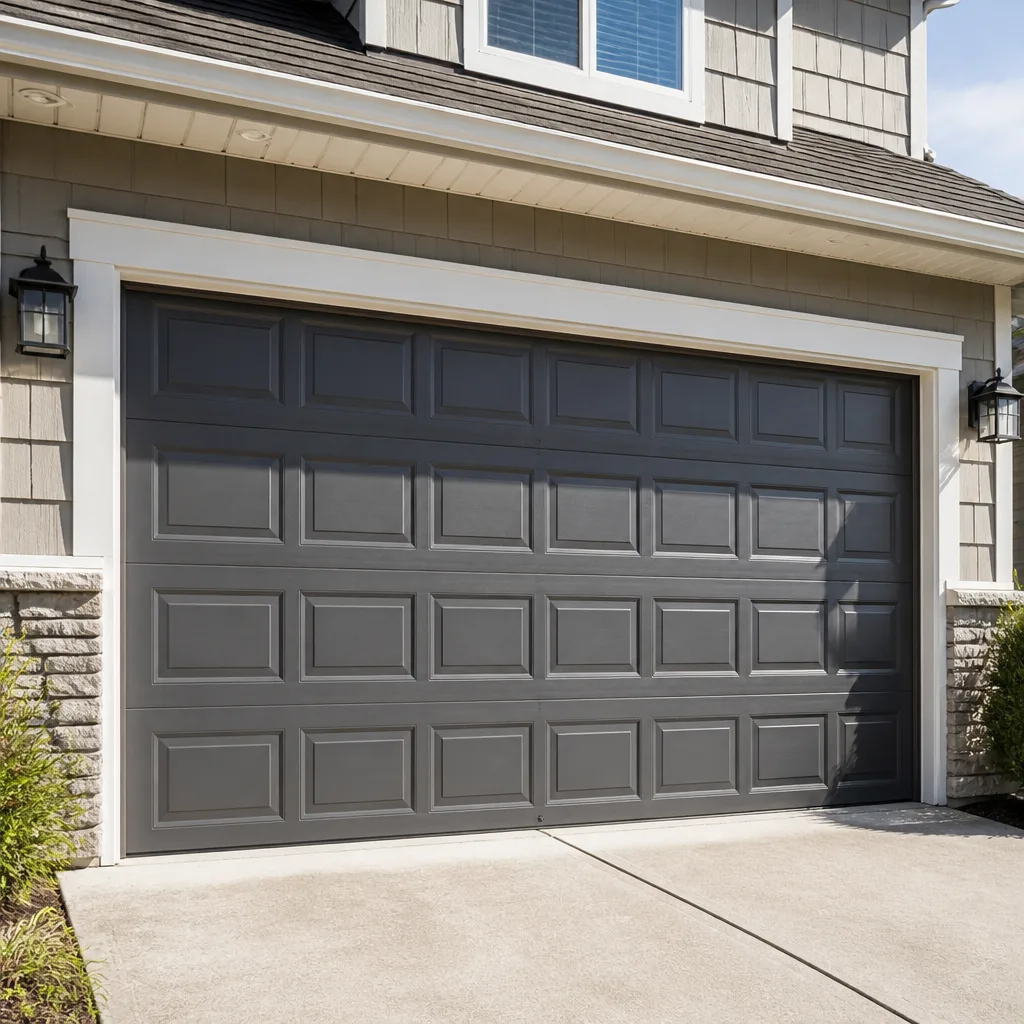 Raised-panel steel
 Carriage house
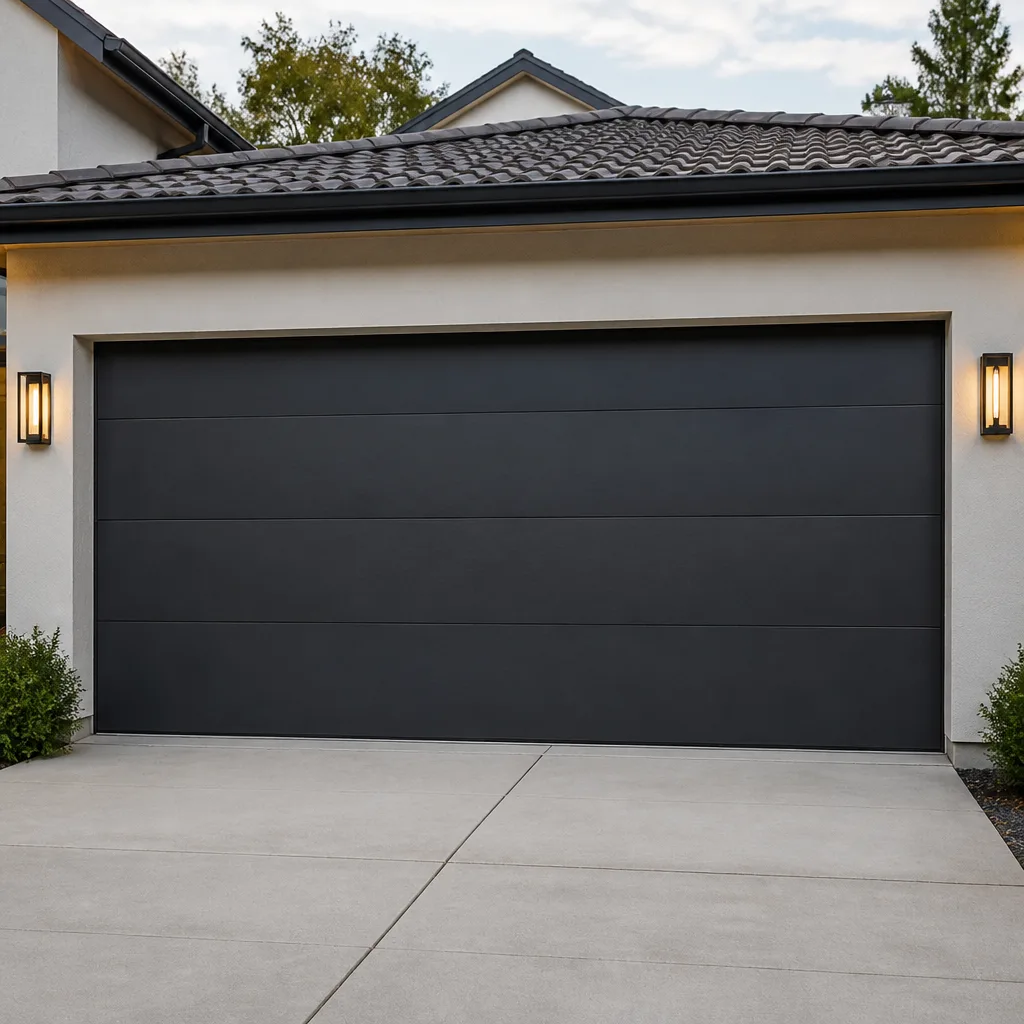 Modern flush
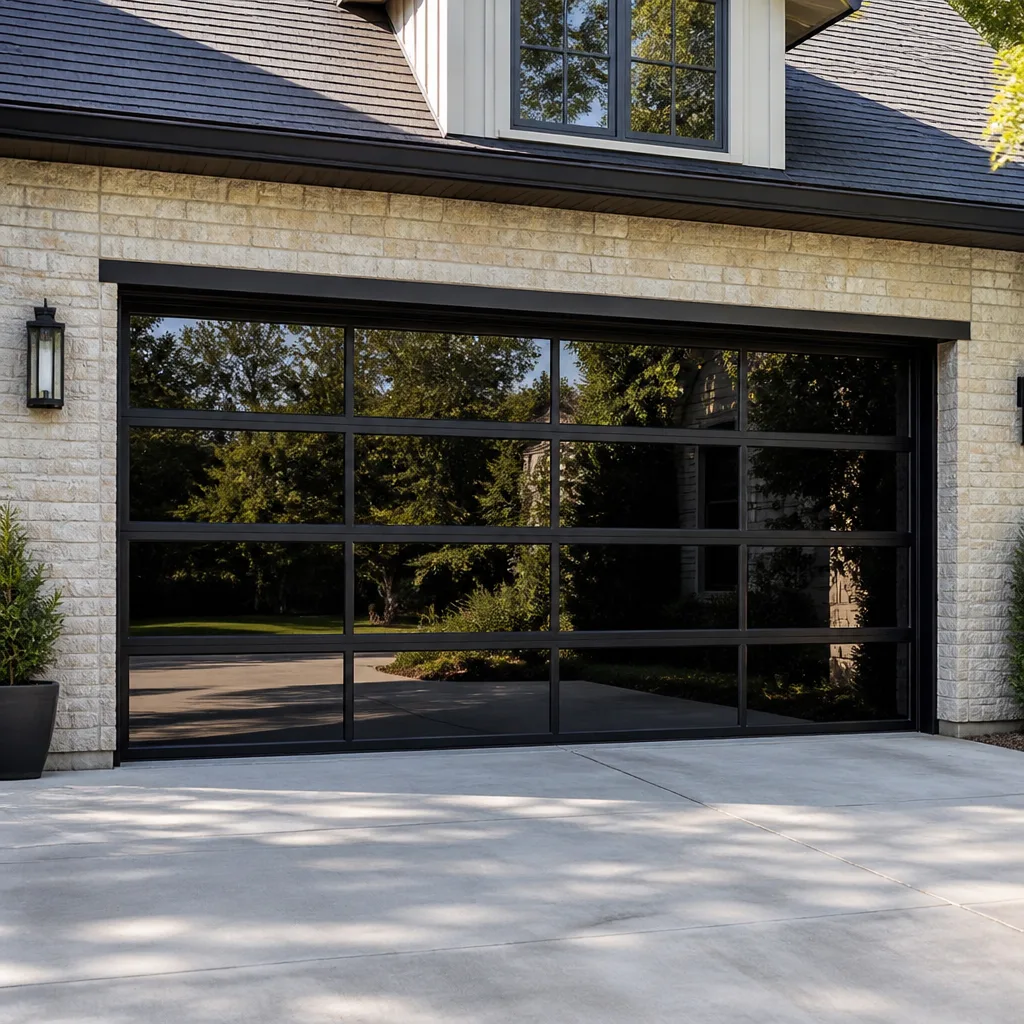 Full-view glass
 LiftMaster openers
 Chamberlain openers
Full 25-point door and opener safety check with every visit - springs, cables, rollers, tracks, and your LiftMaster or Chamberlain opener included
You get a price before we start. It does not change when the pro arrives.
Get your free estimateGarage Door Warning Signs: A Murphy Creek Homeowner’s Reference Guide
Most garage doors don’t fail without warning. They tell you something is wrong first, usually for weeks, through a sound that’s slightly off, a slow spot in the travel, or a visual change you walk past every day without registering. The reason people miss those signals isn’t carelessness. It’s that nobody ever told them what “normal” looks like for their specific door, so they have no reference point to compare against. A grinding noise during the last few inches of closing isn’t the door settling into the concrete; it’s often a roller wearing through its nylon sleeve, and a scored track can turn a small part into a bigger repair. This guide gives you the specific signals to listen for and watch for, what each one means at the component level, and, just as important, which signs are a watch-and-monitor situation and which are a call-today situation. It’s written for Murphy Creek homeowners who depend on their door every single day.
Quick Answer
The core warning signs of a failing garage door are unusual sounds (squealing, grinding, popping, rattling, banging), visible changes (frayed cables, a gap forming in a spring, worn rollers, stress cracks in panels), and changes in movement (slowdowns, hesitations, a door that sags on one side, or one that reverses on its own). Squealing and minor rattling are usually watch-and-monitor items. A popping sound, a visible spring gap, a frayed cable, or a door that drops or reverses are call-today signals, because they point to a safety-critical component that has already started to fail.
Styles & brands we work with
- Raised-panel steel
- Carriage house
- Modern flush
- Full-view glass
- LiftMaster openers
- Chamberlain openers
Table of Contents
- Why Garage Door Warning Signs Matter in Murphy Creek
- The Sound Chart: What Each Noise Tells You
- Visual Warning Signs by Component
- Movement Signals: Slowdowns, Hesitation, and Reversal
- How Colorado’s Temperature Swings Change What You See
- Watch-and-Monitor vs. Call-Today: The Clear Line
- Why the Right Part for Your Door Matters
- Simple Habits That Catch Problems Early
Why Garage Door Warning Signs Matter in Murphy Creek
Your garage door is the largest moving object attached to your house. It cycles open and closed more times in a year than any other mechanism you own, and it does that work under constant spring tension and across a range of temperatures that would wear out most hardware faster than people expect. Because the door is so familiar, it’s easy to stop noticing it. The sound it makes becomes background noise.
That familiarity is exactly why problems get missed. In our experience working on doors throughout Murphy Creek, the majority of expensive failures we see started as a small, cheap-to-fix symptom that was dismissed as “normal.” A cable that’s just beginning to fray, a roller that’s lost its outer sleeve, a spring that’s developed a small gap: each one is a quiet signal. Left alone, each one leads to a bigger repair than it needed to be.
There’s also a safety dimension that’s easy to underestimate. The springs and cables on your door store and release a large amount of energy every time the door moves. When those components fail, they fail suddenly and with force. This guide teaches you to recognize the signs early, not to service those components yourself. High-tension springs and loaded cables are genuinely dangerous, and adjusting or removing them is a job for a trained professional.
Knowing what to look and listen for puts you in control. You’ll know when something is a minor nuisance and when something needs attention today. That’s the whole point of this reference guide for Murphy Creek homeowners.
The Sound Chart: What Each Noise Tells You
A garage door makes a predictable set of sounds when it’s healthy: a steady motor hum, the soft roll of wheels in the track, and a firm stop at the end of travel. Anything outside that pattern is telling you something. Here’s how to translate the five most common noises into a specific component to check.
- Squealing or high-pitched whine. Usually dry or worn rollers, a lack of lubrication on the hinges and track, or a torsion spring that’s starting to bind. This is the most common and least urgent of the warnings. Lubricating the moving parts will quiet a healthy door, but if the squeal comes back quickly, it’s pointing to metal-on-metal wear that needs a closer look.
- Grinding. This one gets misread as the door “settling.” Grinding typically means a roller has worn through its nylon or steel sleeve and the bare shaft is scoring the track, or a bearing at the end of the torsion tube has dried out. Because a damaged track affects the alignment of the whole door, this is a case where a small, inexpensive part can cause a much larger repair if ignored.
- Popping. A sharp pop, especially during opening or at the start of a cycle, is a red flag for a torsion spring that’s cracked or about to break, or a cable that’s jumped its drum. This is a safety signal, not an annoyance. Stop cycling the door and have it looked at by a professional.
- Rattling. Loose hinge screws, a loose bracket, or worn bearing plates will rattle as the door travels. Rattling is often a watch-and-monitor item, but a rattle that develops suddenly after the door takes a hit can mean a bent panel or a loosened track anchor.
- Banging. A heavy bang at the bottom of travel means the door is hitting the floor harder than it should, or the opener is slamming it shut. This stresses the panels and the opener’s drive gear and usually signals an opener adjustment problem, a failing limit switch, or a door that’s out of balance.
One quick test: open and close the door and simply stand still and listen for a full cycle. Most people have never done that with their own door. It’s the fastest way to build a baseline so you’ll recognize the moment something changes.
Visual Warning Signs by Component
Sounds are half the story. A slow walk around the door with a flashlight will reveal the other half, and this is where homeowners can safely catch problems early. We work on the industry’s most widely installed systems, and the visual failure patterns are fairly consistent across brands, whether you have a Raynor, a LiftMaster opener, or a door built from Clopay panels. Here’s what to look at and what each sign means.
- The springs. On a torsion spring (the horizontal one mounted above the door), look for a visible gap forming in the coil. A gap means the spring is cracked and ready to break. On extension springs (the two springs running parallel above the tracks), look for stretched coils or a spring that’s pulled out of shape. Both are signs the spring has reached the end of its working life.
- The cables. Look at where each cable winds onto its drum and runs down the side of the door. Fraying shows up as a fuzzy or “birdcaged” texture where individual wire strands have broken. A frayed cable can snap, and cables are under enough tension to cause serious injury. Do not handle or adjust them.
- The rollers. Each roller should turn freely and sit squarely in the track. A worn roller will look flat-spotted, chipped, or loose in its bracket, and you may see metal shavings or dark scoring in the track channel.
- The panels. Check for fine hairline cracks radiating out from the hinges or from a stress point. Small cracks in a steel door may seem cosmetic, but they concentrate stress and can grow with every cycle. Dented or bent panels can also throw off the door’s balance.
- The track. The track should be smooth and straight. Look for dents, kinks, or a section that’s pulled away from the frame. A door that runs in a damaged track puts extra strain on the rollers and the opener.
- The hardware. Loose hinge screws, missing bolts, and worn brackets are easy to spot and cheap to fix. A bracket that’s starting to tear away from the panel is more serious and should be looked at promptly.
If you find a frayed cable, a spring gap, or a cracked spring, treat the door as unsafe until a professional inspects it. Those components are exactly where a trained technician earns their keep.
Movement Signals: Slowdowns, Hesitation, and Reversal
How the door moves can tell you as much as how it sounds. A door that was smooth last month and now hesitates, lags, or reverses is signaling a mechanical or opener problem. Watch for these behaviors:
- Slowdowns or laboring. If the opener seems to strain to lift the door, the door may be out of balance, the springs may be losing tension, or the opener’s drive gear may be wearing. A balanced door should lift easily with manual effort when you engage the release.
- Hesitation at a specific spot. A door that pauses at the same point every cycle usually has a bind in the track, a bent section, or a roller that’s hanging up. That pause repeats and gets worse over time.
- One-side sag. When one corner of the door lags behind the other, a cable may be slipping on its drum or one of the two springs is doing more work than its partner. This is a safety concern because the door is no longer lifting evenly.
- Reversal or a door that won’t stay down. If the door reverses shortly after starting to close, the safety sensors may be misaligned, or the opener’s travel limits may be wrong. If the door reverses on its own with no obstruction, or the opener strains during the close cycle, that can point to a failing limit switch or a door binding in the track.
- A door that won’t open or close all the way. This usually traces to a limit setting on the opener, a stripped gear in the drive, or a spring that can no longer support the door’s weight. Trying to force a door that won’t operate can damage the opener and the panels.
Movement problems are where the distinction between “annoying” and “dangerous” gets blurry. A hesitant door is often a watch item; a door that sags or reverses on its own is a safety signal. When in doubt, call a professional who can check the balance and the opener together.
How Colorado’s Temperature Swings Change What You See
National garage door guides are written for an average climate, and that average doesn’t describe Murphy Creek. The temperature swings here are wide, and they do real things to your door’s hardware and its behavior. Knowing how cold and heat change what you see keeps you from misreading a warning sign.
Cold-weather tightness. When temperatures drop, metal contracts slightly, lubricants thicken, and the door can feel stiffer or move more slowly than it does in summer. A door that grinds or hesitates on a cold morning and runs fine by afternoon is often showing you seasonal tightness, not a failed component. The trick is to check whether the symptom disappears as the day warms or whether it stays put. A symptom that persists through the warm part of the day is a real mechanical issue.
Spring tension in the cold. Steel springs lose some of their responsiveness in extreme cold, and a spring that’s already near the end of its life is more likely to snap during a cold snap. That’s why a spring gap is a bigger warning in winter than it might seem in July. If you notice a gap in the coil, have it looked at before the next cold morning.
Heat and expansion. In summer, the wooden frame around the door and the steel panels expand, and a track that was perfectly aligned in winter can shift just enough to cause binding or rattling. A door that starts rubbing the weatherstrip in July but didn’t in January is often showing you thermal expansion rather than a bent panel.
Dust and grit. The dry air and windblown grit around Murphy Creek work their way into the track and the roller bearings. A gritty track causes grinding and squealing that has nothing to do with a worn part, which is why a quick check of the track for debris is worth doing before you assume the worst.
The takeaway for Murphy Creek homeowners: note when a symptom appears. A cold-morning noise that clears by mid-morning is usually seasonal. A noise that shows up regardless of temperature is telling you a component is on its way out.
Watch-and-Monitor vs. Call-Today: The Clear Line
Not every warning sign needs a same-day call. Knowing which is which saves you money and keeps you safe. Here’s the clearest way we can draw the line.
Watch-and-monitor signs
- Squealing or light rattling that quiets briefly after lubrication
- Minor stiffness on cold mornings that clears as the day warms
- A little dust or grit in the track that you can sweep out
- Loose hinge screws you can tighten yourself
- Opener light or remote issues that don’t affect door travel
Call-today signs
- A visible gap forming in a torsion spring, or a broken spring
- A frayed or “birdcaged” cable
- A door that drops, slams, or falls out of balance
- A sharp popping sound during a cycle
- A door that sags on one side or reverses on its own
- The opener straining, smoking, or making a grinding noise from the motor housing
- The door off its track or hanging unevenly
The rule of thumb is straightforward: if a warning sign involves a spring, a cable, a door that won’t move safely, or the opener struggling to lift the door, stop using the door and have it looked at by a professional. Those components store energy or support the door’s full weight, and a failure there can cause injury. If the sign is a noise, a minor wobble, or a bit of grit that responds to cleaning, you can usually watch it for a short while. If it gets worse, move it to the call-today column. When you’re not sure, call and describe what you’re hearing and seeing; a phone conversation is free and can tell you a lot.
Why the Right Part for Your Door Matters
Here’s something most homeowners never think about until a repair goes sideways: your garage door is a system of matched parts, and the wrong part can undo a good repair. A roller that’s the wrong size for the track will bind. A spring that’s rated for the wrong door weight will fail early. An opener that’s undersized for the door’s weight will strain from day one.
This is why brand-specific knowledge matters. We work on eight of the most-installed residential brands, including Raynor, LiftMaster, Chamberlain, and Genie, and we diagnose by brand-specific logic rather than guesswork. A Genie opener and a LiftMaster opener have different drive systems and different failure patterns; a Clopay or Amarr door may have panel profiles and hinge styles that need the exact matching part. When a repair depends on a component, having access to the correct OEM-compatible part means the fix is right the first time and you’re not waiting on a generalist to find “something that fits.” That’s what we mean by the right part for your door: fit and accuracy, not just convenience.
Parts availability also cuts down on downtime. If your door depends on a specific bracket, roller, or sensor, we can source the correct component. And because we handle repair, opener service, spring replacement, parts, and new installation under one provider, you’re not juggling several contractors to get one door working. We’re focused exclusively on garage doors, which is why we can tell the difference between a worn roller and a failing opener on the same visit.
If you’re coming to the end of a door’s life, our garage door installation service covers a full new system rather than a piecemeal repair. And for door travel, balance, or spring issues, our garage door repair team handles the full range from a snapped spring to a full new door.
Simple Habits That Catch Problems Early
Catching warning signs early is mostly a matter of routine. You don’t need to become a garage door technician to notice the things that matter. These habits take a few minutes and pay for themselves.
- Listen to a full cycle once a month. Stand still, open, and close. Compare the sound to last month. You’re building a baseline, and changes are what you’re after.
- Do a visual walk-around. With a flashlight, check the springs for gaps, the cables for fraying, the rollers for wear, and the track for scoring or debris.
- Check the balance. With the door closed and the opener disengaged (using the manual release), lift the door halfway and let go. A balanced door should hold roughly in place. If it drops or races up, the springs are out of balance and it’s time to call.
- Keep the track clean. Sweep out grit and dust, and lubricate the springs, hinges, and rollers with a garage-door-appropriate lubricant. Don’t over-lubricate the track itself, which can attract grit.
- Test the safety reverse. With the door open, place a small object in the door’s path and close it. The door should reverse on contact. If it doesn’t, the opener’s safety system needs adjustment.
- Note your opener’s model. Whether it’s a LiftMaster, Chamberlain, Genie, or an older Craftsman, knowing the model helps a technician diagnose faster and source the right part. Your garage door opener repair call goes better when you can name the system.
If you’d rather have someone check the whole system at once, our main Garage Door Repair Murphy Creek page is a good place to start.
Common Mistakes to Avoid
- Ignoring a grinding noise. Grinding is a worn roller or bearing, not the door settling. Left alone, it scores the track and turns a small part into a bigger repair.
- Trying to fix a spring or cable yourself. Springs and cables store a large amount of energy and can cause serious injury. This is a safety issue, not a casual DIY job, so call a trained professional.
- Assuming a cold-morning noise is a real failure. In Murphy Creek’s temperature swings, a door that’s stiff in the cold often runs fine by afternoon. Check whether the symptom clears with the day’s warmth before you assume the worst.
- Letting a small panel crack grow. Hairline cracks concentrate stress and spread with every cycle. Catching them early is cheaper than replacing a panel later.
- Buying the wrong replacement part. A roller or spring that doesn’t match your door’s weight or track size will fail early or cause binding. Match the part to your door and opener brand.
- Forcing a door that won’t move. If the opener strains or the door hangs, forcing it damages the opener and the panels. Call a professional instead.
- Skipping the once-a-month listen. Most warning signs are changes from a baseline. If you never listen for the baseline, you can’t notice when something is off.
See the difference
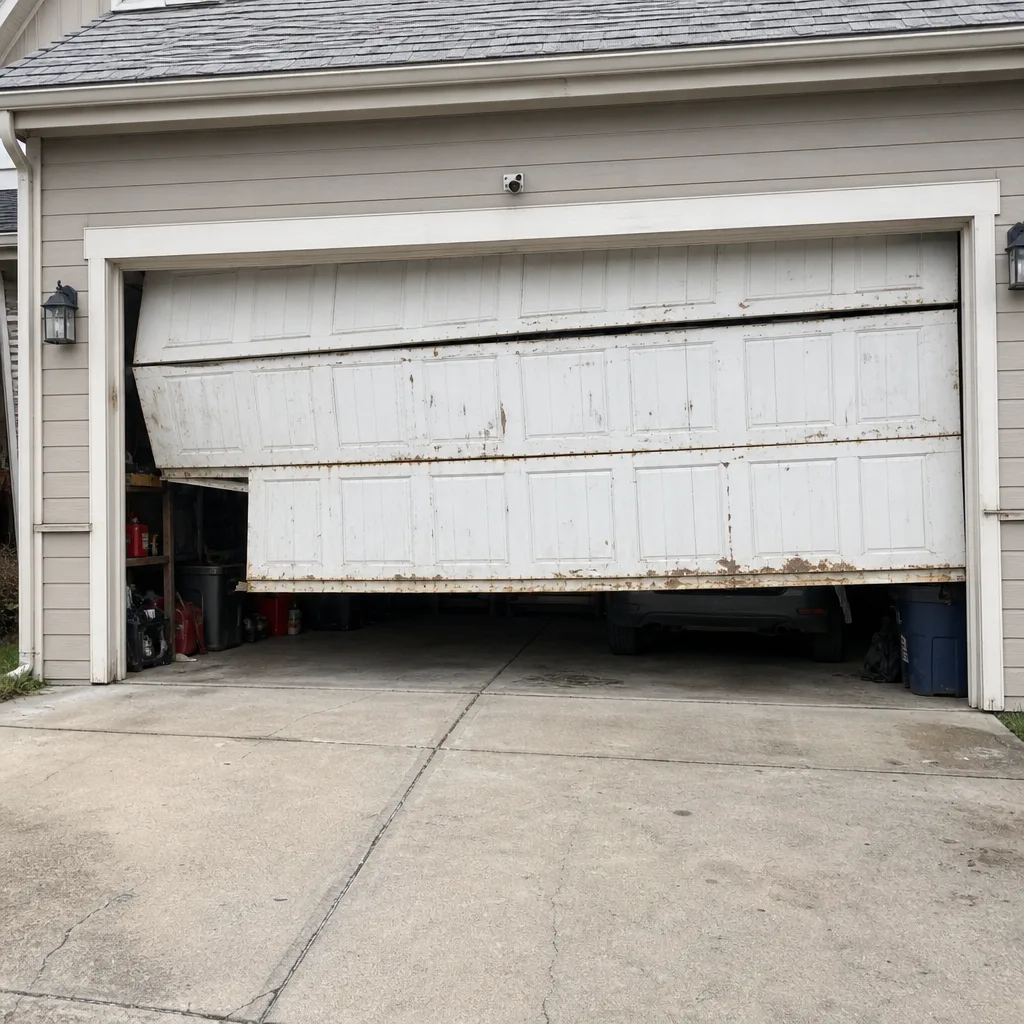 Before
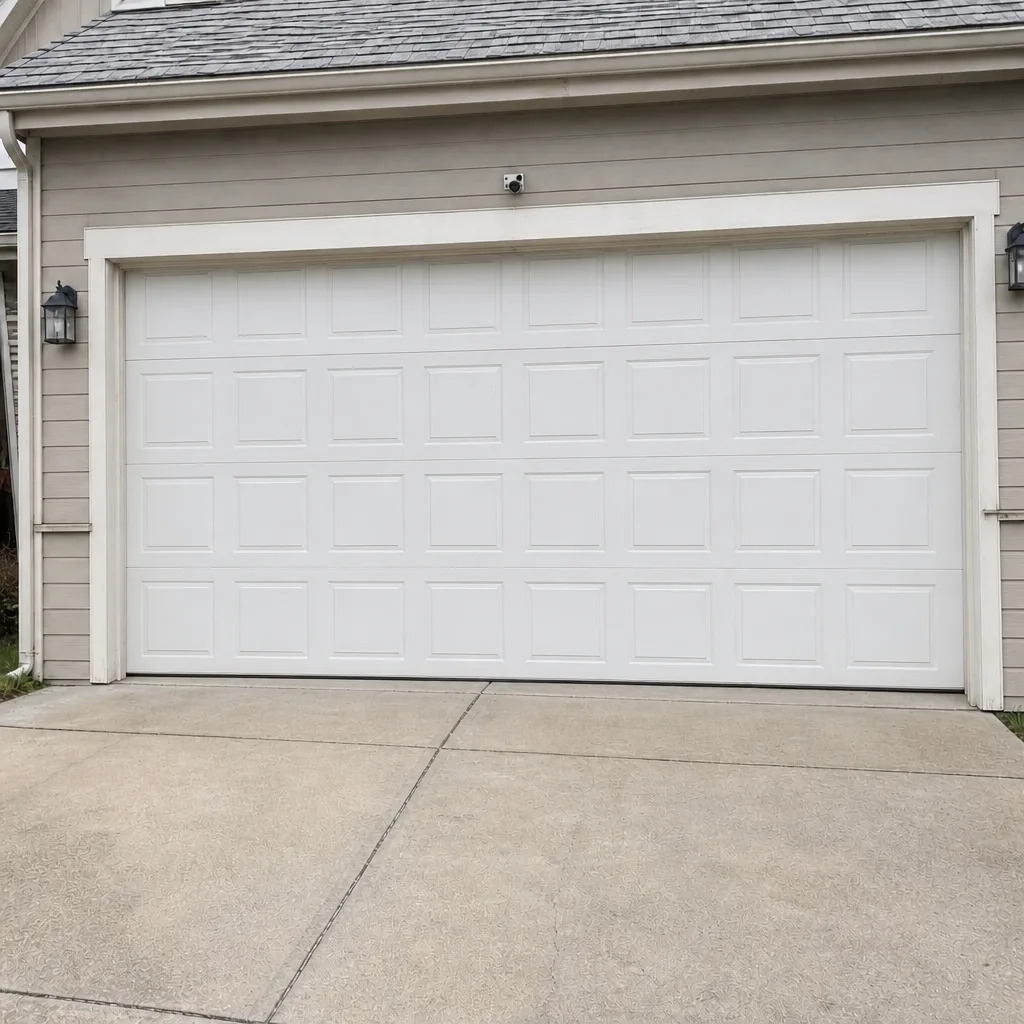 After
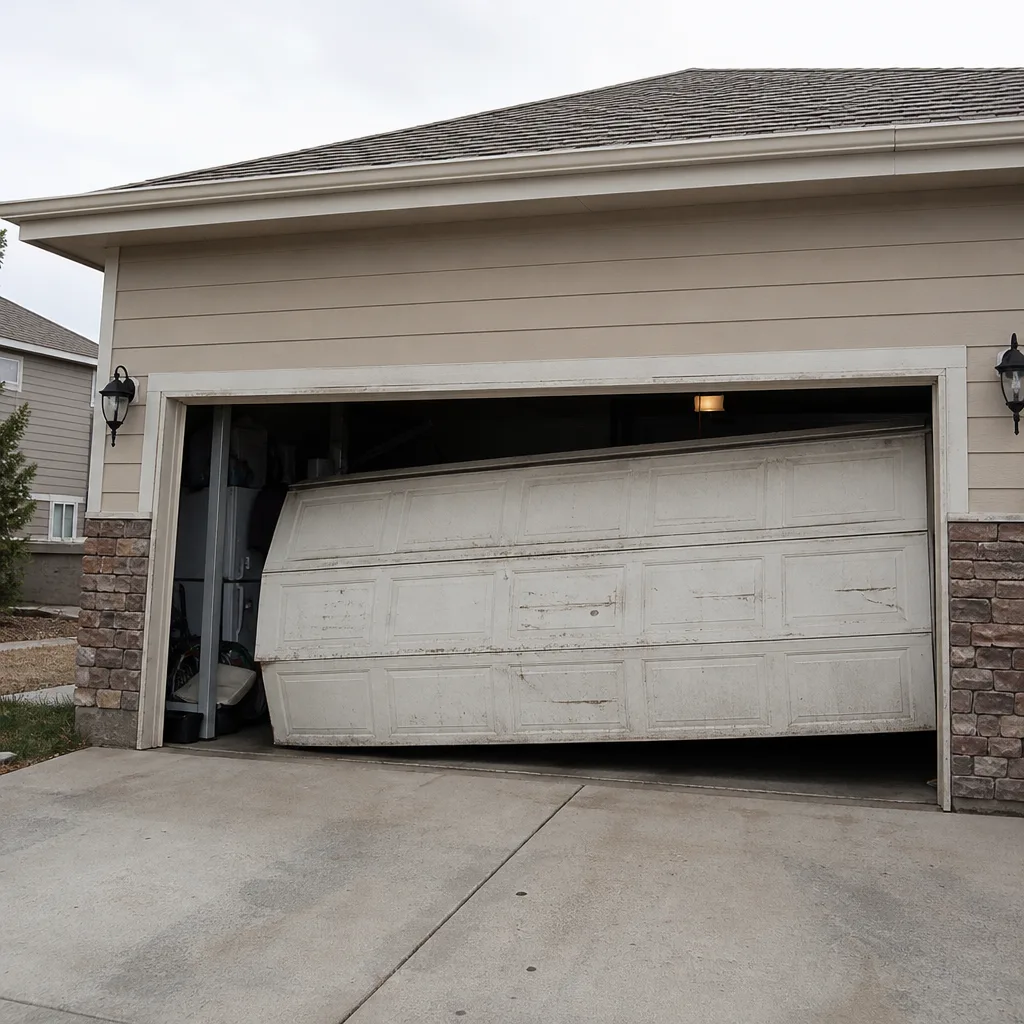 Before
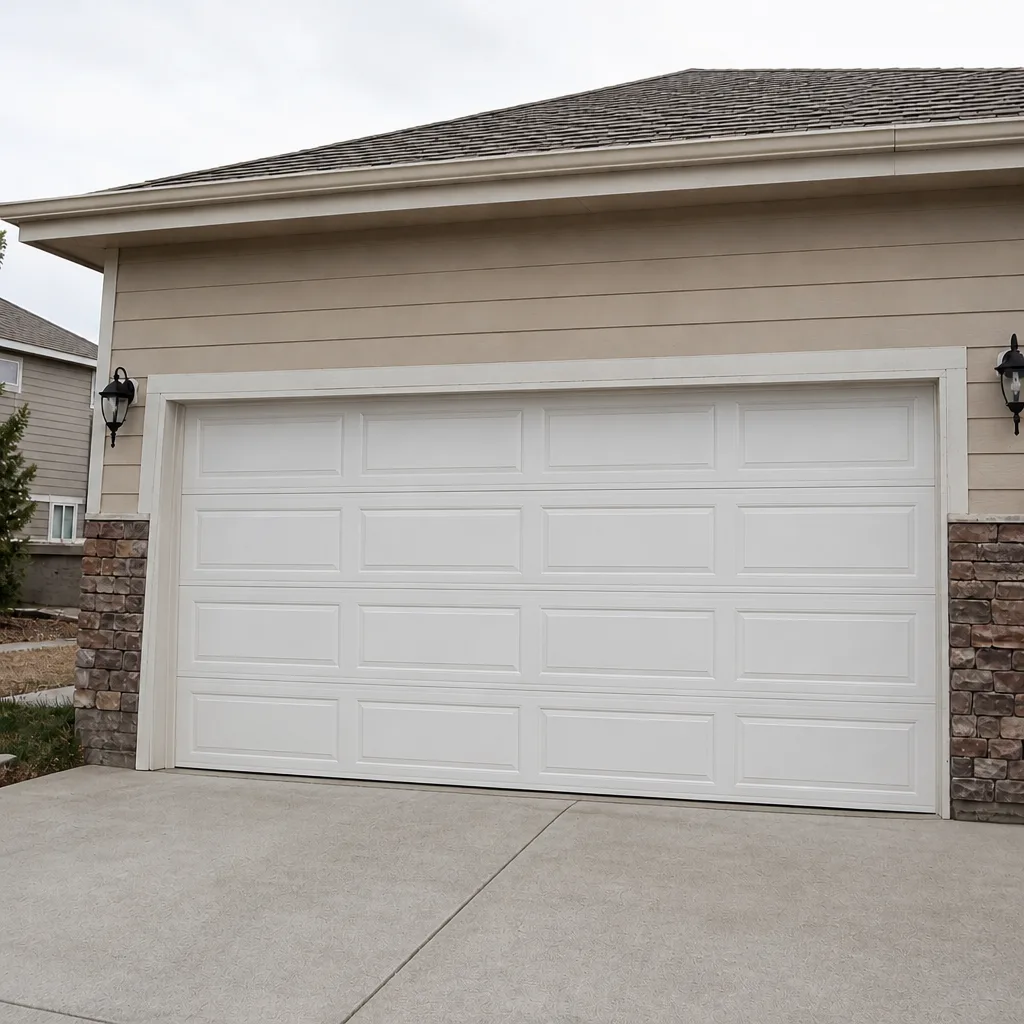 After
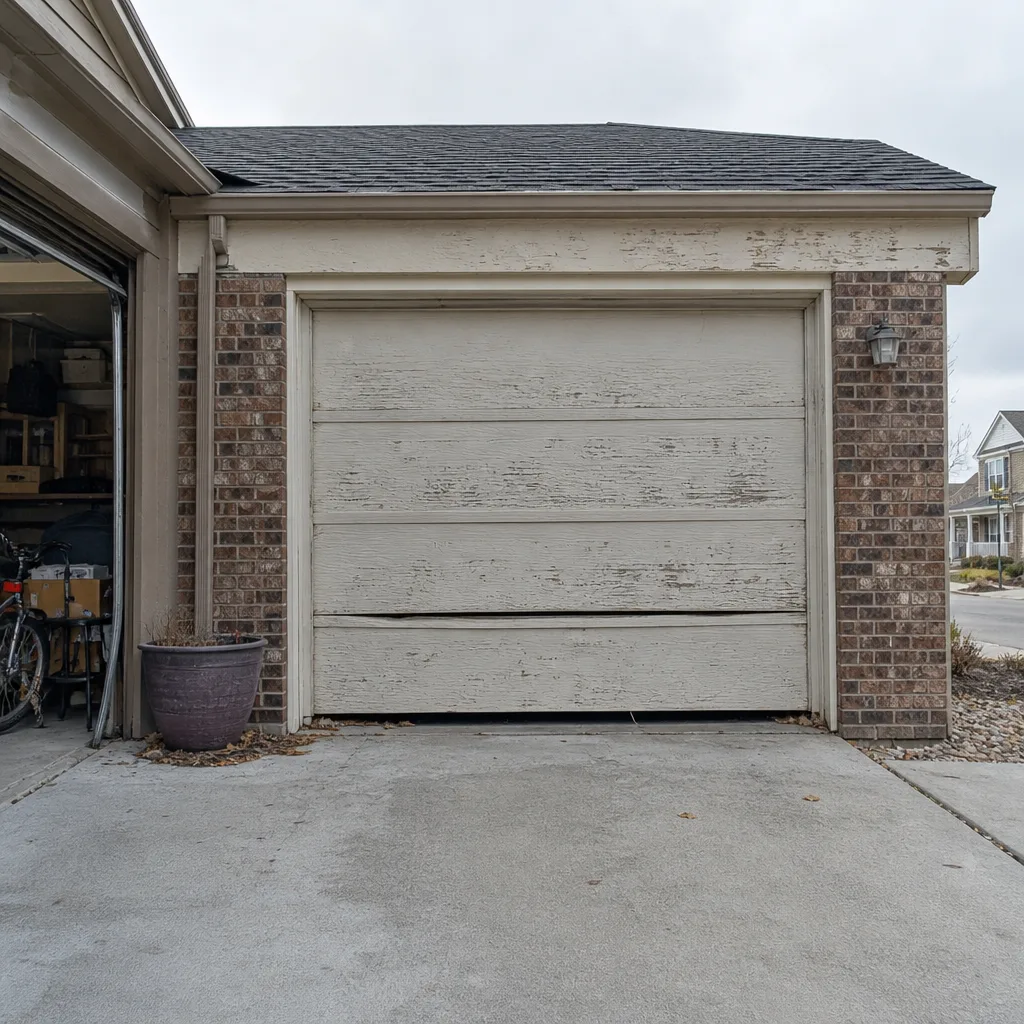 Before
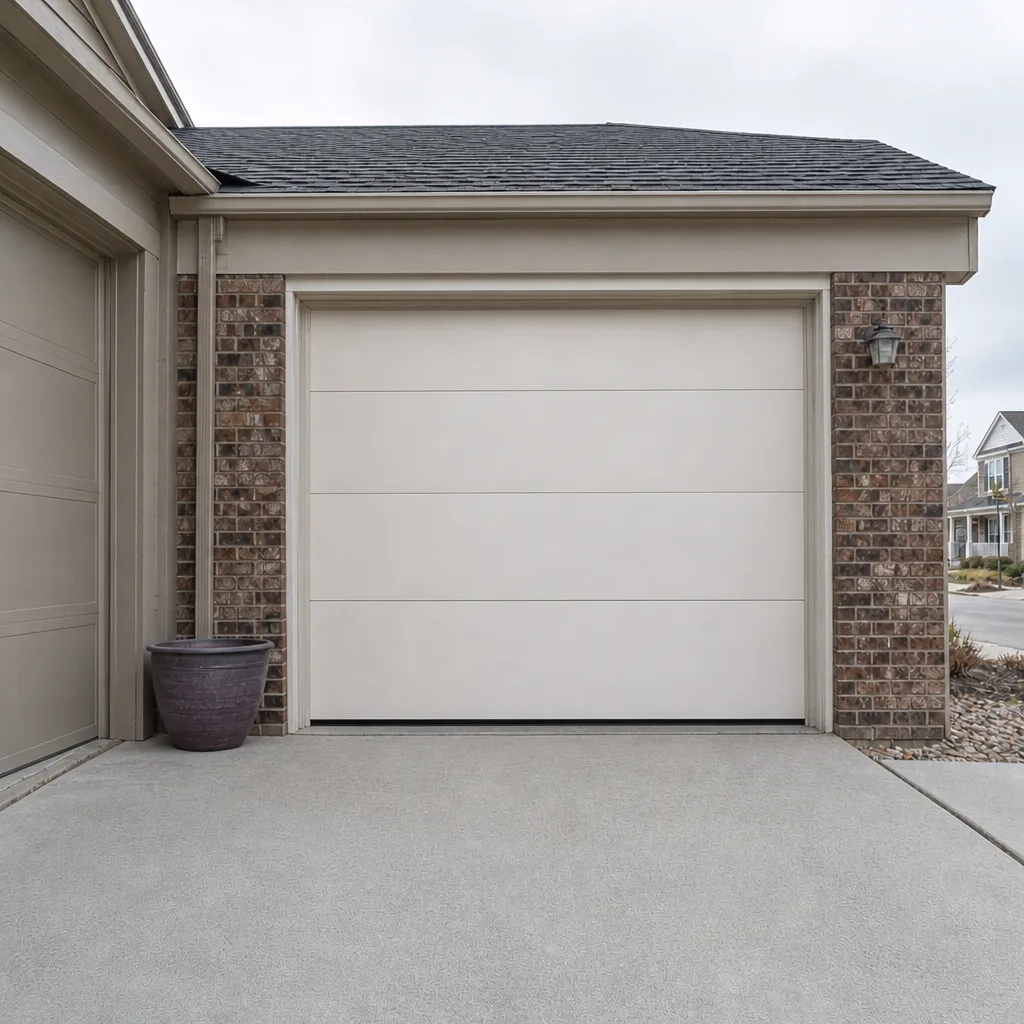 After
When to Call a Professional
Call a professional today if you see a gap in a torsion spring, a frayed cable, a door that sags or reverses on its own, a door off its track, or an opener straining or smoking. These are safety-critical scenarios where the door should be taken out of service until it’s inspected. Also call when a grinding or popping sound doesn’t clear, when a door won’t operate all the way, or when you’re simply not sure what you’re hearing. Springs and cables are the components we handle as a dedicated specialty, not a reluctant add-on, because they’re where safety matters most. Garage Door Repair Murphy Creek offers free estimates in Murphy Creek, and our technicians have up to 11 years of experience diagnosing both legacy and current systems. Call (855) 658-4235 and describe what you’re seeing and hearing.
Frequently Asked Questions
A visible gap forming in a torsion spring, a frayed cable, or a door that sags or reverses on its own are the most urgent, because they mean a safety-critical component has already started to fail. Stop using the door and call a professional. A sharp popping sound during a cycle is in the same category. Call (855) 658-4235 for an exact assessment. Estimates are free.
Grinding is usually serious enough to address quickly, because it typically means a roller has worn through its sleeve and is scoring the track, or a bearing has dried out and is running metal-on-metal. A scored track can turn a small part into a bigger repair. It’s not an emergency in the injury sense, but it belongs in the call-today column rather than watch-and-monitor. Call us for an exact quote; estimates are free.
Colorado’s temperature swings make metal contract and lubricants thicken, so a door can feel stiffer and move more slowly on a cold morning even when nothing has failed. If the sound and stiffness clear as the day warms, it’s usually seasonal tightness. If the symptom persists regardless of temperature, that’s a real mechanical issue worth checking. Call (855) 658-4235 if it doesn’t clear.
You can lubricate the springs, hinges, and rollers with a garage-door-appropriate lubricant, and that often quiets a healthy door. If the squeal returns within a few days, it’s pointing to metal-on-metal wear in a roller or hinge that lubrication won’t fix. Never lubricate a frayed cable or a spring with a visible gap; those need a professional. Call for an exact quote; estimates are free.
With the door closed and the opener disengaged using the manual release, lift the door halfway and let go. A balanced door should hold roughly in place. If it drops or races up, the springs are out of balance and it’s time to call. Don’t try to adjust the springs yourself, because they’re under high tension and can cause serious injury. Call (855) 658-4235 for an assessment.
No. The written estimate sets the final price, and we quote and agree the price before any work starts. That’s the standard we hold to, so you’re never looking at an invoice bigger than the quote. If the job turns out to be different than described on the phone, you’ll know before any work begins. Call (855) 658-4235 for a free estimate in Murphy Creek.
The Bottom Line
Garage doors telegraph their problems through sounds, movement, and visual changes, and the homeowners who catch them early are the ones who know their baseline. Squealing and light rattling are usually watch-and-monitor. A spring gap, a frayed cable, a door that sags or reverses, or a sharp pop are call-today signals. In Murphy Creek’s temperature swings, check whether a symptom clears with the day’s warmth before assuming the worst. And when a sign involves a spring, a cable, or a door that won’t move safely, stop using the door and call a professional.
Ready to have your door checked? Call Garage Door Repair Murphy Creek at (855) 658-4235 for a free estimate. Our technicians have up to 11 years of experience, we work on your brand whether it’s Raynor, LiftMaster, Chamberlain, or Genie, and we’ll quote and agree the price before any work starts.
Written by the team at Garage Door Repair Murphy Creek.