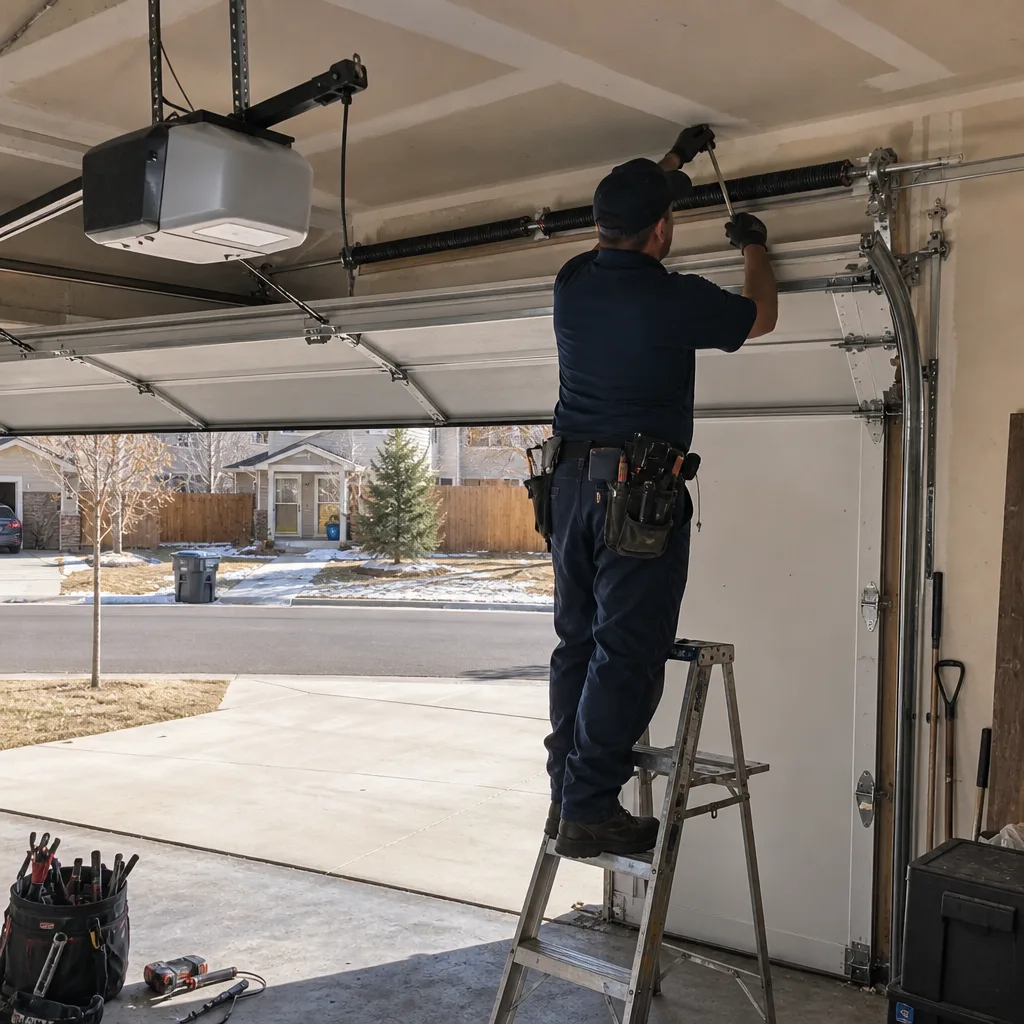
Last updated November 20, 2026
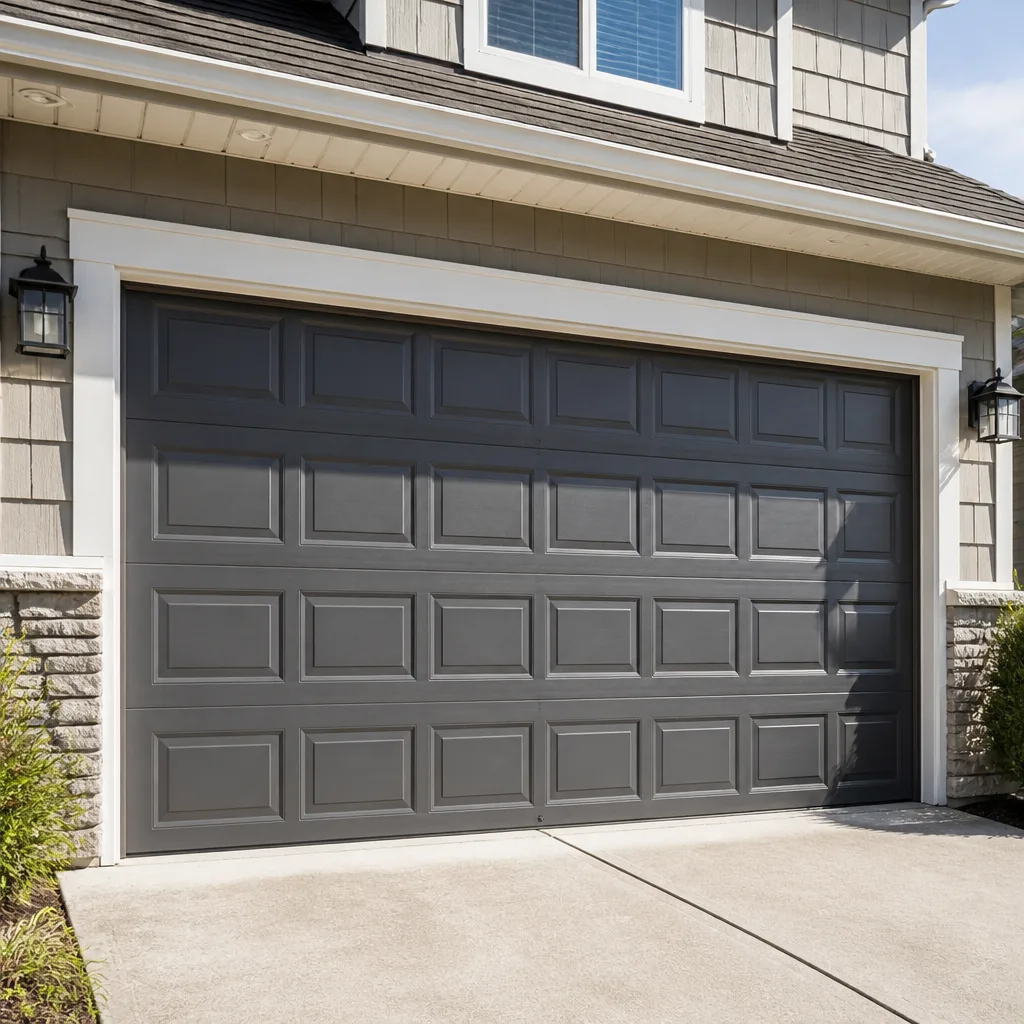 Raised-panel steel
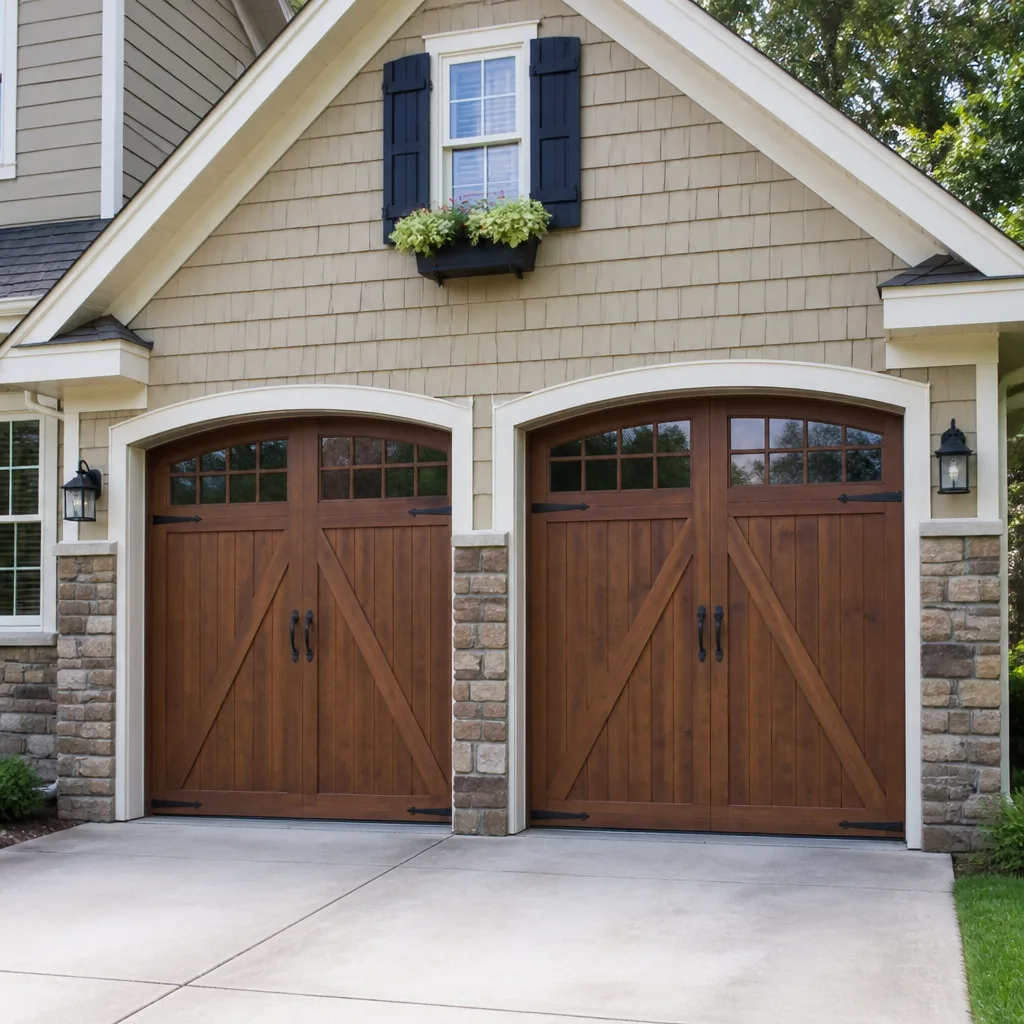 Carriage house
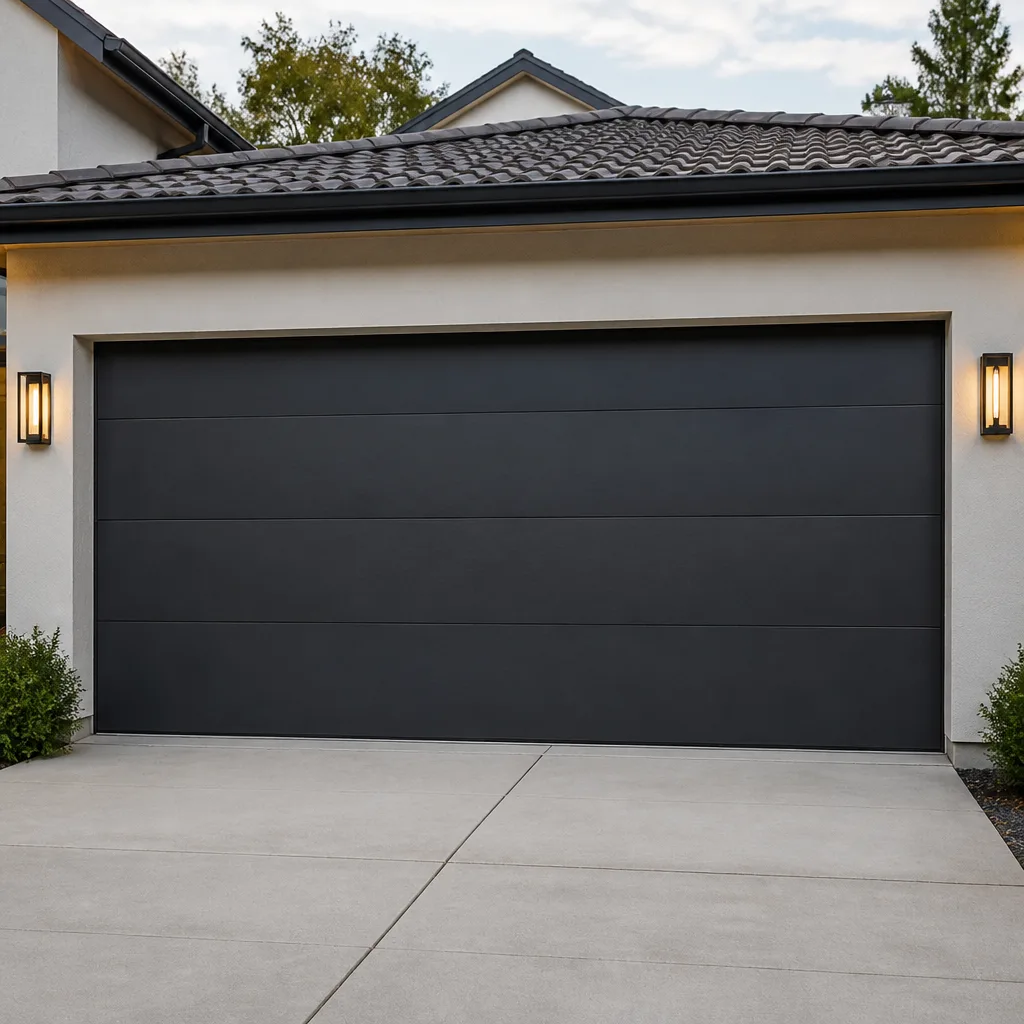 Modern flush
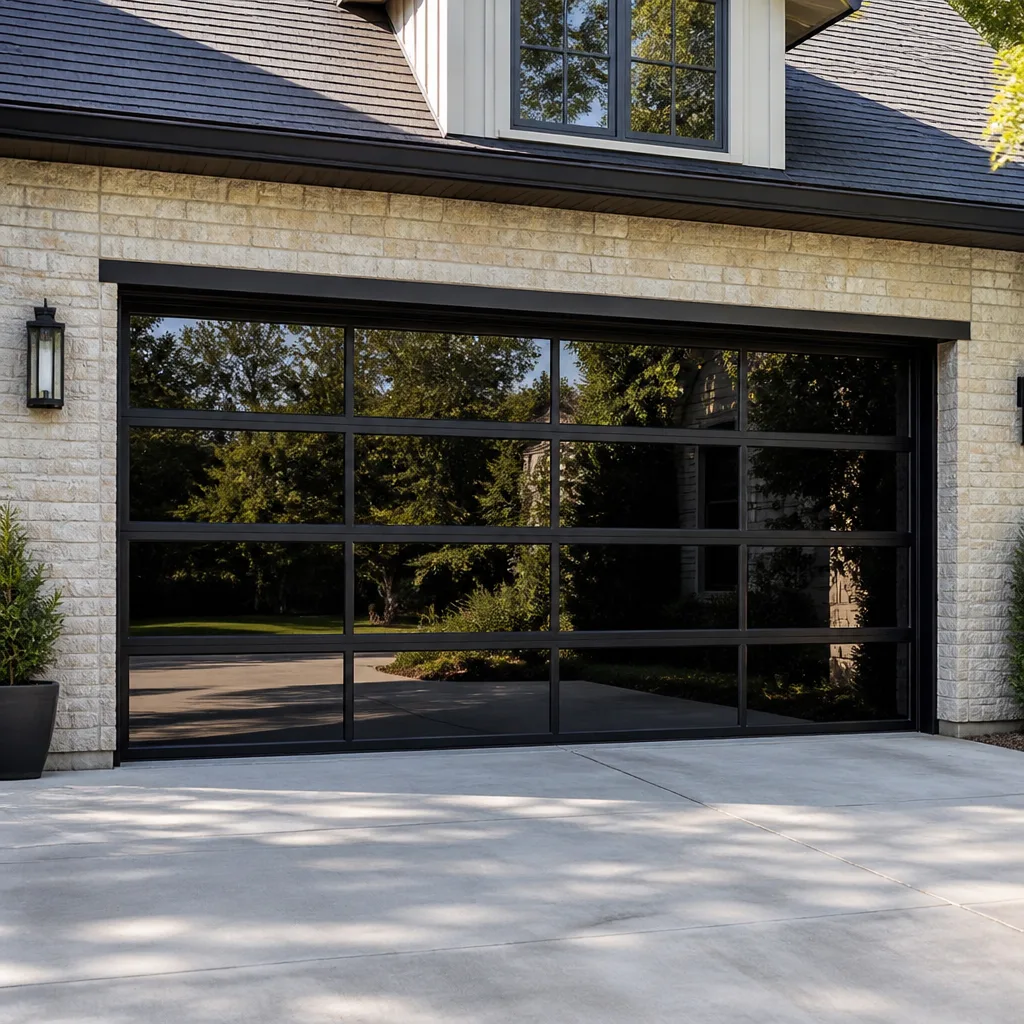 Full-view glass
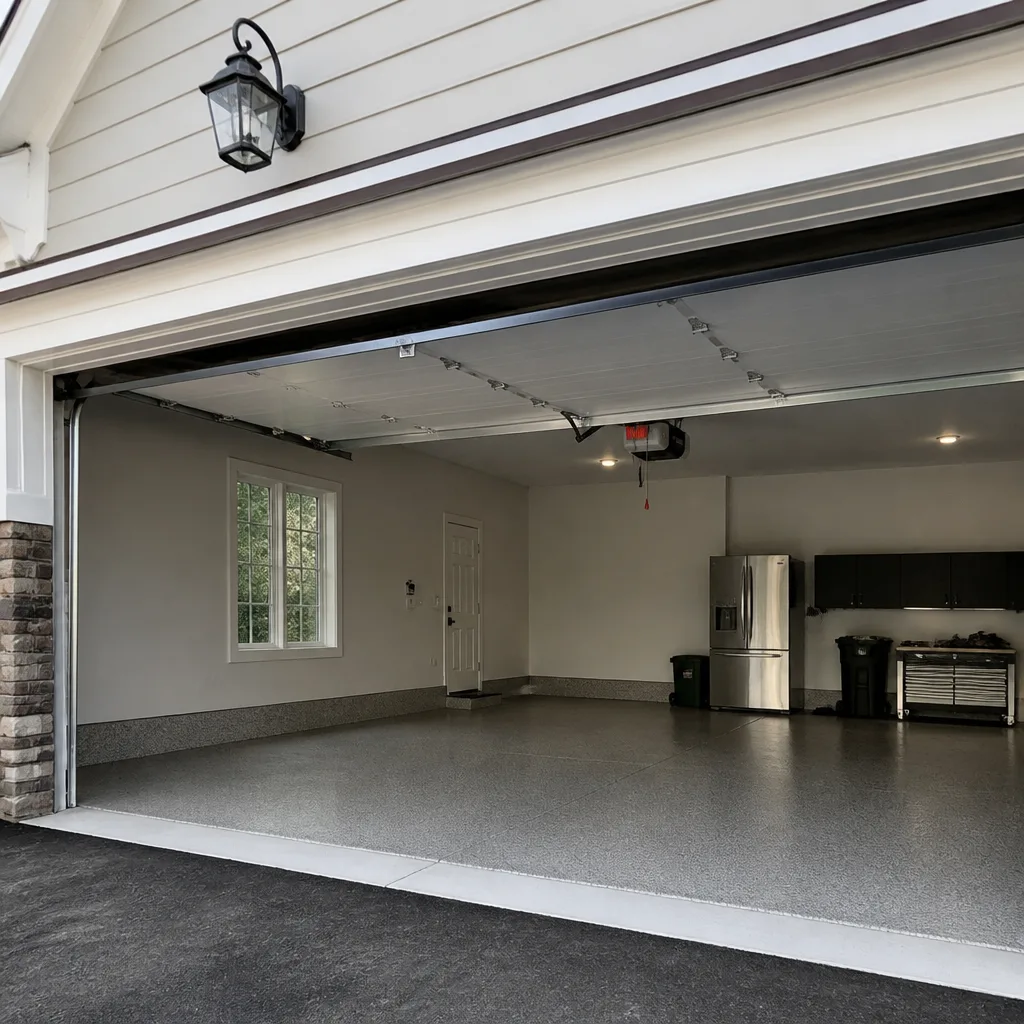 LiftMaster openers
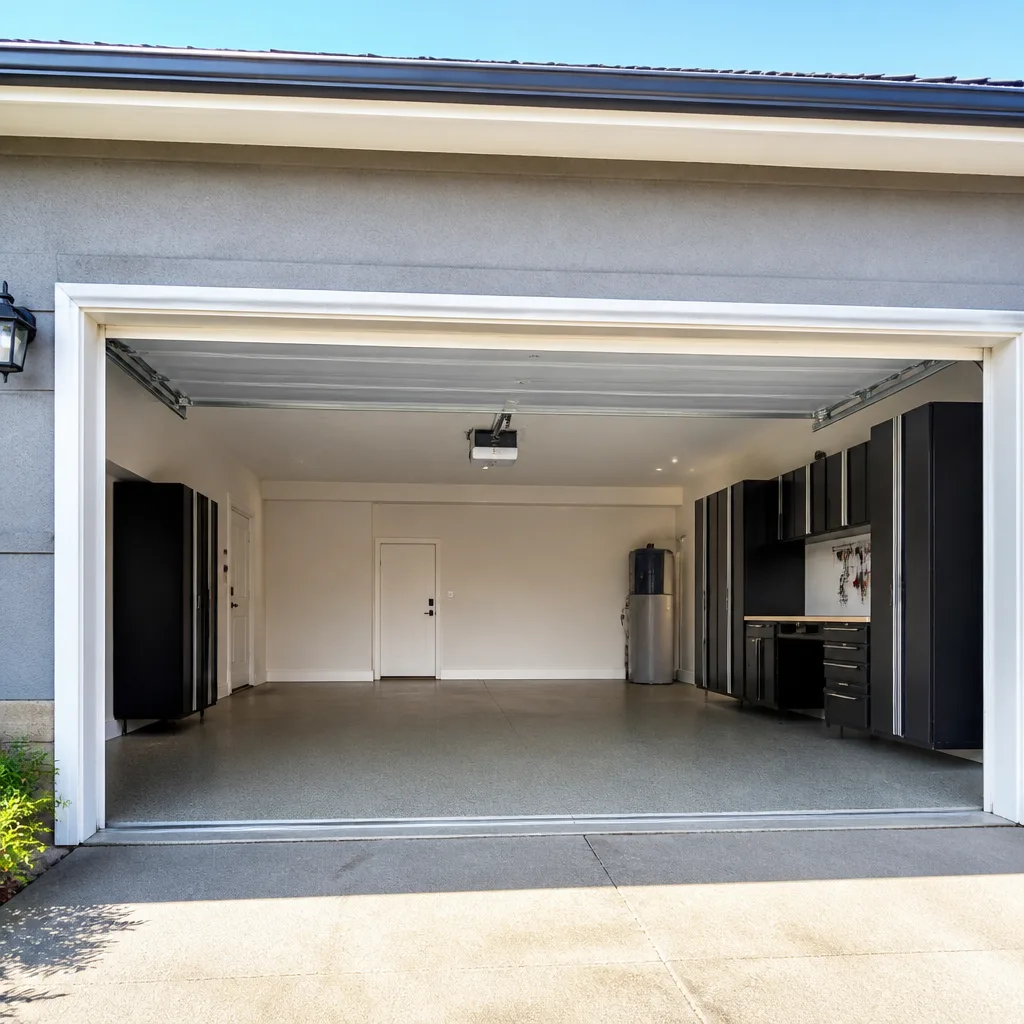 Chamberlain openers
Full 25-point door and opener safety check with every visit - springs, cables, rollers, tracks, and your LiftMaster or Chamberlain opener included
You get a price before we start. It does not change when the pro arrives.
Get your free estimateChoosing the Right Garage Door Brand: A Buyer’s Guide for Murphy Creek
The brand printed on a garage door panel tells you less about quality than the gauge of the steel, the cycle rating of the springs, and whether replacement parts are stocked within reach when something breaks – none of which appear on a showroom spec sheet. Most homeowners in Murphy Creek start their search by comparing brand names, and that’s the wrong first move. The right move is understanding the four numbers that decide how long a door lasts and how well it performs through Colorado’s swing between summer heat and hard winter cold. This guide walks through what those numbers mean, how to read a spec sheet like a technician, and how to match a brand to your actual house and climate.
Quick Answer
The best garage door brand for Murphy Creek is the one whose spec sheet matches your house: an insulated steel door in the 1.5 to 2 inch thickness range with a steel gauge of 24 or heavier, springs rated for the door’s real weight, and a parts network that can supply replacements without a long wait. For most attached garages here, Clopay and Amarr steel doors hit that mark reliably, while LiftMaster and Chamberlain own the opener side. Brand reputation matters less than these components – and less than whether the installer gets them right.
Styles & brands we work with
- Raised-panel steel
- Carriage house
- Modern flush
- Full-view glass
- LiftMaster openers
- Chamberlain openers
Table of Contents
- How Do You Read a Garage Door Spec Sheet?
- The Four Numbers That Actually Determine Quality
- Why Insulation R-Value Matters Differently in Murphy Creek
- Full-View Aluminum vs. Insulated Steel: A Decision Many Regret
- What Brands Are Actually Installed in Murphy Creek Homes?
- Dealer-Only Brands vs. Big-Box Brands: What Changes After the Sale
- Openers: LiftMaster, Chamberlain, Genie, and Legacy Craftsman
- How to Match a Brand to Your Specific Door and Home
How Do You Read a Garage Door Spec Sheet?
A garage door spec sheet is a technical document, and most of it is marketing. Buried inside are the real numbers, and they’re the ones a technician looks at first. Learning to separate them takes about ten minutes and saves you from buying a door that looks good and performs poorly.
Here’s what to skim past: phrases like “premium construction,” “engineered for durability,” “enhanced security,” and any adjective describing how the door “feels.” These mean nothing measurable. Now here’s what to find and note down:
- Steel gauge – the thickness of the steel skin. Lower numbers mean thicker steel. 24-gauge is standard; 25 and 26 gauge are thinner and dent more easily; 27-gauge doors exist but belong on light-duty applications.
- Insulation R-value – how well the door resists heat transfer. This ranges from about R-0 (uninsulated) up to R-18 or higher on premium doors.
- Spring cycle rating – how many open-and-close cycles the springs are rated for before replacement. Standard is 10,000. High-cycle springs run 20,000 or more.
- Wind load rating – the door’s tested resistance to wind pressure, expressed in pounds per square foot. This matters more in places with regular high winds, and it’s a structural number, not a marketing one.
A door with a strong spec sheet is a coherent system: the steel, springs, and hardware are matched to the door’s weight and intended use. A door with a weak spec sheet is often a thin skin over a light frame with springs sized just barely to handle the load. When we look at a door for a Murphy Creek homeowner, those four numbers tell us more in a minute than an hour of brand comparison. And if you’re repairing an existing door, knowing these numbers helps you replace components correctly rather than guessing. That’s the logic behind our garage door repair approach: identify the system, then replace what actually failed.
The Four Numbers That Actually Determine Quality
Steel gauge, insulation R-value, spring cycle rating, and wind load rating drive nearly everything about how a door lives. Here’s what each one means in practice, and how it plays out in Murphy Creek’s housing stock.
Steel Gauge
A 24-gauge steel door will dent if you back into it with a bike or hit it with a lawn mower handle. A 25-gauge door will dent more easily, and a 26-gauge door will show every impact. Premium doors frequently use 24-gauge on both faces, or a 24-gauge exterior over a slightly thinner interior skin. When we inspect a dented door, the gauge tells us whether a repair is worthwhile or whether the steel is too thin to hold a patch.
Insulation R-Value
Insulation keeps conditioned air from leaking into the garage or the garage from baking in the summer sun. For an attached garage, it also affects the temperature of the rooms on the other side of the wall. R-values of 9 to 12 handle most basic needs. Doors in the R-16 to R-18 range are the premium tier and worth considering if the garage shares walls with living space.
Spring Cycle Rating
Springs are the part most homeowners don’t think about until they break. A standard spring rated for 10,000 cycles might last seven to ten years with daily use. A high-cycle spring rated for 20,000 to 30,000 cycles doubles or triples that lifespan. For a household where the door opens several times a day, the high-cycle upgrade pays for itself. And because spring work is safety-critical, it’s a service many general handymen won’t touch. Springs are a named specialty here, and we treat them that way – torsion and extension systems both.
Wind Load Rating
Wind load is the pressure a door is engineered to resist. Murphy Creek sits on open ground east of the metro area, and wind is a real factor. A door with a low wind-load rating is more prone to panel fatigue and track stress over time. When we install or replace a door here, the wind rating is part of the conversation, not an afterthought. If you’re weighing a full replacement, our garage door installation process starts with matching these four numbers before any product is chosen.
Why Insulation R-Value Matters Differently in Murphy Creek
Insulation R-value on a garage door matters differently depending on whether the garage is attached or detached, and Murphy Creek has both. For an attached garage, the door is effectively part of your home’s thermal envelope. Heat leaks through the door into the garage, and from the garage into adjacent rooms. In Colorado’s temperature range – hot summers and hard freezes – that leak costs energy and comfort. A higher R-value door keeps the shared wall cooler in summer and warmer in winter, and it dampens the temperature swings that stress opener components and door hardware.
For a detached garage, the calculus shifts. You’re not protecting living space, so a moderate R-value in the 6 to 9 range is often enough. The door still benefits from insulation because it keeps the interior from reaching extreme temperatures that warp panels or stress springs, but there’s no need to pay for premium R-18 construction on a structure nobody heats.
How to right-size it:
- Identify whether the garage is attached, detached, or under the home.
- Note whether the garage is heated or cooled – if it’s fully conditioned, high R-value matters most.
- Consider whether the garage shares walls with bedrooms or living areas; that pushes R-value up.
- Factor in sun exposure: a west-facing door in Murphy Creek takes the hottest afternoon sun.
The mistake we see most is homeowners buying either too little or too much insulation. A detached, unheated garage in Murphy Creek doesn’t need an R-18 door, and an attached garage that shares a wall with a family room shouldn’t be stuck with an uninsulated panel. When we work through this with Murphy Creek homeowners, the R-value conversation usually resolves in a few minutes once we know the garage type. If you’re trying to figure out whether your current door is the culprit or the opener is at fault, our garage door opener repair team can tell you which system needs attention.
Full-View Aluminum vs. Insulated Steel: A Decision Many Regret
A full-view aluminum door is beautiful. It’s also a poor thermal performer, and in Murphy Creek’s temperature range that decision comes back to visit every January. Glass is a weak insulator. A full-view door with glass panes, even with double-pane glazing, has an R-value that’s a fraction of an insulated steel door. In summer the glass amplifies heat; in winter it condenses moisture and lets cold in.
Insulated steel doors, by contrast, are built for thermal performance. They sandwich an insulated core between steel skins, and they hold up to both temperature extremes. For a homeowner in Murphy Creek who wants the look of glass but lives with hard winters, the honest advice is this: if the garage is attached and shared with living space, an insulated steel door is the practical choice. If the garage is detached and used for storage, a full-view door on a south-facing wall may be fine. The regret story we hear most is someone who chose a full-view aluminum door for its looks and then spent the next winters dealing with condensation and a cold garage.
For those who want the light without the thermal penalty, the middle path is an insulated steel door with a row of windows or sidelites. You get visual interest and much better performance. We’ve seen this trade-off play out across Murphy Creek’s housing stock, and the homes that hold up best through temperature swings almost always have insulated steel construction.
What Brands Are Actually Installed in Murphy Creek Homes?
Murphy Creek is a newer master-planned community, and the garage doors installed through its building phases reflect that. Clopay and Amarr steel doors dominate the mid-to-premium range here, and both have earned their place. LiftMaster and Chamberlain openers are everywhere because builders favored them. Genie and Craftsman systems show up in older builds and in homes where a previous owner upgraded. Wayne Dalton and Raynor rounds out the picture, and those are the brands we’re trained to service across the board.
What matters for a Murphy Creek homeowner isn’t the badge on the panel. It’s whether the parts are available. A door is a mechanical system, and mechanical systems break. When a spring snaps or a roller wears out, the question is whether you can get the right replacement part fast. That’s why we keep parts for the eight major brands – LiftMaster, Chamberlain, Genie, Clopay, Amarr, Wayne Dalton, Craftsman, and Raynor – available directly. It cuts the wait on component-dependent repairs, and it means you’re getting the correct OEM-compatible part rather than whatever a generalist happens to have on the truck.
When we’re called to a home in Murphy Creek with a Clopay door and a broken spring, we don’t start by guessing. We read the door weight, check the spring measurement, and order the correct high-cycle replacement. Same for an Amarr panel that’s been dented or a Wayne Dalton torsion tube that’s worn. The brand tells us what to expect; the spec sheet tells us what to do.
Dealer-Only Brands vs. Big-Box Brands: What Changes After the Sale
Dealer-only brands and big-box brands are structured differently, and that difference shows up after the sale. Dealer-only brands, like many of the premium Clopay and Amarr lines, are sold through authorized dealers. That gives you installation by a trained dealer and warranty support from a single point of contact. The downside: you’re tied to the dealer’s schedule and to their part availability. If the dealer is far away, parts may take longer.
Big-box brands, like what you’ll find at large home retailers, are widely available and easy to buy. The installation quality varies widely because the retailer often uses contract installers. Warranty enforcement can be muddier because you’re dealing with the manufacturer and the retailer separately. And parts availability, in our experience, is the weak spot: big-box doors often use proprietary parts you can’t order easily, and you may have to call the retailer or manufacturer to get them.
Here’s how to evaluate both:
- Ask about installation quality: Does the dealer pull permits, adjust springs correctly, and seal the perimeter? A poorly installed premium door performs worse than a properly installed mid-tier one.
- Read the warranty fine print: Does it cover springs and hardware, or just the door panels? Who handles the claim, and who pays labor?
- Check parts availability: Call the manufacturer’s parts line before you buy. Ask how long a replacement spring or roller takes to arrive.
- Ask what happens if the installer is unavailable: A door is a system, and a system needs a service chain behind it.
We work on both dealer-only and big-box brands, and we’ve seen both succeed and fail based on installation quality. The brand is only as good as the installation and the parts pipeline behind it – which is why our repair side leans on the garage door repair Murphy Creek approach of diagnosing the whole system, not just the broken part.
Openers: LiftMaster, Chamberlain, Genie, and Legacy Craftsman
Openers live in two families here. The current smart-home platforms are LiftMaster and Chamberlain (Chamberlain’s connected line and the myQ ecosystem). The legacy systems still running in many Murphy Creek homes are Craftmaster and Genie. Each family has its own logic, and troubleshooting one like the other wastes time and can break components.
LiftMaster and Chamberlain openers share a lot of architecture. They use similar safety-reversal systems, similar limit and force adjustments, and both tie into smart-home controls. When we work on one of these, we know where to look for a board fault, a travel calibration issue, or a stuck sensor. Genie openers use a different platform with different motor and control logic; they’ve been common in this market for years and remain widely repairable. Craftsman systems, many of which are older, use a different control architecture again and often need leg work to source the right parts.
The brand matters because it determines the troubleshooting path:
- Identify the opener’s brand and model family – usually on a sticker under the housing cover.
- Check whether the problem is mechanical (track, spring, door balance) or electrical (motor, board, sensors).
- Match the problem to the brand’s known failure patterns.
- Source the correct part for that platform, not a universal substitute.
For a Murphy Creek homeowner with a LiftMaster opener that won’t reverse, a technician who knows the platform will be able to isolate the cause quickly. For a Genie system, the same technician knows the Genie-specific checks. If you know which family you have but aren’t sure what’s failing, our garage door opener repair page walks through the symptoms.
How to Match a Brand to Your Specific Door and Home
Matching a brand to a door comes down to three things: your door’s weight and dimensions, your climate needs, and your service network. A heavier door (solid wood, full insulation, glass inserts) needs a higher-cycle spring and a stronger opener. A lighter steel door can use standard springs and a mid-range opener. Your climate needs follow the attached-versus-detached logic from earlier. And your service network determines whether you can get parts and service when the door fails.
A step-by-step path:
- Measure the door’s width and height and note its material – this sets the spring and opener spec.
- Decide insulation level based on whether the garage is attached and whether it shares heated space.
- Read the current door’s spec sheet and compare it to what you need.
- Check the brands already installed in comparable Murphy Creek homes for real-world parts availability.
- Get a written estimate with the model numbers and spring cycle rating on it before you commit.
The price you’re quoted should be the price you pay, and we put the scope in writing before any work starts so there are no surprises. If a door is on its last legs and a new install makes more sense than a repair, we’ll tell you – but the decision stays yours. We’re a single-source shop for the full door lifecycle: repair, openers, springs, parts, and new doors.
Common Mistakes to Avoid
- Buying on brand name alone. A premium brand name on a poorly specced door doesn’t make the door perform. Always read the spec sheet.
- Skipping the insulation calculation. A detached garage in Murphy Creek doesn’t need the same R-value as an attached one. Mismatching either direction wastes money.
- Choosing a full-view door for an attached Colorado garage. Glass is a poor insulator, and one winter of temperature swings will make the regret clear.
- Ignoring spring cycle rating. A 10,000-cycle spring on a door that opens four times a day will need replacing faster than a high-cycle upgrade that costs a little more up front.
- Buying from a big-box retailer without checking parts availability. If you can’t get the part when it breaks, the door becomes a headache.
- Using a general handyman for a spring repair. Springs are under high tension and can cause serious injury when handled incorrectly. This is a job for a trained technician with the right tools.
- Trusting a verbal quote. Get the model numbers, R-value, spring rating, and full scope in writing before you commit.
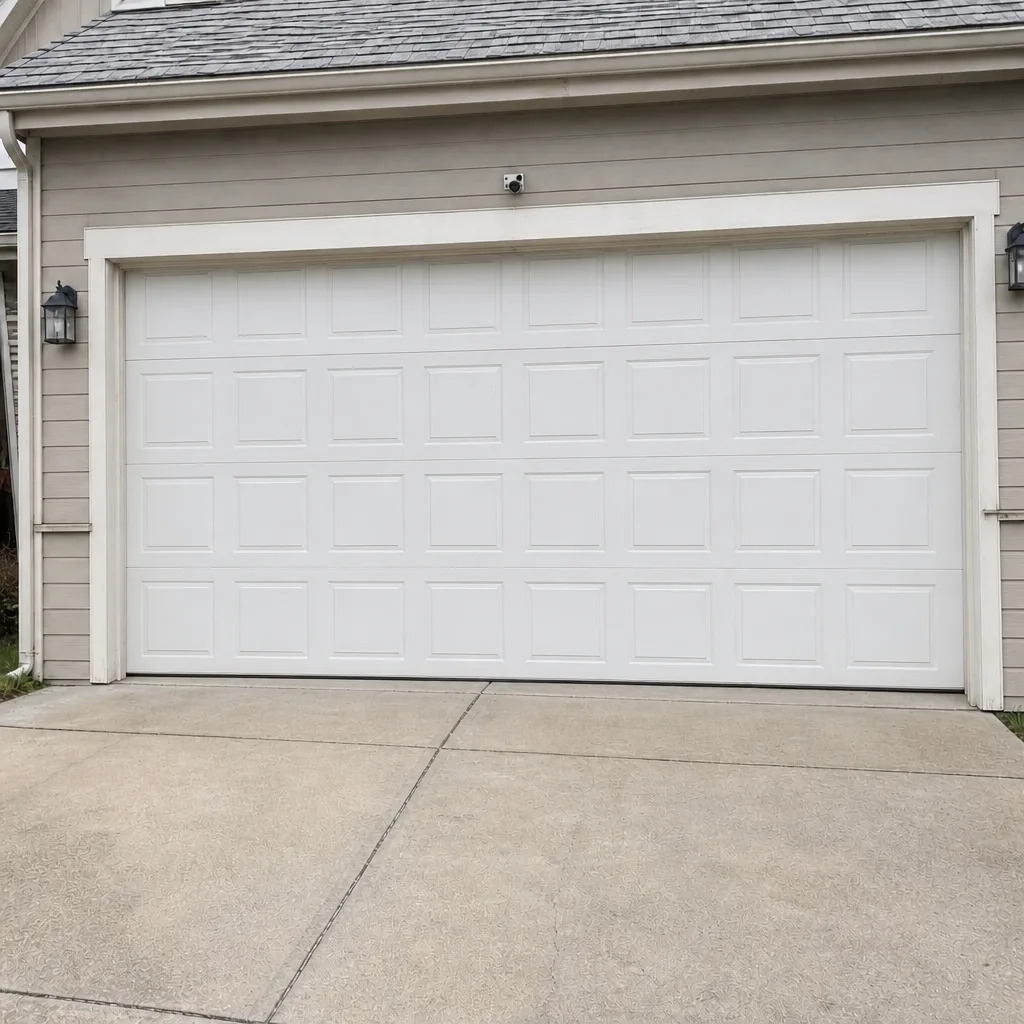
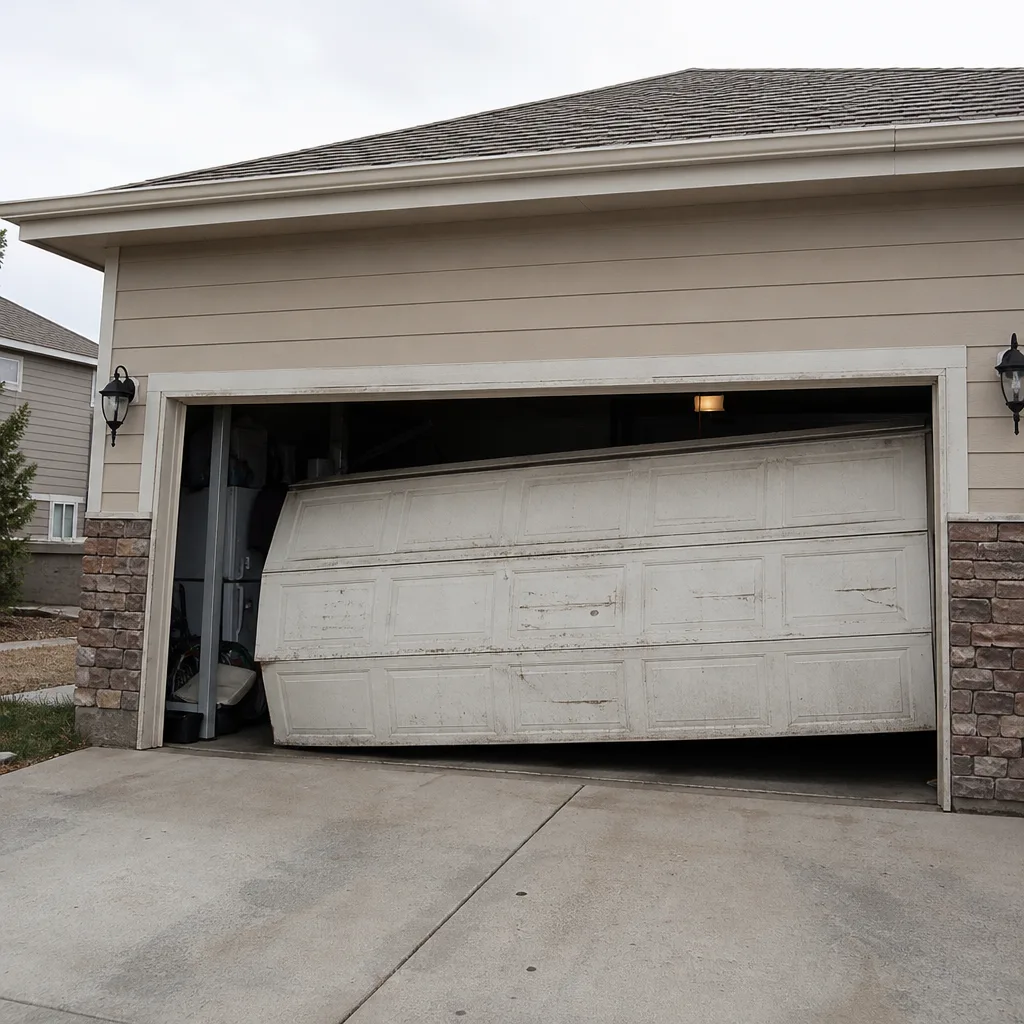
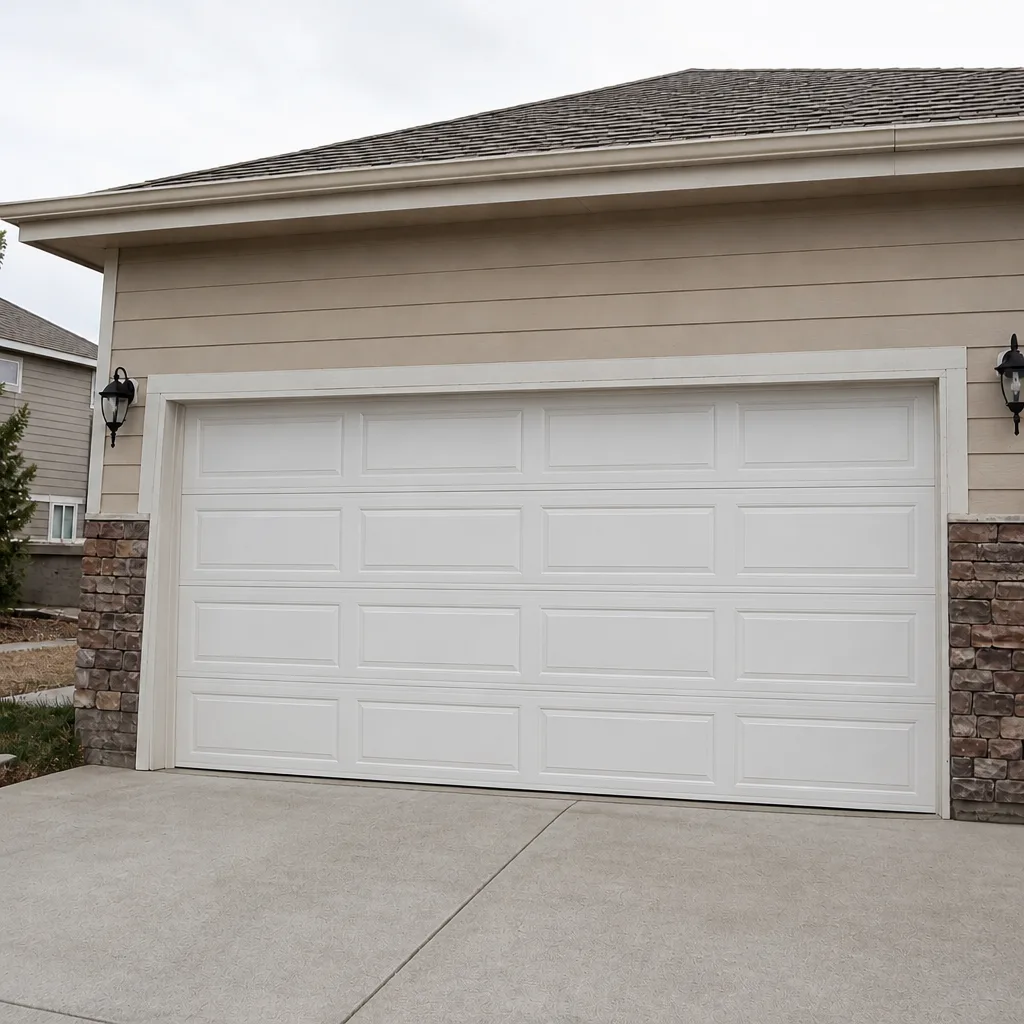
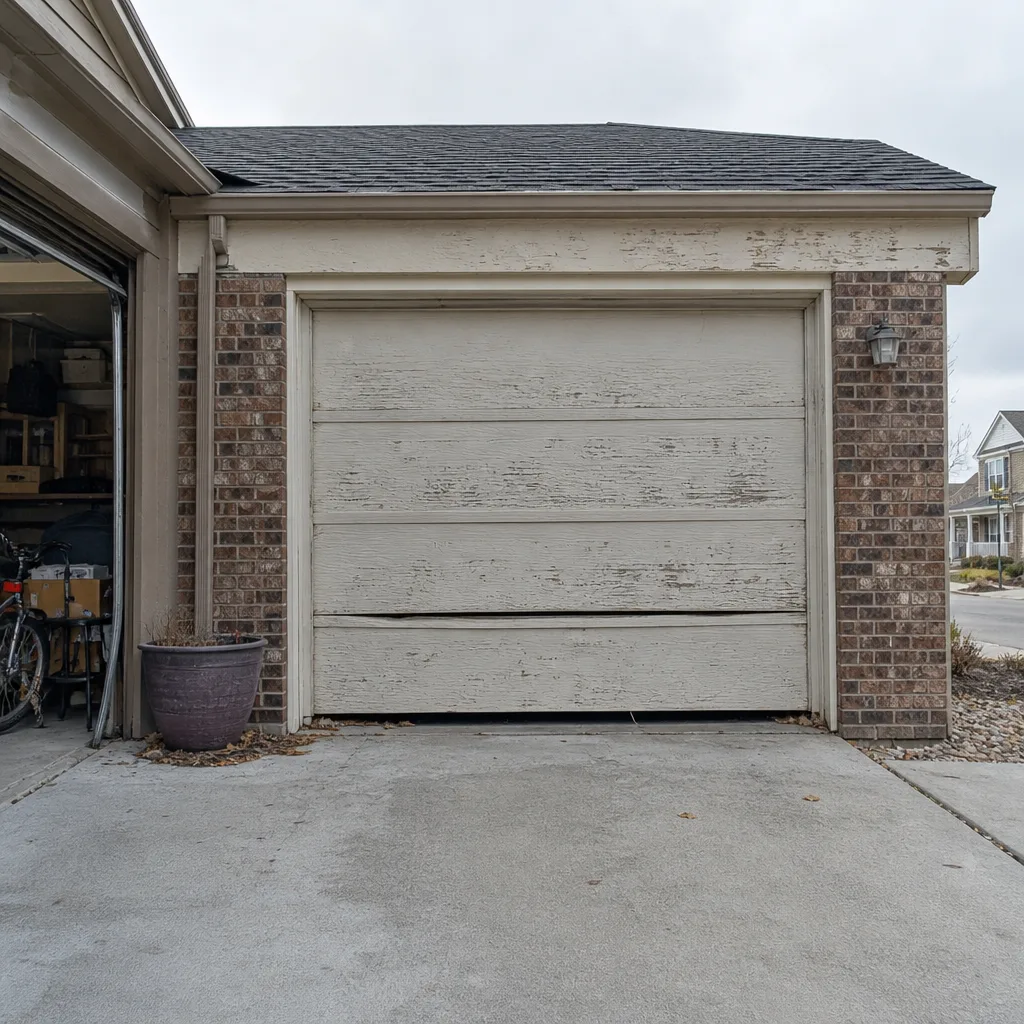
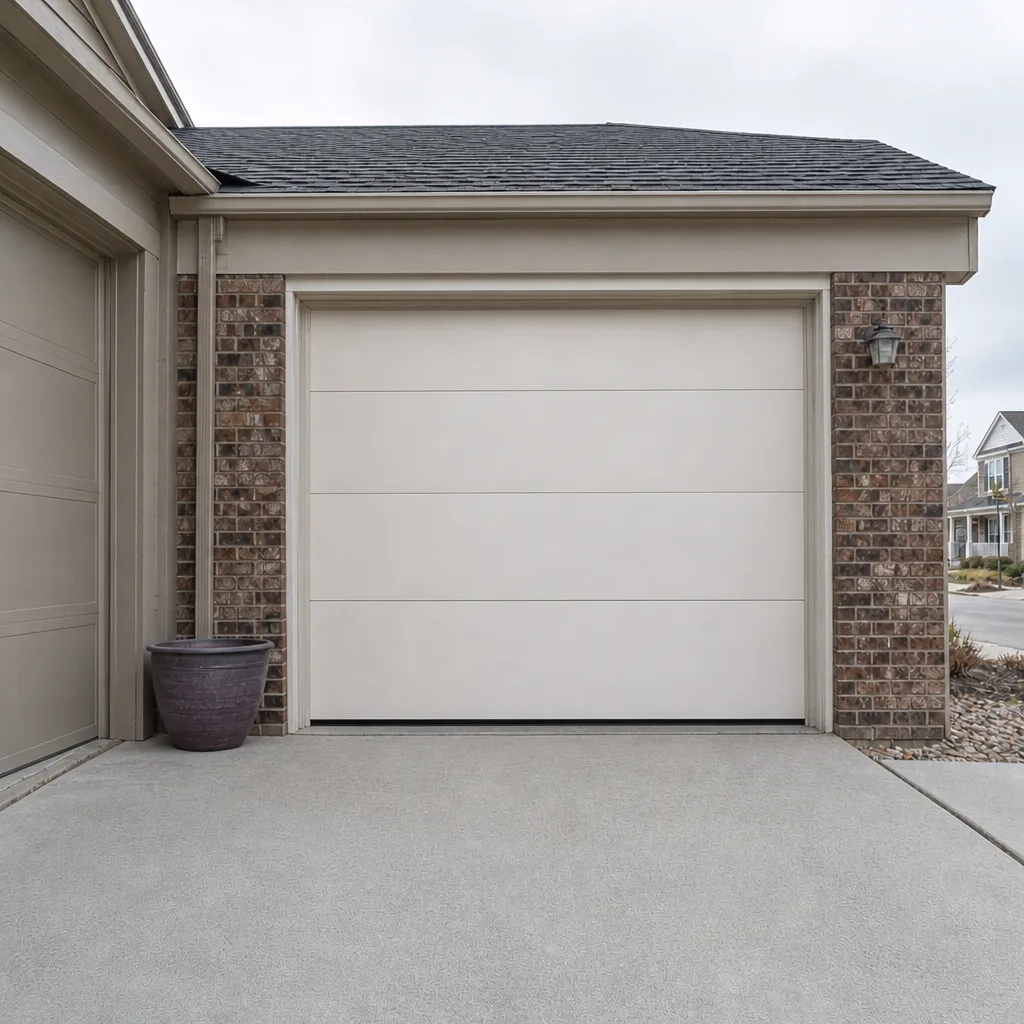
See the difference
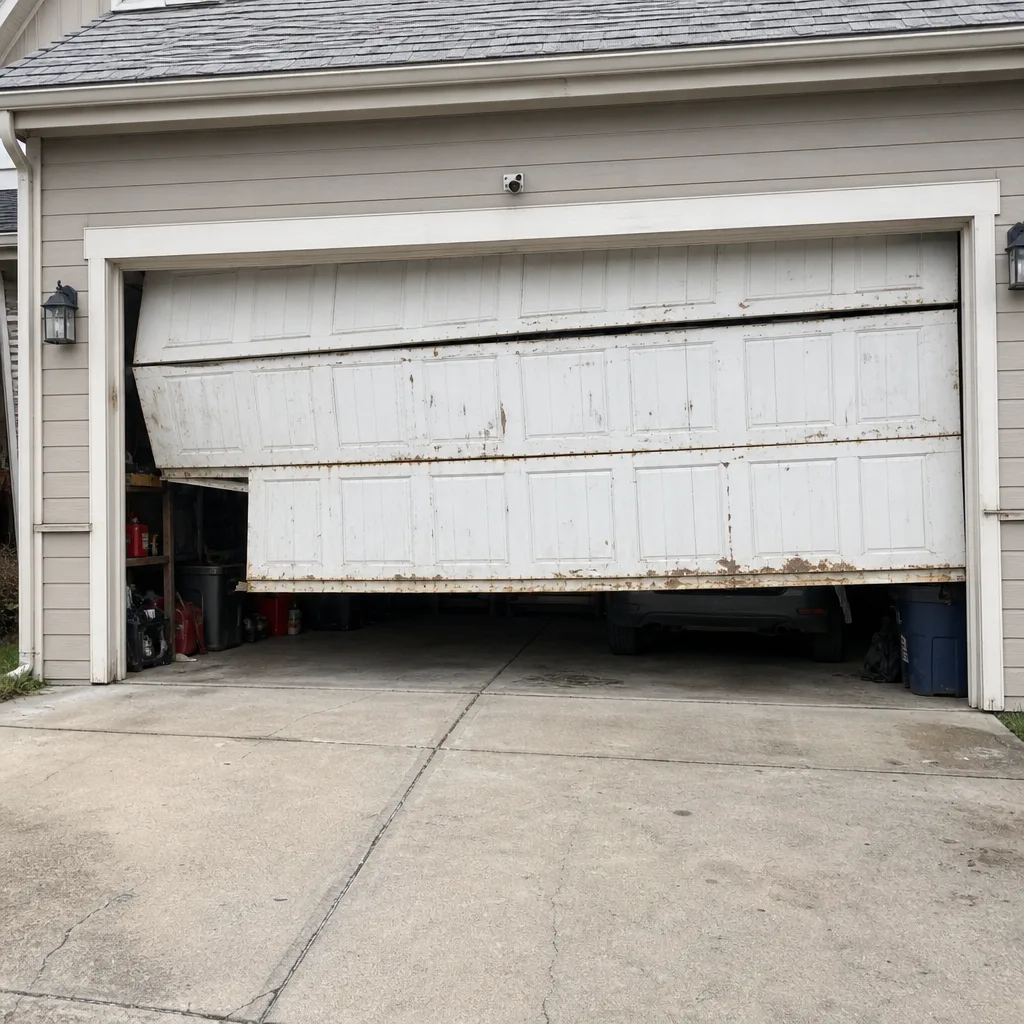 Before
 After
 Before
 After
 Before
 After
When to Call a Professional
Some jobs are safer and faster with a professional in the loop. If a door has a snapped spring, a frayed cable, or a door that won’t balance, stop and call. These parts are under high tension, and working on them without proper tools and training is genuinely risky. The same goes for an opener that won’t reverse – a failing safety system is the one thing you don’t want to leave to chance. For anything involving springs or electrical components, we recommend a trained technician, and we’ll say so plainly. Our technicians have up to 11 years of experience and know these systems from the inside.
Need help choosing or repairing a door in Murphy Creek? Garage Door Repair Murphy Creek offers free estimates in Murphy Creek – call (855) 658-4235.
Frequently Asked Questions
The best brand depends on your door and garage type, but Clopay and Amarr insulated steel doors are a strong fit for most Murphy Creek homes because they balance insulation, steel gauge, and parts availability. For openers, LiftMaster and Chamberlain dominate. The brand matters less than the four spec numbers: steel gauge, R-value, spring cycle rating, and wind load. Call (855) 658-4235 for a free estimate.
New garage door installation in Murphy Creek depends on the door type and size, so we quote each job with a free measure and a written price. Insulated steel doors generally sit in the mid-range, while full-view aluminum and premium insulated doors run higher. The written estimate sets the final price, and it’s agreed before any work starts. Call (855) 658-4235 to book a measure.
Insulation is sufficient when it matches your garage type: attached garages that share walls with living space benefit from R-9 to R-12 or higher, while detached garages often do fine with less. Murphy Creek’s temperature swings make insulation a comfort and energy factor. If you’re unsure, a technician can check your door’s specs and recommend the right level.
For a door that opens several times a day, a 20,000-cycle or higher spring rating is a sensible upgrade over the standard 10,000-cycle spring. Colorado’s temperature swings stress springs over time, and a higher rating means fewer replacements. We match spring ratings to your actual door weight, so the part you get is correct for your door.
No. Garage door springs are under high tension and can cause serious injury if they slip during removal or installation. This is one of the few jobs we actively recommend against for homeowners. Our technicians handle torsion and extension springs as a core specialty, so you don’t have to take that risk. Call (855) 658-4235.
We work on eight of the most widely installed garage door brands: LiftMaster, Chamberlain, Genie, Clopay, Amarr, Wayne Dalton, Craftsman, and Raynor. That covers both smart-home openers and legacy systems, plus the mid-to-premium door brands installed across Murphy Creek’s housing stock. If your brand is on that list, we can diagnose it by its own logic rather than guessing.
The Bottom Line
Garage door brand selection comes down to matching the components to your house, not chasing the most familiar name. Read the spec sheet for steel gauge, insulation R-value, spring cycle rating, and wind load rating. Match insulation to whether your garage is attached or detached. Skip the glass door for an attached Colorado garage unless you’ve planned for the winter performance. And check parts availability before you buy, because a door is a system that will eventually need parts. We work on your brand, from a snapped spring to a full new door, and our technicians have up to 11 years of experience across LiftMaster, Chamberlain, Genie, Clopay, Amarr, Wayne Dalton, Craftsman, and Raynor. For a free estimate, call (855) 658-4235.
For a free estimate on a repair, spring replacement, or new door in Murphy Creek, call (855) 658-4235. Our estimates are free, the price is quoted and agreed before any work starts, and we can work with your schedule to get your door back in service.
Written by the team at Garage Door Repair Murphy Creek.